Welcome to rascott.com
This is a
personal site that reflects my interests in news,
current affairs, aviation and travel.
email me:
robert@rascott.com
rascott.com
Home Page
Photo Albums
My photographs are now stored on Picasa.
Please use
this link to see my list of photo albums.
Some
Useful links:
Information:
World Time
Clock
Exchange Rates
Journalism:
ForeignPolicy
Nationsonline.org
Project Syndicate
Amnesty International
Reporters w/o borders
The Guardian
BBC World News
CNN Asia
Bangkok Post
Daylife.com - news
Gulf News
Arabian Business
World News
WSJ - Asia
SCMP
Good causes:
Sister
Joan - Bangkok
Regional Info:
BKK Magazine
HK Magazine
In
Singapore Magazine
TimeOut Dubai
Back in the UK:
Newton Ferrers
Bournville News
And for fun:
EarthCam
History
BBC Archive
National Media
Museum
The British Library
Imperial War Museum
There are many other links on my AOB blog page.
|
Wings over Florida... |
||
|
Links Cirrus Aviation Students Group:
Cirrus
Aviation Sarasota
Cirrus Aviation - Super Decathlon (YouTube)
Down the road in Venice:
General Aviation sites My list of (14 so far) visited Florida airfields (AOPA)
Sarasota KSRQ Skycatcher 162
Regulations Others Abandoned and little known airports of Florida
Florida World War II Army Airfields Executive Flyers - Hanscom Field - Bedford, MA Hanscom Field (BED) |
My last day of flying - at least for now. So I treated myself to a long trip in the Skycatcher - flying to lovely, remote Cedar Key and then to Crystal River and back to Sarasota. I was cross when I got back to KSRQ. I had a good day; the flying was easy; ATC was good; Cedar Key as pretty as can be. It was a bit windy coming back - but from 120 so limited crosswind. Though it needs a little extra power into the wind to keep the airspeed decent. But I walked into Cirrus and the first thing the Chief Pilot says was "you did not call us when you left Cedar Key." Well guess what; I am a renter now and not a student. I had checked with the student co-ordinator if I needed to call in. She said no. Though I did send a picture after arriving in Cedar Key. How about asking how was my last day? Did you have fun; How was Cedar Key? There are times when the Chief Pilot takes all the fun out of flying. Cedar Key took about 90 minutes out of Sarasota, It would have been quicker but I stayed on the shoreline rather than take a more direct route over water. So I talked to Sarasota ATC; then Tampa; then Jacksonville and then to the KCDK unicom. Cedar Key is a little, remote, fishing and tourist community on the coastline - that has its own airfield. There is just a short runway (5/23) - no taxiways - and a few tiedowns. And after you talk to KCDK traffic a lady calls on the unicom and asks if you need a ride into the village. Judy's car is old, older than old! She drives very slowly - as she has a lot to talk about. But she drops you at a restaurant and picks you up at any time you like! Lunch was at Steamers with a nice view of the gulf and friendly (and pretty) service. If they ever filmed a Florida version of Northern Exposure they would film it in Cedar Key. It is a very laid back place that seems to fit in a previous century.
It is an easy village to walk around - the restaurants are on the waterfront and the commercial buildings - bank and lawyers and a couple of artists shops - just one block inland. So I left around 2.30pm and flew into Crystal River. Alex used to fly here when he was doing his PPL training in Apopka. I think he also did his check ride here. There is a long, narrow runway - 9/27 and 5,000 feet and a shorter grass strip that runs North to South. And yes there is a Dairy Queen at the top end of 18.
4 November 2015 Keith and I took N2272Charlie out for a ride at lunchtime. My introduction to the Cessna 172 and to the bigger and more complicated Garmin G1000 glass cockpit. I tried to set it up as a scenario lesson with a flight to Punta Gorda - some lunch - then do the weight and balance to fly a passenger to Arcadia - a few touch and goes there and back to Sarasota, So we told Ground that we were off to Punta Gorda - only for Keith to say after take off that the restaurant would be closed and that we should go to Albert Whitted instead. Tampa gave us clearance through class bravo - then took it back so we had to stay at 1,000 feet passed the sunshine bridge. And on into Albert Whitted and runway 7. A bit fast on final but not too bad. And then surprise - as we turned off the runway with the power at idle the engine stalled. We were not completely clear of the taxiway. So we got out and pushed her onto bravo. Keith tried to hot start the engine. No success. So we were towed to the ramp! And we went for lunch - good fish tacos - while John and Will flew up from SRQ in one of the other 172s. They probably did not need to but it was a quite day in the Dolphin hangars.
The good news is that the engine stalled on the ground rather than in the air! In many ways it was a good lesson - managing the unexpected, 3 November 2015 Today was a stay on the ground day with a long drive to Orlando and back to drop off Tai in time for her flight 220 to Dubai. Her captain on the flight had done his PPL in Daytona Beach - so that was a fun chat. Such a treat that Tai was there for my PPL and that we were able to have short flight together...and that I did not mess up the landing - actually it was one of my best of the week!
2 November 2015 I am a qualified pilot. That was quite a day! The plan was that I would fly to Venice and we would start the test at about 11.30am - that was the plan. Plans change. Toby's early morning must have cancelled so I get a message at 7.30 am asking if we can start at 9am at Sarasota. Toby had asked that I plan a flight from Venice to Punta Gorda to Melbourne - the one in Florida - and back to Venice; departing Venice at midnight zulu; 7.00pm local. This changes things - the whole flight is a night flight. The legal fuel reserve is now 45 minutes. The waypoints that you could see en route in day are no longer visible. But airport beacons are. The restricted space east of Sebring is still restricted until midnight. Would I also do this flight on my own at this stage of my flying career. Honestly - no. Though legal. I would only fly this with another qualified private pilot sitting next to me. And I told Toby that. Because for the oral exam the flight that you plan is solo; not dual. It is me, flying as a private pilot. I have my flight route planned. But last night's weather was not reliable and I need to still check the weather and phone the briefer for a forecast and details. Tai helped with breakfast while I did my homework. Stressed. Oh yes. Met with Toby at Dolphin aviation. Keith had to sign off on some of the FAA documents as well. Then it was up the stairs to the conference room. And I almost enjoyed it. Toby does the oral exam well. We talked a little to break the ice. And then he talked around scenarios rather than specific questions - mostly. There are some direct questions. But it did make it more of a conversation. Where if we both wanted we could go off at a tangent - and I could ask questions in return as well. Really just fleshing out some of the subjects that we talked about. It was more like an interview than a test. Looking back on it the time passed quickly and at no stage did I feel foolish or that I was out of my depth. So - onwards. Time to go and fly. Now this got interesting. Downstairs with Keith and some of the Cirrus staff Toby asks me have you ever been to Tamp International No I reply, DO you want to he asks. He has to go there anyway for a short meet and greet. He could fly there later or I can take him there. So lets go to Tampa. Why is this interesting? Tampa is a class B airfield like Miami or Orlando. I have never flown to a class B airfield. So I get a weather check. A print out of all the airfield data. There is nearly a page of radio frequencies! And a map to help me taxi around this huge airfield. And off we go. A soft field take off - don't stop and 10degrees of flap. We dodged some low cloud. I asked for a lower altitude. Good call. Toby wanted to do some of eth compulsory maneuvers before we get to Tampa. So we do some slow flight. Not bad. A power-off stall and some foggle (mock instrument) time. My problem flying there was that it was windy and I was playing too much with the power to keep altitude. Just set your power and then use your pitch to control altitude. Much less work. Tampa changed our frequency a few times; but that was OK. Just do as you are told. And we flew just to the east of Tampa for a 19L landing. Toby wanted a soft landing. It really was not a good landing. We were landing into quite a strong head/cross wind and I should have left more power in. Instead because the Skycatcher is so light we got a bit of a floater. But we landed! A short taxi to the FBO at Landmark Aviation. Toby jumped out to do his thing. I got the FBO guys to add some fuel. As I did not know where we were going next or for how long. Common sense but probably wise. And they guys were good - I was still upset at my landing and they were very reassuring - strong crosswind and a hug class b airfield...allowance must be made they reassured me. The pictures are of TPA - it is a big airfield!
Then for take off - rather than taxi the better part of two miles back down Echo to the end of Runway 19 Toby says - ask for a Sierra intersection departure and we can do our short field take off from there. I called Tampa clearance - they just thought I was having a senior moment. I confirmed the request. You are sure Clearance asked - you only have 1,800 feet. We are a Skycatcher - with this headwind we will be away in 600 feet. Advised to be over McGill air force base no lower than 2,100 feet. This is strict. Off we went. I flew better now. Less playing with power. We did some steep turns - not bad at all. Then we did an engine failure - golf course available. Good. Then some turns around a point - a water tower in this case. Climbed back to altitude and headed back to Sarasota. A short field landing at Sarasota - OK - and then stayed in the pattern for a go-around (not my best - power first before anything else) and then two more landings - which were so much more fun - because they were both basically short field landings - one with 25deg flaps and one with full flaps. But the point here is that we did not fly the standard pattern. We had been given clearance to land so get the plane on the ground says Toby. Makes sense to me. Parked the plane. Toby says congratulations and that he will see me inside and give me my temporary certificate. I just sit for a while and digest all I have learned and how much more I still have to learn. And as soon as I had my certificate I could legally fly a passenger. So back to the hotel. A quick shower and a change of shirt. Back to the airfield with Tai and we simply flew down the coast towards Venice - and then about 3 miles north of Venice we turned back North and headed back to Sarasota along the coastline for a runway 22 arrival and another short approach. Tai did not scream, panic or threaten to jump out and it was actually a very nice flight.
Toby was very generous with some of his
advice - he is not allow to teach or train me but we discussed a number of
ways that I could or indeed should do to fly that are different from how
the flying schools teach. Toby also made some interesting comments at the students monthly social later in the evening. He (I am sure he is right) thinks that all training should be scenario based. It should not be simply off we go to the east practice area to do some steep turns and a stall. Every flight should have a realistic plan and a purpose. Power on stalls should be done while in a bank/turn - they should never be done in straight, level flight, as that is unlikely to ever be the case. Lots of ideas - lots to think about - all good. Toby was generous in his comments. But it feels good that all the hard work - and at times it was hard - were worthwhile. On the oral Toby wrote - "great oral - no issues - very knowledgeable applicant." It was a memorable day. Stressful at first. A truly genuine day of learning. And capped of by a quick flight with Tai who has encouraged and supported me through all of this and who understands just how much it means to me.
Some pictures from our Venice
excursion. 1 November 2015 Tai is here. She landed at midday in Orlando after a 15hr and 32 minute flight from Dubai. By then I had already taken 3032R out to Wachuala for a few landings. Easy flight. And quiet in Wachuala. And my landings were better today. Flying with Dave is a bit intimidating. In the skycatcher I can barely move the flaps without putting a hand on his thigh - and the mixture control is adjacent to Dave's knee. I am not small I know - but the two of us together does not leave a lot of space. And he is writing notes without saying much... In fairness to Dave - despite the fact that I was irritable, near angry, after yesterday's flight, it did set me up well for Monday; as I was to discover. Drove to Orlando and picked Tai up. 5 hour round trip in the car. Long day. We talked about yesterday's flight. I hit the pillow hard a few times for stress relief and things were better. But I also had to start planning tomorrow's flight for Toby Blantford - the FAA's designated pilot examiner. No pictures today - sorry - it was only Wachuala! 31 October 2015 I am beat after today. This was the final school progress check before my checkride. And it was tough and it was long. I must have spent almost two hours preparing for a flight that I knew would never happen. Dave Armbrust is the school's chief pilot and he does all the final check rides. He had asked me to plan Daytona Beach. North and East of Sarasota - with class b airspace in both Tampa and Orlando. So I planned it - decided that I did not like the 30 minutes plus taxi fuel that we would have left at Daytona, so I planned it again - this time with an Apopka refueling stop. I even got a long and very friendly briefing from flight services. Which was kind of sad as I knew we were wasting their time. The planning is part of the three hour oral mock test. It is longer than it probably needs to be. But comprehensive and there were some things that would stick in my head afterwards. And he did focus on the special emphasis areas. Useful. Oddly I don't think Keith had ever mentioned this. But the FAA has asked examiners to focus on certain SEAs and although Keith and I have talked about all of them we have never wrapped them up into an area that needs special attention. The oral was OK. I know there are some areas that are stronger than others. So we then go to fly. Did I mention that Dave is big. And the Skycatcher is not. Cozy would be generous. Before I have left class c airspace Dave has pulled the gps. Which is a bit rough. I can fly to Apopka with my maps - but thanks to ATC I have been cleared into class b airspace rather than my planned route on the sectional map via the drag strip and Duette to Bartow and on to Apopka. So Dave decided that he wanted a diversion to Wachuala. I simply asked ATC for a heading. Why the change of plan asked ATC? My flight instructor is having some Halloween fun I replied! So off to Wachuala. I have enjoyed landing at Wachuala in the past but not today. I aborted my first landing; my short field landing was longer than a long landing and my soft field landing could have left a dent in the runway. I don't know why - just much harder today than it should have been. But my actual flying and my ground reference maneuvers were fine. My stalls were controlled. My steep turns good. Turns around a point were tidy. Radio was fine. Back into Sarasota; straight into the sun for a 22 landing. So Dave says - not unreasonably - you have a bit of work to do and maybe should practice those landings. But we completed the paperwork and filed for my final exam/checkride which will be on Monday. 30 October 2015
Two flights today. With Keith down to
Venice for some untowered airport practice and touch and goes. It was
quite busy down at Venice - made a little more hectic by the closure for
the day of one of their two runways. Departing Sarasota for the East Practice Area after a runway 32 departure.
29 October 2015
The long wait for the long-awaited and
much anticipated long solo flight is now over. At least 150 miles are
required with three full stops at three different airfields. I flew Sarasota to Fort Myers to Sebring and back to Sarasota - each leg is about 45 minutes - 188 miles planned in total. The final leg took a little longer as I flew home into the headwind.
No Keith - just me. And Paddington!
But it is done. I thought I flew it
decently well. Made good decisions about weather. Found my landmarks and
my airfields. Landed on the right runway. All good things!
The weirdest thing is that if o one talks to you for a while you start to
feel ignored. I left Sebring - called Miami centre to tell them what I was
doing - and did not hear from them for the next 50 miles - some 35 minutes
before they handed me over to Tampa who told me to expect runway 32 and
quickly passed my on for a straight on to Sarasota.
After some poor weather in the morning
the skies cleared to the north so that Keith and I could fly a cross
country to Brooksville (KBKV) to the north of Tampa Bay. We flew back on the west side of Tampa and down the coastline. The pictures below give you a clue on how nice a day it was.
This was a fun flight - I felt in
control; made a decent approach to Bartow and a good landing and loved my
approach onto 22 as we came back to Sarasota - the perfect stable
approach. Mind you - the wind was very gentle.
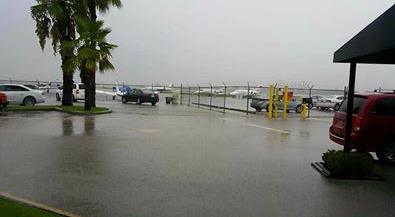
27 October 2015 I have become a weather victim. Rain and wind today. No cross country flight. And our attempt at getting up in the air to fly some touch and goes at Sarasota ended very abruptly as the weather changed. Firstly a couple of pictures from the ramp - the coastguard last night and the ramp in the rain this afternoon.
So no chance of cross country today. But there looked to be an afternoon window for some touch and goes at KSRQ. The ceiling was 7,000 feet - some light rain and the wind from 150 at about 10 knots. We took off - and by 400 feet we were almost flying blind. A combination of misty cloud and the build up of condensation inside the airplane. Turning downwind at 1,000 feet the tower said that they could not see us. So no touch and goes today - we were straight in for a full stop landing. We were basically flying IFR in an airplane that is not certified for IFR flight. Keith flew the final landing as he had slightly less condensation on his side of the airplane. And as we were touching down there was some lively wind sheer; a downdraught of air. And that was today's flight. I think I would have landed it OK if I had been on my own - but it was one of those days when you are happy that you are flying with an experienced pilot. 26 October 2015 (day 57 after a 5 week break!) Back in Sarasota - and I brought the wind with me. Which may be a factor through the rest of the week.
It was strange getting back into
32Romeo. In part just because you have to remember the order in which you
do everything - particularly the start-up which is a bit quirky on 32R.
And I kept thinking - what have I forgotten to do..... Tampa approach was busy. It took three calls to get a squawk code to enter class C airspace. And then a long approach as ATC was sequencing flights into Sarasota. And a sporty crosswind landing with winds gusting to 23 knots from 110.
20 September 2015 Day 56 Finally - time to go home: but back in Sarasota on 26 October to (hopefully) finish my PPL. Seems a shame to leave when I am so nearly finished but prior commitments are important. And so is seeing Tai.
Over 14 hours to Dubai....
19 September 2015 Day 55 And finally - Saturday was my last chance on this trip to do my long cross country. The Sarasota morning weather was OK. But Punta Gorda had a 100 foot ceiling which improved to variable between 200 and 700; but still far from the 5,000 that I need. And Sebring was little better. By midday there were thunderstorms forecast for Sebring and the weather briefer was very clear that he did not recommend a vfr flight into Sebring. So that is it for now. Four days of weather that has stopped any form of cross country flight. Very frustrating. 18 September 2015 Day 54 Another no fly day. Have lost momentum this week. Cannot get my last CTA flight in - cannot do my progress check (mock) with Dave and cannot do my check ride for my PPL. Nothing to study for this week. Evening visits to the mall instead of studying. 17 September 2015 Day 53 Another no fly day. Heavy rain. Grim. Bored. 16 September 2015 Day 52 Miserable weather most of the day - the morning was especially bad. Unless you are an IFR pilot and then you could have had a lot of fun. So I did nothing all day. Which means that there is not a lot to write about. Interesting story this evening about a Qatar 773 accident at Miami where they took off from the T1 intersection on runway 09 with just 2,600metres of runway, rather than the full 3,900 metres and took out the approach lights on runway 27. They continued to Doha apparently not communicating any sort of incident to ATC. The FAA has classified the damage to the belly of the airplane as substantial and that this is an accident - more than US$50,000 of damage. Keith has drilled into me the perils of taxiing at unfamiliar airports in the dark....though in this case it does appear that QR knew they were using the T1 intersection and therefore the shortened runway length. The NTSB report will be interesting. 15 September 2015 Day 51 The weather is not co-operating and there was no chance of a long cross-country today. I have two elements of my CTA to do - some foggle work - simulated instruments - and my long cross country. We just had time today to bash out a quick flight down to Arcadia which allowed me over an hour of instrument time flying there and back. And time for just one landing - a soft field though flown a bit too quickly - at Arcadia and then back to Sarasota before the weather changed. My approach to Arcadia was good - a nice steady decent to enter the pattern on a left downwind for runway 06 at 900 feet. At Sarasota I was down to 500 feet and ready to turn for a short final before Keith said take off the foggles. There was something of a crosswind and I felt I needed more time to get comfortable with it. We were ok. Just not as good as it should be. Which prompted the thought that I need more crosswind landing practice. And with the wind from 090 at 10 knots the afternoon looked like it might be ideal to stay at Sarasota and do some afternoon touch and goes. As we got clearance from Sarasota ground ATC told us that the winds were now from 100 at 13knots gusting to 18. At which point it was time to change our plan and stay on the ground. This is the weather that was arriving.
14 September 2015 Day 50 It was actually cool this morning - no humidity and almost cool. For the first time in two months. Time for another cross-country - this one had to be to an airport that I had not been to before - in this case Winter Haven Gilbert's. Easy flight - head North East for about 52 minutes - just had to come a bit low returning into KSRQ as the ceiling dropped. KGIF was very quiet - the restaurant is closed on Mondays. But I did taxi over to have a look at the seaplane base - Jack Brown has a seaplane flying school there. If you have your PPL it takes 5hrs flying and 5 hours ground school - and a check ride - for a seaplane endorsement!
Winter Haven's official web site is here. During World War II, Gilbert Field was an auxiliary airfield for the Lakeland (later Lodwick) School of Aeronautics at the Lakeland Lodwick Field airport. The school provided basic pilot training to United States Army Air Forces and British Royal Air Force flying cadets from the airfield under contract. Flight training was performed until the end of the war. 12/13 September 2015 Day 48 and 49 Not a great weekend. I lost a chunk of a tooth on Friday evening and by Saturday morning I was wakng up with a headache, chills and nausea. It had not been a good night. So I basically did nothing on Saturday and did little more than that on Sunday. I did spend Sunday cleaning the house and doing laundry - and a bit of studying. Was beginning to feel homesick - like I just want this to be done now. Too much time away. 11 September 2015 Day 47 The 14th anniversary of 9/11 - and of my first attempt at learning to fly. It was the strangest of days and it remains so vivid in my memory. On that day Air Force One was actually at Sarasota where President Bush was reading at a local primary school. It is as though I have come full circle. Anyway - today I did my first solo cross-country - just a short 66 nautical mile flight across to Sebring - where I have been to before. And a landing on runway 1 at Sebring Regional. I was too late for the restaurant. On the return I traveled south west for a landing at Arcadia - which for some reason is much easier to find from the east than the west...and then onto Sarasota. A bit for rain dodging and a 14 mile clearance to land on 32. As you can see it was very quiet at Sebring! Flying on your own is really not as much fun....no one to talk to - no one to bounce ideas off and no one to watch over you if you do something silly - so I guess it is best to avoid anything silly and to talk to yourself...but there are times when you are very alone - and realise that in an incident you are the pilot in charge. Just a reminder of why this matters was a news story this morning.
Plane makes emergency landing on U.S.
301 -
Sarasota Herald-Tribune
10 September 2015 Day 46 (really!) Two milestones today - I passed my FAA PPL written test with 83%. More than I expected. So that was good news. 70% is a pass. And far better than that - a night flight from KSRQ to KFMY - Page Field, Fort Myers. Now I really understand why people love to fly. The night air was wonderfully still, Visibility great. We could see the airport beacons from 20 plus miles away. We talked much of the flight - but there were times when neither of us said anything - just the drone of the engine in the background to contain our thoughts. It really was that peaceful We left about 815pm and headed south over Venice and Punta Gorda and into Page Field. One of the bridges gives a great line for a right base to runway 23. Page Field is another old WW2 base and the FBO is a great example of art deco architecture and a tribute to the airmen that trained there. There is a coffee shop and pilots rest area. Also a decent store. The flight back was livened up by switching on the Venice runway lights - from 3,000 feet. Just click seven times on the CTAF frequency. SRQ gave us clearance to land on 32 while ten miles out! And just to add to the fun Keith decided that the landing should be without landing lights - which honestly on the Skycatcher are not a whole lot of use anyway. Here we are coming into 32 at KSRQ.
Such a good night. And here are a few pictures from Page Field.
9 September 2015 Day 45 Cross-country check ride day with Dave. And it went well; although I think I still make too many mistakes. But they are mistakes that I can learn from.
We filed a flight plan for Vero Beach; although it was unlikely that we would get there. Before we reached Arcadia my gps had "failed." So the plan was to carry on using pilotage and map-reading skills to get me to Vero Beach. But then my passenger was sick and wanted to land as soon as possible. Which meant Arcadia. See the pictures above. But Arcadia currently has no fuel. It is rebuilding its FBO. It is now owned by Eagle Vistas and managed by Randy and Beverly Berry. We dropped in to say hello. We were given coffee and cinnamon cake and some water. The FBO is being refurnished and they will do a nice job; there will be a pilots' lounge and hopefully a cafe as well. Eagle Vistas are agricultural pilot and tailwind training specialists and also provide commercial services such as crop spraying, seeding and dusting. You can find out more about them at www.eaglevistas.com Now we could have gotten back to Sarasota with our fuel - but no doubt there would have been another diversion. So instead we went down to Punta Gorda for fule and lunch. Arcadia to Punta Gorda is just 15 minutes - a nice flight into a towered airport - class D. Over the I-75 bridge and onto runway 15. There were five Allegiant MD80s parked at Punta Gorda. There is a decent restaurant there for salads, burgers and sandwiches. But no real view of the KPGD apron.
This is another old WW2 airfield:
Planning by government officials for Punta Gorda Army Air Field began in
1941 for a combat pilot training field, and by 1944, reached its peak in
housing 1,000 persons, including two squadrons of student pilots. The Airport Authority owns over 1800 acres. The airfield consists of three runways with the longest at 7,195 feet in length. In 2009 taxiways “A” and “C” were resurfaced and widened to 60 feet. The entire main ramp which consisted of pavement from WWII has been replaced.
Allegiant Air has some 28 destination
cities from Punta Gorda FL - it is an exotic collection of cities. Some late evening fun with a solo trip to the East Practice Area and then back to Sarasota for touch and goes on Runway 22.
7 September 2015 Day 43 Poor weather day. The stage 7 check ride is the corss country check-ride and with storms over most of southern florida we gave up any idea of flying today. We did do the oral part of the check rise. That is three hours of discussion and questions/answers. It went well. It was a good discussion. Learning is good. Then in the evening we had the first meeting of Cirrus students - about 15 people there on a public holiday - labour day - which was a pretty decent turnout. The facebook page for Cirrus Students is: https://www.facebook.com/groups/cirrusaviationstudents/?ref=bookmarks
6 September 2015 Day 42 Sunday - rest day. Though even that involved spending the afternoon at the Dolphin FBO doing some studying. There was a far better chance of me studying there than at home. 5 September 2015 Day 41 A day off. But even my day off involved airplanes. I decided to head to the Florida Air Museum at Lakeland Linder Regional Airport - north east of Sarasota. I also decided to go cross country to see the parts of Central Florida that I have been flying over. Even in my little Skycatcher it is clearly quicker to fly to these places. I followed Fruitville Road - very sleepy after it passes Interstate 75. Then up to Myakka City and on to Ona. A left turn to Wauchula and on state road 17 to Fort Meade and Bartow and a left to Mulberry and Medulla and to Lakeland Linder regional airport.
The City of Lakeland has a long
connection to the military and aviation. Lakeland Linder Regional Airport
is also the home of the Sun 'n Fun Fly-In, an annual celebration of
aviation and aircraft that takes place every spring; sort of Oshkosh for
Florida!
The local government has archived a collection of documents to recall
Lakeland's military and aviation history. The most significant and
comprehensive of these collections is the Albert Lodwick Papers, RG2700.
Lodwick was a long time aviation executive who bought a small Nebraska
flight training school and moved its operations to Lakeland in 1940. He
leased the Lakeland Municipal Airport (now Tiger Town) and established the
Lakeland (later Lodwick) School of Aeronautics to train British and
American flyers for service in World War II. The Lodwick Papers document
the activities of the school, as well as Lodwick's previous and subsequent
careers in the aviation industry, including his close relationship with
Howard Hughes in the late 1930's. A few pictures from my day out:
Some links: As for the museum - meh. Very disappointing. Musty. There is so much aviation history in Florida - the wars; the airlines (like Miami based Eastern). But the museum is short on quantity and quality. And while on the subject of Florida's old gulf coastal airports: A little about Sarasota Airport from the airport's own website:
The airport’s beginnings date back to
early 1939 when government and business leaders from Sarasota and Manatee
counties agreed to construct an airport together, designed to serve the
aviation needs of the two-county area. A 620-acre site was selected on the
Sarasota-Manatee County line through a Federal WPA-CCA Grant. In May 1941a
resolution established the name of the new facility as the Sarasota
Bradenton Airport. Aviation facilities were completed by early 1942 at a
cost of nearly one million dollars. The Authority leased the land to the
Army Air Corps later in 1942 as a fighter pilot training base during World
War II. During the war, the federal government spent several million
dollars in improvements at Sarasota Bradenton Airport and added another
250 acres to airport land. By late 1947, transfer of land and facilities
back to the Airport Authority was completed. SRQ is noteworthy as Air Force One was here on September 11, 2001. George W. Bush was at the Emma E. Booker Elementary School in Sarasota when Andrew Card first informed him of the September 11, 2001 attacks at 9:05 AM. Bush returned to the airport. It taxied at 9:54 AM and lifted off at 9:55 AM flying first to Barksdale Air Force Base in Louisiana 4 September 2015 Day 40 As always an average day is followed by a better one. Two solo flights today. The first with nine landings in the pattern and the second a solo ride to the east practice area for some s turns, turns around a point and steep turns. One challenging moment as I flew in the pattern; I had just changed from right to left patterns for runway 32. ATC asked for an extended downwind and said they may need a 360. Then asked or a 270 to base; then changed their mind and said simply turn base behind the Eclipse jet. Then ATC asked if I had already turned base - yes I had. Could I do a 360 and return to the downwind? No problem. "Great job" said Sarasota Tower. Little things that make you realise that you might actually have some clue what you are doing! This was reinforced by a couple of other incidents. A plane that decided that 04/22 was taxiway D. It really is an easy mistake to make at KSRQ. ATC were forgiving. But that is why there is a hotspot around the intersection on the chart. Then listening to the Skyhawk in front of me heading into Sarasota - who was in terrible confusion with Tampa approch at a time when they were really busy. So coming back from the practice zone I was asked to fly 180 and climb to 3,000 feet. No problem. Then turn to 260; and then to 320 and descend at my discretion. ATC handled that really well - turned me to runway 32, gave me enough altitude for a slow and gentle descent and got the spacing they wanted. Clever stuff. For a very long final - and a bit of a floater of a landing! But then you realise that you can also make the silliest of mistakes. I left the master switch turned on after my flight on 32 Romeo. That drained the battery. I am not the first to do it. And I confessed immediately. And I swear I had read the checklist. I just had not made sure that the switch was off. There is always something! Some pictures from today.
3 September 2015 Day 39 A frustrating day with no flying. We were supposed to do our night cross country to Page Field in Fort Myers tonight - but there were thunderstorms around Fort Myers and the WX Brief meteorologist was very discouraging - suggesting that the storms were about 3 miles east of Fort Myers and moving West. So we gave up the idea of flying there. During the day a combination of crosswinds and low clouds made it too difficult for me to do any solo work. Just one of those frustrating days. And I was listening to the Chief Pilot talking with another student who is about a week ahead of me and all I could think of was how little I know and how incapable I felt. 2 September 2015 Day 38
At 9.45pm (01.45Z) Sarasota Tower said
"Great work in the pattern tonight" as we made out final stop to taxi back
to Dolphin. We simply stayed in the pattern to fly stop-and-goes. And ATC were really good at accommodating us and making the spacing work. We started on runway 32, moved to 22 for a couple of landings and then back to 32. 32 is much easier with approach lighting. But before my first landing I had flown an extended upwind and a 360 turn for spacing on the downwind. and only my first night landing was the best of the evening. If you are flying nights - buy a torch! So why only 8 out of 10. Too many of my landings were to the left of the centre line.....though if the centre line was re-painted it would help! What center line is a reasonable question to ask. And I had a bad habit tonight of cutting the corner from base to final rather than flying the rectangular pattern, Night flying is very very different. In a day of firsts I also had me one and only flight in the school's 1977 Bellanca Super Decathlon - a two-seat light cabin aircraft, powered by a 134-kW (180-hp) Lycoming piston engine, fitted with a constant-speed propeller.
Picture:CirrusAviation My log book entry says - Dutch rolls; stalls; spins, slips, aileron rolls. loops. Add to that knife edges - flying at 90deg to the ground - and you know what a wild day I have had. I did not throw up. But I did feel queasy by the end. And to be honest I would never descirbe this as fun. I can see why it is useful. And no doubt I learned plenty about what can happen in flight and how to recover. But pointing straight down at the ground while in a spin just seems like a bad idea! In this airplane your seat also serves as a parachute. You are harnessed in - tightly Good job too for when you are perpendicular to the ground or when you are at the top of a loop! Just by the by the airplane is owned by Michael Christmann: Michael is a former German Luftwaffe fighter pilot with 25 years experience as a CFI, 7500 hours total time, and 1200 hours in the Super Decathlon. Michael’s military career was spent flying the F-15 Eagle, the F-16 Falcon, both the Mirage 3 and the Mirage 5, the F-104 Starfighter, The Harrier, and the G91 Alpha Jet. He has been to and from the USA for the last 30 plus years. He is now an American citizen. And he clearly loves what he does. I suspect that you can become used to the strange and quite violent motions. And I suspect that after a while some of the maneuvers may almost become fun. I also fully understand why Cirrus thinks that a flight in the Decathlon is such a useful part of the PPL training. But for me for now, once is enough.
And....one of our fellow students, Troy
Harbour, solo-ed today for the first time - so many congratulations to
him! A better day today. Two flights. A morning flight of touch and goes at KSRQ. Keith was there for the first three and the last four I did solo. Right hand pattern only from rwy 14. Although I did try and request a left pattern for a change of scenery. ATC got a bit too busy to accommodate that request but it was a good flight. Then an afternoon flight to the East practice zone almost entirely under the foggles. Cimbs, descents, turns, recovery from unusual attitudes and then returning to KSRQ with the foggles on until 500 feet! With Keith providing heading and altitude instructions. Interesting. I don't much like the foggles but I can see why the instrument work is so important. A few pictures from the morning flight - much easier to take pictures when Keith is not in the other seat. More space to put everything!
For a change of scenery a trip to Siesta Key beach in the evening and treated myself to a decent dinner. 29/30/31 August 2015 Days 34-36 A quiet weekend - no flying - and a bit of a bug to fight off on the Saturday. Actually too quiet a weekend. A bit of revision and planning for my cross country stage check. The stage check that was then postponed when I got to the school on Monday. Actually we probably would not have flown anyway. The remnants of Hurricane Erika were confusing the weather. But we also had not completed three of the flights required by the Cessna Training program. I would have still met FAA requirements for the private pilots' syllabus but it is a bit like flying - if the rules tell you what to do then do it! But was a little frustrated at Keith that he had not seen this as we worked through the CTA; but we have worked around it and will catch up this week and do the night flights on Weds and Thurs before the cross country check ride. 28 August 2015 day 33 Just one flight today before the weather darkened. But it was a good flight. With my instructor. A short cross country to Wachuala, east of Sarasota and with a short(ish), narrow North/south runway with trees at either end. The PAPI has been inactive since April (the METARs do have useful info). And with no PAPIs at a new airport this should be a decent challenge of my judgement. Lesson learned from Sebring. Give myself a bit of room on final to get set up properly. Here is Wachuala - picture from the airport's own website.
But we got there easily - planned our way into the downwind for runway 18. Here is an obvious tip. When there is no one on CTAF have a look out for any nearby smoke for a clue on wind direction and therefore the likely runway! Five touch and goes; all decent landings; one as good as any and in front of the holding Mooney! The last was a bit high but even that worked out just fine - just a little long. OK - I have not been able to say this before but I swear I could hear Keith purring as I landed today. Then back to Sarasota for a slow, patient crawl into 14; with some lightning in the distance and some menacing looking cloud building. A couple of pictures as we are inbound to Sarasota at 2,500 feet.
In the small world department Tecnam's
US operations are in Sebring - where we flew two days ago. The perils of being a flight instructor. Todd, lovely chap, looked a bit Eeyore-like when he cane back from a lesson this afternoon. His student had thrown up during the flight. A first for Todd. And it was getting a bit bumpy! I suspect Todd would have welcomed some sympathy. We were too busy laughing! 27 August 2015 day 32 Weather was an issue today so we did some ground school and I did the third of the mock FAA-PPL exams. The ground school was useful and we did some useful work - especially in discussing and understanding weather. And to be honest - a day away from sweating in the airplane was not a bad thing. 26 August day 31 Cross country day - and a trip to Sebring regional - about 65 miles east of Sarasota. The place does have a sense of history and it is easy to see why when you see the pictures in the Hendricks building when the fbo is located.
Sebring was formerly Hendricks Field
which was a B-17 pilot school from 1942 through 1945. On January 14, 1942
the base was named Hendricks Field in honor of 1st Lt. Laird Woodruff
Hendricks, Jr., who was born in Ocala, grew up in Jacksonville, graduated
from USMA, West Point, N.Y. in 1939, and was killed in a B-17 crash in
England on July 28, 1941 just three days after he arrived there to train
RAF pilots.
Sebring
Regional Airport - History Sebring is about 65 miles east of Sarasota - about 45 minutes flight. And we were at 5,500 feet which was as high as I have ever taken the Skycatcher. At 100 feet the runway is narrower than SRQ and my first two approaches were a bit high and fast. So after two go-arounds I landed the third time with a much better and a little longer final approach. There is a decent and quite busy restaurant at the FBO. Lots of old pictures. And apparently a museum on sight as well though we did not have time to visit it. Back to SRQ dodging south of some severe rain and lightning. And a 14 mile final into runway 32. Interesting trip. Plenty to learn today.
And here we are on FlightAware 25 August Day 30 A better day today. Felt like real progress was made and that there was a real all around improvement in my flying. We spent the morning in the East practice area - steep turns, stalls and emergency procedures - do not forget that the flaps will slow you down when you have selected your landing area. And then a very hot afternoon in the pattern flying ten landings on 32 and 22. With short and soft field take offs and landings. Not much else to say really - except to the rest of you flying the pattern - stay over the numbers!! Hopefully something new to tell you about tomorrow!
And because I want to be nice to ATC -
here is some ATC humour: Sadly we have no Fokkers in Sarasota. 24 August 2015 day 29 I felt that I went backwards today. Not a great way to start the week. And it was not all my fault. Like all bad days more of a combination of circumstances, So I dropped Tai at SRQ this morning for her flight to New York JFK. What a nice friendly little airport. She left at 11.09. My lesson with Keith was not until 2pm today - but he was caught up in a meeting with the owners that ran on until 3pm and appears to have been a little animated. So we were late getting out. Then as we headed to the East practice area there was a build up of storm clouds and a couple of bolts of lightening. So we diverted to Venice for some touch and goes. The diversion was easy. Just need to talk to ATC and get all my weather and comms data in order. and then just tell Venice traffic what we are doing. The wind was out of 280deg at 8 knots so we had a debate about runways - 23 or 31 both made sense and there was no-one else in the pattern. Runway 23 is the preferred approach and I would have taken that but Keith wanted 31 - closer to the 280 wind alignment. So I extended out over the airfeld and did a right hand teardrop into the downwind for runway 31. During which Keith suddenly said that he would have turned left for the downwind to 23. But we had agreed 31 and I was happy with my descending turn and my approach. It was an odd moment and one where I guess he had other things on his mind - the lesson it that it shows what can happen when two pilots are in the cockpit and one is distracted and confusion follows. As PIC we had agreed 31. I had announced 31 to Venice traffic at every stage of the approach and that is where we went. The second landing was a non landing - a go around - I should have responded quicker - Keith jumped in. Maybe a fraction early as he instinctively makes decisions a little quicker than I do.... So we went back to Sarasota and flew a long approach into 32 for an OK landing..... Did I make any progress today. No. am I better set up to handle a diversion to an alternate airport - yes. So that was something learned. Thinking on it do I better understand how easy it is to get distracted in the cockpit. Yes. So not a waste of an afternoon. I did my second mock exam in the evening. 63.33% is not good enough. Felt this one was tougher than the first. Meanwhile Tai's JetBlue flight passed Albert Whitted which was worth a picture!
23 August 2015 Day 28 A day off today - Tai's last day - breakfast in Siesta Village and a morning and evening visit to the beach. Nice day. 22 August 2015 Day 27 This was a first for me - a flight into a grass airstrip and some touch and goes there. Airport Manatee is about 20 miles north east of Sarasota at Palmetto and is basically a field with some aircraft hangars. There is no tower so the uncontrolled airport procedures apply. This is an older picture of the airport - extracted from the internet - it looks like the ground was a bit firmer then. After so much rain recently the field is very green and the runway is hard to distinguish. It was busy today with weekend flyers - four or five aircraft in or joining the pattern - a little too busy - so we went back to Sarasota to practice short field landings there....and had one short approach requested by ATC. Good fun! I now know what a 270deg to base is as well!
And this guy was waiting to depart from Runway 07 before we practiced our short field take-offs!
21 August 2015 Day 26 A six am start to run Alex up to TPA for his flight to Toronto. It has been fun having him here and his enthusiasm for flying infects everyone around him. But I was shattered today. Four hours sleep and then 3 hours of driving left me with a migraine -like headache so I called Keith and cancelled our lesson for this afternoon. I could not have gone into an office let alone flown an airplane. So I slept for a few hours in the afternoon and then Tai and I went and did some shopping. More shoes! Six pairs in one week. Tai may have broken a her previous records. Dinner was at Isan Thai not too far from Siesta Key. Not bad. 20 August 2015 Day 25 I am grumpy when I should be really pleased with my work today. I solo-ed for the first time. But: Instead of a "pleased-with-myself note" here is a note to the miserable sod on Sarasota ground this afternoon who ruined my afternoon. Dear ATC ground controller; It might be an idea if you remembered that your employment is a direct result of people like me paying for air tickets and for flight training. No flights. No work. If we are courteous to you then it is reasonable to expect the same in return. If you have an attitude leave it at home. It helps to have a look at the map of KSRQ
There are problems in New York today and all flights are being held by a ground stop until 9pm. Ground asks the captain what he would like to do which starts a long discussion about the captain wanting one thing while his company would want something else. Staying in Florida appears to be his preference rather than New York. At which point ground says that he has just spent the last 14 years in New York. Maybe that accounts for the attitude!
I eventually get to ask to stay in the
pattern and fly touch and goes and advise that I am ready to taxi.
As I taxi out towards Alpha I look to
my right and there is the Embraer to my right on Alpha holding short of
runway 04. I can taxi out onto Alpha and turn left onto Delta before
runway 04 so would be OK - but am in a mess if the Embraer carries on
along Alpha.
Then he adds - "17Xray- do you know
where he is going?" (Wasn't that why I had asked?). I said "no; though it
sounds like he might need to return to the terminal" It was the tone of the conversation that annoyed me. Completely inappropriate for a simple, clarifying request that was intended to help rather than give him the opportunity to make me sound stupid. Maybe I am being too sensitive - but the trouble is you cannot tell tower to stop being an ass. And he was being an ass. OK - vent over. But that is what I remember about flying solo today. So what should feel good just feels irritating. Keith flew three landings with me. Then I left him at the Dolphin FBO and flew 4 landings on my own. Keith tells tower that I am a student pilot on m first solo. That is meant to make them take it easy on me and not complicate the flight. So I get a right hand pattern only (far harder than a left pattern) and two of the four landings were on extended downwinds; one a long, long downwind. Anyway - the plane is intact! Lunch was fun - Keith gave Tai her first flying lesson in N52606 - the school's only air conditioned 172 Skyhawk. and we flew up to Albert Whitted where they have a very popular restaurant at the FBO - The Hangar restaurant. The airport is in downtown so the restaurant is open to the public. And it is open to airfield access - if you eat there the FBO charges just $5 to park the airplane. And the food is good. It was quite a party' Alex was there with Dave - they flew in the Seminole. And Daniel was there with his student. And Denise was there having driven up from Sarasota so that she could drive Alex and Dave back after they left the Seminole at Clearwater Air Park. Good lunch; nice flight. And we all left in three different airplanes and a car. Have flying school; will travel! Solo pictures:
Keith does look a bit concerned in that
last picture! Alex is as relaxed as ever. 19 August 2015 Day 24 Two flights today - a mock phase check flight and then the real check ride with Daniel, the assistant chief instructor in the afternoon.
Two good flights today. S turns, turns around
a point, emergency procedures, stalls with power on and power off. And
some work under the foggles. The phase check involves almost an hour of questions, answers and discussion; before the check flight. All good practice and it works as a check on what you know; what you need to know; what additional information is relevant; and shows where you need to study a little more. Very helpful.
Daniel and I had to dodge a few rainclouds
but
we came home to a nice rainbow. Our last landing was a requested left
pattern and a short approach. Good fun. So I am signed off to solo. That should be fun!
18 August 2015 Day 23 Did I mention that the other day as Todd and I were coming back from Venice Sarasota Tower was telling us that there was a turtle on one of the taxiways. "Regret turtle not in sight" was the only possible reply! 32Romeo went AWOL this morning - looked like an oil leak so she went back to maintenance and we went out in 17X-Ray. Keith and I went up to Albert Whitted for some touch and goes. Runway 07 was in use which is the only runway that does not have a water approach. 07 means heading in over the city; and it is a narrow runway; just 75 feet wide. And none too long either. It is a fun flight - there is a lot of ATC to work through; an airport with a number or right hand patterns and a lower pattern altitude. And it is a pretty flight to an unusual airport. The landings were not great; but they were not too bad either. Interesting; I was talking to Todd when I got back and he said that he would not take his pre-solo students there; that he thought it was too difficult/complex.
We came back to Sarasota for a further three landings including another short approach - so much fun when you get that right; and this was from a right hand pattern as well! ATC asked if we could do it and I said no problem. I would have done my pre-solo check in the afternoon but the Chief Pilot was off for the day so looks like tomorrow; weather permitting! It did give Tai and I some time off in the evening and we drive down to Venice for some time by the beach and dinner at Sharky's on the pier. It was a good change of scenery. 17 August 2015 Day 22 I lost a day today. I should have taken my pre-solo check ride in the afternoon but my morning landings were simply not good enough for that to go ahead. We did 14 landings in the morning mostly onto runway 04 which is a pretty approach over the bay. My approaches were ok; but the flare was usually too early or too late and certainly not consistent. I was depressed at lunchtime; ask Tai. Thinking maybe I will never get this right. Which would be a real shame as a) I am having fun and b) for the most part I seem to me making progress as an OK pilot. So we did more of the same in the afternoon. another 11 landings; and this time we had everything thrown at us in a very busy 30 minutes of activity at Sarasota Tower before the traffic became lighter. 360. Extend downwind. Short approach. Extend upwind. Change runway. Left pattern. Right pattern. I enjoy it. Keeps me focused.
The first landing of the afternoon was
horrible. After that I settled down into a string of decent landings
finishing off with a nice short approach to a full stop.
The secret is to get the speed down. 65 on final and to be at 55 when I am over the fence or the threshold. Then the flare is easier because the slow speed is helping our descent. Meanwhile Cirrus had an open day with Virginia's Liberty University flying school. Decently attended and both Liberty and Cirrus seemed happy with the event, Tai helped, took pictures and went for a ride on Liberty's very comfortable Cessna 172....some pictures of KSRQ below:
16 August 2015 Day 21 A day off flying. And maybe time for a few notes on Sarasota - most of these comments are from a New York Times article but it gives a good overview of the town and the beach communities:
Sarasota Up early as Alex had a 7am lesson before catching his flight over to LAX where he will stay for the next three days.
I flew at 8am - back in 32Romeo and off
runway 04 for the first time and back to the practice zone for steep
turns, s-turns and emergency procedures and then a couple of landings at
SRQ. The first even got Keith excited - it was that good. The second -
well the approach was great but the flare just a fraction early...bounce! Before flying today we met Greg, a UA captain, who owns 32Romeo and leases it to Cirrus. Nice guy. Much to talk about. He was doing a little flying today in one of the 172s and took Tai up as a passenger so she was flying even before coffee and breakfast! Dropped Alex at US Airways at KSRQ. And then enjoyed a quiet day - and a late lunch in St. Armand's Circle.
14 August 2015 Day 19 This was a long day! Alex and I were both flying - it was cool in the afternoon when I am passing over runway 32 in the pattern just as Alex lands beneath me. Two flights today. The morning flight was a chance to revisit some maneuvers and go back to the practice area. Stalls, slow flight, S-turns, emergency procedures. And back to Sarasota for a runway 14 arrival.
Then in the afternoon more touch and
goes at Sarasota - finishing just before the weather, that had been
building from the south, hit the airport. Eight landings, including a
couple of short approaches - now done well the short approach is great
fun. We started off runway 32 in a left land pattern but that we quickly
changed to runway 22 in a right hand pattern.
Finished by 4.30pm so that Alex and I could get up to TPA - Tampa International - to pick up Tai who spend the day flying AMS to ATL on Delta and then on Southwest down to Tampa. Tai made it - her bag did not. Delta were, initially, utterly unhelpful. Offensively so. They sent us over to Southwest as the last carrier which made no sense as Tai had never checked a bag in with them. Southwest were sympathetic and helpful but we al knew that there was little that they could do. So we hiked back to Delta. Where the guy had discovered a brand new personality in our absence and had decided that he would love to try and help. Report filed. And back to Sarasota - but it was 11.30pm before we were home. But Tai is here and all is well with the world. 13 August 2015 Day 18 23 take-offs and landings in one day is my new record....11 at Sarasota in the morning; 11 at Venice in the afternoon and a final return to runway 32 at Sarasota before the afternoon storm arrived.
Keith was back today and flew both
morning and afternoon flights with me. Sarasota was quite busy in the morning but the tower was helpful; and it is good to have to work to their instructions which can change how you want to fly the pattern. And then down to Venice in the afternoon to fly the pattern there. It is a pretty flight down the shoreline at 2,000 feet. The wind was more of less straight down runway 23; it was more an issue when we came back to Sarasota with a crosswind and gusts up to 15 knots. Alex was out with the chief pilot in the Piper Seneca. Here is Alex prepping the airplane. Pilot access is via the passenger door. There is no pilot's door. Very strange!
It has rather more power than 17XRay: But if you want real power there is an old Mig-23 parked over the other side of the airfield...sadly no longer flying.
Another good day - I am learning so much. The catch is that by the end of the day I am so tired! 12 August 2015 Day 17
Today was a good day. Alex had a happy
day with a flight in the 1978 Piper PA34-200T Seneca II Turbo, N4396X;
followed by a trip in the Super Decathlon with Michael Christmann: Michael
is a former German Luftwaffe fighter pilot with 25 years experience as a
CFI, 7500 hours total time, and 1200 hours in the Super Decathlon.
Michael’s military career was spent flying the F-15 Eagle, the F-16
Falcon, both the Mirage 3 and the Mirage 5, the F-104 Starfighter, The
Harrier, and the G91 Alpha Jet. This is some video on Youtube of Michael and Alex spinning and looping the Decathlon. The pilot and passenger both wear a parachute for this flight - just in case!
Meanwhile Keith was off for the day and
I had an afternoon flight with Todd Richless, one of the other (how to say
politely - more senior!) CFIs, which I thoroughly enjoyed. More landing
practice. And back at Venice. A nice fight down there and then 10 touch
and goes at Venice (KVNC) and a return for runway 32 at Sarasota. A
reasonable crosswind added to the fun at VNC and SRQ. 11 August 2015 Day 16. 17 landings in one day. 12 at KSRQ and 5 at KVNC. Tired. Great practice. But still needs work. Both flight's today were in the second, and newer, Skycatcher N5217X, (17XRay). She is just out of maintenance with a new propeller; but also with a right rudder that needed a little too much pressure to get a response. The first 11 were in the morning and were all flown right pattern from runway 14 and then from runway 22. Right pattern landings are harder than left as the high wing blocks visibility in the right turn so that you cannot get such a clear line-up on the runway when turning base and final. There is a stable way to fly the pattern and some clear target numbers. I just have to get there. And then just need to work on the flare. And Sarasota was busy this morning - so we had extended legs; 360 turns; lots of traffic to watch out for. Busy ATC. In the afternoon we flew down to Venice for more touch and goes. Nice flight down over the Keys. Not my best flying in the pattern. and back to Sarasota straight into 32. Remember to land on the numbers rather than sink towards the threshold! A walk in Siesta Beach in the evening to clear the brain! No ! beach in the USA - presumable as voted for by someone who has never been to another US beach. It is ok. Just ok.
10 August 2015 Day 15 Landings and takeoffs this afternoon with Keith back as instructor - almost 90 minutes of flying in the pattern at SRQ. Great fun; but so hot! Here are a couple of pictures from the downwind leg on a left pattern for Runway 32.
We did nine landings - eight touch and
goes and the final landing to a full stop....and you could feel and see
the improvement. Throttling back to 1700 RPM at about 800 feet and then
trying not to use the throttle (unless really necessary) after that seems
to work well.
9 August Day 14 Study day - and a drive to TPA to collect Alex. 8 August Day 13
32Romeo parked back on the ramp at 11am on Saturday morning after a busy 90 minute flight - that in all honestly felt like longer. Another morning out with the chief pilot and a useful q and a before the flight.
We took off on 32 and dodged a few
clouds for the East practice area. Then some stalls, slow flight and 20
minutes under the foggles. At one point I was too focused on my heading
and we lost more height than I wanted but we were ok. Altitude; heading;
airspeed; attitude. That really is all that you need to watch - with an
occasional check of the RPM counter. But We were moved from 32 to 22; flew one touch and go; the a go-around at (very) low altitude; then another touch and go with forward slip; then a short approach final to full stop. Whew!
All good. Just hard work on a Saturday
morning. 7 August 2015 Day 12 Just one flight this morning and back in the air with the chief pilot to review emergency procedures in the event of an engine failure and for some more touch and goes - this time at SRQ. It was a good flight - we simulated an engine failure at Vx - our best angle of climb - which, by the way, is steep. We were at about 2,500 feet. Identify a suitable landing spot and make sure that you can get there. I changed my mind about 1/3 of the way into the descent from a field to a golf course. Changing your mind once is OK...more than that would be reckless. The golf course was a decent choice....a nice wide fairway; no telegraph or electrical poles; decently firm ground that is more predictable than a field and also next to the clubhouse where someone would likely spot us and request help. It is a good exercise.
Back at Sarasota we did two touch and
goes on runway 22 and then a landing to full stop. ATC was busy with a
real mixture of training flights; corporates and commercial. So we simply
followed orders. Stayed in the pattern above the numbers on the downwind.
Flew a 360 for spacing and a long downwind leg. Also plenty of report when
traffic in site. Had an afternoon nap. Then dinner with friends whose house we will take over for the next couple of weeks. And I am at last beginning to explore some of Sarasota. 6 August 2015 Day 11.
So today was my first progress check
with the Chief Pilot. The actual assessment is really not that hard - a visit out to the practice area - take off; clearing turns; slow flight; power off stall; power on stall. The 162 really has no interest in a power on stall. You really do have to fly it near vertical before it unwillingly stalls. Back to SRQ for a landing on 32. A keep your speed up landing which is quite fun as you have to fly a faster approach and then a more rapid descent. The progress check went well - the Chief Pilot (Dave) is sympathetic of errors - there was nothing dramatic - but as always there are things that could be done better. Like tuning from Sarasota ground to Sarasota tower too early. So I passed my progress check and that meant we could go flying for the afternoon. And this was a trip to my third new airport in three days...in this case Albert Whitted airport in St Petersburg about 25 miles north of SRQ. the airport is named after First Lieutenant James Albert Whitted who was one of St. Petersburg’s hometown heroes, born February 14, 1893. Albert was one of the U.S. Navy’s first 250 pilots, enlisting at age 24 just as world War I began in 1918. He served as the chief instructor of advanced flying at the Navy School in Pensacola and by 1919 was in full charge of naval maneuvers at Guantanamo Bay, Cuba. Albert Whitted will be a good place to stop by one day - there is a restaurant and bar onsite - http://www.thehangarstpete.com/airport.html - and this is a file picture of the airport.
It is an interesting airport to fly into - a class d airport underneath class b airspace and surrounded by a number of other airfields; civilian and military. And it was busy today with a lot of training flights all in and out at the same time. We were told to fly base for a runway 25 landing and a full stop - so we requested touch and go on 18 instead - the first landing was to a full stop and then taxi back to line up again on 18 this time to fly the pattern for a touch and go on 18 and then south back to SRQ for a runway 22 landing. There is a lot to do and think about on this short flight. But it is a pretty flight. Here we are on downwind at 80AGL for runway 18 - and then back holding for take off from runway 18.
Dave reckons that it needs 100 landings
before a student pilot is becoming consistently competent at landing the
airplane. So I have some way to go. Another day of sunshine; no rain; a little rain in the early afternoon and a build up of clouds north of the city in the evening. But a good, very hot, day to fly.
A couple of pictures from the ramp -
that Citation is a pretty airplane! We did weight and balance and Center of gravity calculations in the morning pre-flight. A good exercise on the Skycatcher as it is designed as a sports Light Aircraft with a max take off weight of just 1320lbs; and with Keith and I onboard and half filled with Avgas we are marginal. We spent the morning in the East practice area. We flew some steep turns. We side slipped and we forward slipped. One is basically with power on to keep straight instead of crabbing. The other is to take out a lot of altitude; again in a straight line. Then it was time for the foggles. These simulate IFR flight; although the Skycatcher is not certified for IFR. Here you are trying to carry out simple maneuvers by reference to you instruments only - your attitude indicator; altimeter, airspeed indicator and rpm counter. It is a little disconcerting at first. The foggles stop all peripheral and forward vision - allowing you to see the instruments only. For instance if you entered a cloud and know that you came out of clear air behind you then an option is a 180degree turn. Back to Sarasota for a straight in on Runway 14. And a centre line landing! Cool. In the afternoon we flew down to Arcadia. But to make it interesting we blanked out the GPS and had to fly by pilotage/dead reckoning to Arcadia where there is a little unmanned airport with a decent length runway but only 75 feet in width - half the width of Sarasota. There is also no PAPI at the end of runway 24. The idea about dead reckoning is to find your own way somewhere without relying on instruments. So what to you do - well following a road is a decent idea - albeit at 2,000 feet - and there is a road from Sarasota to Arcadia and then the airport is about two miles south east of Arcadia. It is an uncontrolled airport so we have to announce our intentions at all times; and to make things interesting on final Keith decided we should abort the first landing and fly a go-around. Full power, hold the nose level, reduce flaps by one notch only until we have a positive rate of climb and then bring the flaps up. Here is the web site for the Friends of Arcadia Airport....and a file picture of the airport.
We then flew two touch and goes and headed back to Sarasota. The weather was deteriorating and we were going to give ourselves some fuel issues if we stayed out longer - given we may need to vector around weather on our return and also to allow a 30 minute reserve, We were given runway 32 but this was changed on final to 22 as traffic behind us was catching us quickly; and a long downwind on 22 before we could change to base and our revised final. It was a good day. My first check ride in the morning. 4 August 2015 Day 9 For the first time in ten days I woke up to blue skies. A bit of haze and broken clouds at around 2,300 feet and above. So for the first time we were able to fly twice in the day - no simulator - both flight in 32Romeo to which I am getting very attached. If only she had air conditioning. It would add too much weight. But I am a sweaty mess by the time we land. The good news is that we made it to 4,000 feet and the air is 8degress colder up there - 2 degrees for every 1,000 feet. I knew that when Keith asked! So our morning was tight turns and slow flying. ATC was busy. And I chopped there message off a couple of times by wanting to reply too quickly.
Also just tell Tampa the basics of what
they need to know - who you are - what height you are and what height you
are heading for. They will ask you to :"ident;" just confirm ident and go.
They are too busy to here where you are going and what you are having for
lunch! Nice flight but it took us a while to get out to somewhere that we could practice tight turns in between the clouds. In the afternoon we headed down the coast to Venice. Venice is an uncontrolled airport; heavily used for flight training. Though fairly quiet today. Because it is uncontrolled there are a whole set of rules about how and where you enter the landing pattern and how to communicate with other airplanes that may have similar intentions.
We did four touch and goes - two things
I do wrong. I stay left of the center line - maybe it is my dominant eye.
And I tend to hold the nose up rather than let it drop to the runway on
final before I flare. Back to Sarasota for a straight in on 32 with a slight crosswind. Good afternoon of flying. Still a sweaty mess. And the mike of my headset is not 100%, So Keith was not always hearing our conversation. That is what happens when you buy the cheap $180 headset rather then the $800plus headset!
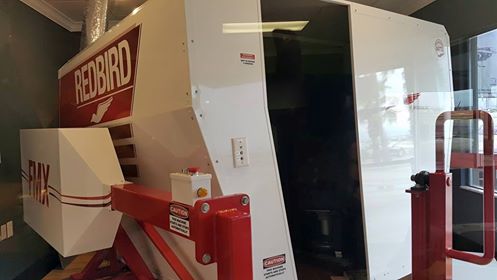
Is it getting easier - some of it. Do I feel more confident - definitely. Could I fly on my own yet. Not safely. There really is just so much to remember. Was time in the sim yesterday helpful - certainly. Hopefully some of it will become habit rather than something I have to consciously look for or recall! 3 August 2015 Day 8 Heavy rain and thunderstorms in the morning condemned the day to two sessions in the simulator. But actually it was time well spent as you can keep repeating maneuvers until you get them right. Without taking up time and without too much distraction. By the end of the day I could fly the pattern and land. By the end of the day I could get the plane back to the airfield after an engine fail in the pattern. So with good weather tomorrow we can do the same maneuvers in the airplane and remember to use things like checklists; get the weather; remember who to contact and when. Lots to remember.
Charlie airspace starts 10 miles out
from Sarasota at 1200 feet to the East. No problem calling a little
earlier. One of the FAA test questions asked me about weather over Utah.....so a little US geography helps as well - though to be honest Utah was further south than I thought. 2 August 2015 Day 7 A day off flying. A drive down to Venice. A small retirement town with a beach, a golf course and an airport - which I am sure I will re-visit soon. I did do the first of three mock FAA exams. And I did it without notes. 65%. But I felt I was struggling. Since all the questions are multiple choice just law of averages says you should get at least 33%! Some things I know without hesitation; but I was clueless on navigation and time and direction from A to B. But 70% is a pass so I am heading in the right direction. 1 August 2015 Day 6
Maybe more than anything else I have
done - when you fly you know when you have done a decent job and you
know when you have screwed up. For instance the center line is there for a reason. You may still be on the taxiway but you should be on the center line not yards either side of it. You know you want to be at 1,000 feet. 900 feet or 1,100 feet is therefore not good enough. You know ATC has asked you to turn onto a heading on 320; that means 320 not 310 or 330. Hold a straight line without any loss of altitude while crabbing into a wind...you know if it is good; and you know if it is a shocker! If you do it right you know it. If you do it wrong you know it. Today - most things were done right. Plenty of room for improvement for instance heading out east after take-off when you are trying to contact Tampa departure while climbing and maintaining a heading. But it was a good flight. For only the fourth flight in the Skycatcher it felt like a good flight. We were lucky to be able to fly. There was plenty of cloud and thunder in the weather to the south of the airport; but it looked like it was going to stay over Venice rather than move north so we headed out to the eastern practice area. I taxied almost on the yellow line for once to runway 14. We flew rectangular patterns maintaining altitude and keeping the same distance from our markers around the pattern. We flew west and east above a road with a little crabbing to maintain our heading. Returning we were given a wide downwind leg to accommodate another plane on a standard downwind. It was a good day to talk with Sarasota and Tampa ATC as they were not so busy at the weekend. We turned base at and then final for a runway 14 landing and came to a full stop - a touch and go would have taken us straight into the arriving storm at the south of the airport.
It was a fun flight. And 32Romeo is
still intact! 31 July 2015 Day 5 We had almost two hours in 32Romeo today. The Skycatcher is so much nicer to fly that the simulator.
But here is a basic mistake. I forgot to put the chocks back. And I only know that from looking at the picture. Lesson learned. It will not happen again. I suspect they were replaced when the guys refueled for me. Thanks and sorry! So out to runway 14 - take off to the south and turn east to the practice area. We practiced power off stalls and power on stalls. We did s turns along a road; we did an engine fail emergency; where do you go - ahh - that looks like a runway - the private runway at Hidden River. Turn left to lose some height and then a 180 deg to line back up on Runway 27 - descent to 400 feet; know we would make the runway and climb again. A runway is better than a field any day. Of course if my positional awareness was better and I had thought to check my chart I would have known that Hidden River was right there. Keeping the glide speed at 65 knots is challenging while you work out whether you have the range to reach the runway! The power on stall is amazing - the plane just does not want to stall - and you almost have to take it to vertical before the plane will stall and the nose will drop. Remarkably you feel perfectly safe through this. Maybe because my instructor is there in the next seat. Back to Sarasota for a runway 14 approach. We asked for touch and goes...and were lined up when ATC said cannot due to traffic - just fly a low approach and turn on an extended downwind for a runway 14 touch and go. Which we did. Keith flew the landing which with a 10 knot crosswind meant crabbing into the wind and a right wheel and then left landing - my controls for departure and another right turn to go back to the downwind leg for another runway 14 landing to a full stop. This time ATC had us do a full 360deg turn to create space behind a Delta MD80 - caution wake turbulence. A full 360 degree standard turn takes two minutes. The afternoon whether was not co-operative. So we did two useful hours of ground school. And had a little bonus at the end of the afternoon when we were asked to take out Cessna 172 Skyhawk for a quick flight to test the number one - com 1 - radio. This is a 1999 Cessna 172SP registration N393SP; it has traditional avionics rather than a glass cockpit. We departed runway 14 for a change. taking off into a strong headwind we were off in a matter of yards....the radio would transmit but we basically could only hear static in return. There is a second Com 2 radio so we were perfectly safe. So we simply flew the pattern and returned to Runway 14 and exited onto Alpha to return to the Dolphin FBO. My fourth different airplane (including the redbird sim) in five days. There is a real art to landing the Skycatcher - that is going to take practice and more practice. One lesson tomorrow - steep turns and more maneuvers. A day off on Sunday and our first cross country on Monday. 30 July 2015 Day 4 Today's lesson was scheduled from 2-5pm and of course the weather did not cooperate with thunderstorms and rain around both Sarasota and the Eastern practice area. So we were back in the Redbird Simulator - for 2hrs and 20 minutes, which passed remarkably quickly and with no little frustration. I want to fly my nice stable Skycatcher. The Redbird is too hard - overly responsive and however good the graphics are it is still two dimensional and frustratingly unreal. Add to that despite the fact that we are flying in a daylight simulation the cockpit is far too dark; which make reading checklists harder than it should be. We flew some stalls; some departure stalls; we flew at slow speed and we did, or tried to do some touch and goes at SRQ. One landing had me dragging the perimeter fence along behind me. I did keep coming in too low. Loss of power mainly. So the logbook has 5.3 hours in it now....of which half are in the simulator. I feel I need some real time in the air and to fly on just one airplane that I can become familiar with. The positives - I feel I am learning; the people at Cirrus are hugely supportive; and I will get his done! If the weather holds tomorrow we are going to touch and go at SRQ until I am nailing my landing! And to give you some idea of the potential traffic that you can meet at SRQ here is JetBlue on taxiway Alpha heading to the terminal after a runway 32 landing.
29 July 2015 - Day3 I hour 20 minutes this morning in the C162 Skycatcher. There is not a lot of room for two people in that cockpit. And it is different from the C172, with a control yoke rather than a wheel. Initially it feels strange to be holding the yoke in your left had. I wanted to use my right. But once you start to rest you elbow on the arm rest it all becomes more comfortable. Again the weather was marginal so we were a little limited in terms of what we could and could not do. But for the first time I handled some of the radio traffic talking to Sarasota ground and tower. The preflight checks are quicker on the 162. Only six fuel sumps rather than twelve.
We departed runway 32 and headed out to
the practice area. Some turns, descents and climbs and then some slow
flying; nose up, maintain altitude but reduce speed to a few knots above
stall speed while making shallow turns. We turned onto taxiway alpha just as the USAir Bombardier was turning from its runway 32 heading also onto Alpha. Sarasota ground asked us to dive onto taxiway Delta and then turn a full 180C until the USAir has passed. Not a problem. And good to do something out of the ordinary an early stage. But I woke at 4am. And I wake thinking about all the things that I do not know and whether I will ever learn them. So I never get back to sleep as the mind is already working at 120%. We did not fly in the afternoon. Instead we spend a couple of hour working through airspace rules and the sectional chart information. Very helpful. I have always liked reading maps! 28 July 2015 - Day 2 That's not much of a weather report - I will need to do better on METARS etc. Taxi-ing is hard - trying to stay on the centre line without over correcting on the rudder pedals....and it becomes a matter of pride. You want to stick on that centre line....Keith was working the radios today - the thought of working the radio while also trying to handle the plane is slightly intimidating! The pre-take-off run up can be complicated as you want to turn the plane into the wind while on the taxiway to keep air cooling the engine while you bring up the rpms while standing on the brakes...that can mean doing a full 180 on the taxiway as the wind is likely behind you as you will take off into the wind. So we headed at about 2,000 feet down to the practice area to the south east of Sarasota. You do need to keep a look out for other students hoping to do the same thing in the same space!
We threaded through some light rain; we
did a few maneuvers - climbs, descents and turns. I have not got the hang
of trimming the plane yet. That will need practice.
Early days I guess.
Just simply watching the revs, heading
and altimeter means you are not paying enough attention to outside the
airplane.
27 July 2015 - Day 1. 8am is not my best time of day; but I had not slept well. a mix of excitement and no little trepidation. It was the day for my first flying lesson at Cirrus Aviation. Cirrus have a nice set up at Sarasota. Their offices are in the comfortable, stylish Dolphin Aviation FBO. Keith Geren is my primary instructor. Likeable, sensible, and patient. All good virtues in any instructor, whatever the subject! The bad news: we were not going to be able to fly. It rained most of the day; good IFR weather; bad VFR weather. But we did find a break in the rain to go and look at the Cessna 162 Skycatcher that I will be flying and do the equivalent of a pre-flight check.
It is best described as functional inside. But it does have a Garbin300 glass cockpit which will reduce my fear of getting lost, barring a total loss of electrical power! We covered some groundschool work and then we did a short flight in the Redbird Cessna 172 simulator.
Taxing-out in the sim was not my finest hour - turning onto runway 04 with added thrust rather than reduced thrust, I took us onto the grass. Not ideal. But it is a simulator! Keith happily tells me that the real airplane is much easier to fly than the simulator. For now, I believe him. He wants me to fly straight and level. At this stage I think he has a choice. I can do one or the other, but not both a the same time. I have to watch the rpm counter; not just the airspeed. We did land; more or less in the right place. But our approach was too low and I needed more power and speed to settle onto the runway. Our afternoon session ended up as talk and ground school. Again no-flying. Forecast for tomorrow is not great.
My first impressions are that : ii) the folks at Cirrus are all very welcoming and take their time to make you comfortable. iii) I wish it would stop raining. iv) the folks at Cirrus want their students to a) be safe and to b) succeed. Pretty obvious for a flying school but there cannot really be anything more important. Preamble
Everyone knows I like airplanes. Not so
much military airplanes but civilian planes. I have trouble imagining
something that I love causing death and mayhem. Well they fed all my data into a computer - probably a Cray in those days. Out came a report to which my then housemaster (yes it was boarding school!) typed additional comments. He wrote that he found it ludicrous and preposterous that I should want to be an airline pilot. My family also had no interest in aviation. And inevitably what your parents do also effects your career choices.
Scroll forward some 27 years to 2001. So it was September 2001 and there I was in Kissimmee Florida to learn to fly.
My first and at that time only flying
lesson was at 9am on 11 September. I was one of over 4,000 airplanes in
the sky over the USA that ordered to immediately land. Then last summer Alex, soon after turning 17, got his pilot's license and this summer he will do some more hours and multi-engine flying with me in Florida. It was Alex who said that I should really start again - and at least pursue my private pilots license. My lovely wife booked me an hour on the Emirates A380 simulator in Dubai Mall. Lots of fun. She has been very supportive and knows that this is the time to try to meet the challenge that I set myself 40 years ago! Alex's mum has friends in Sarasota who will let us camp in their home for a couple of weeks in August. Having a Sarasota base determined our choice of training school. A couple of emails to Cirrus, some sensible responses, and I was signed up. Some ground school preparation before flying to the States. A long flight in via Seattle, Denver and Tampa Bay. A weekend to recover and lesson number one was on 27 July 2015. |
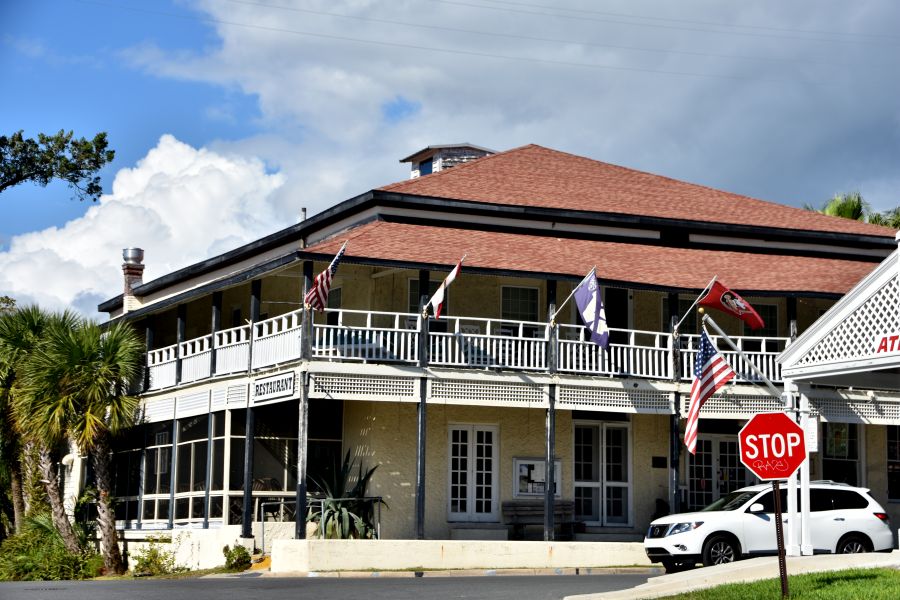

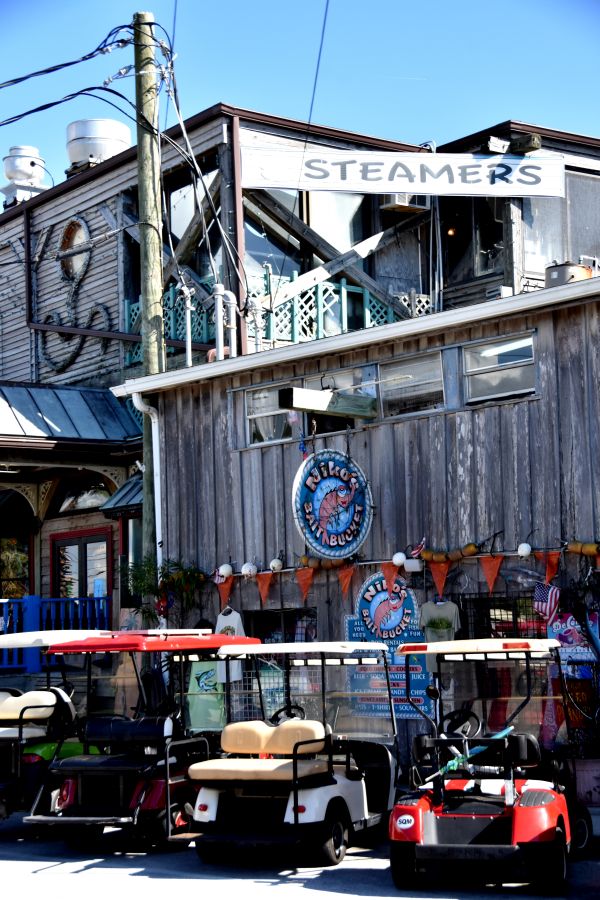
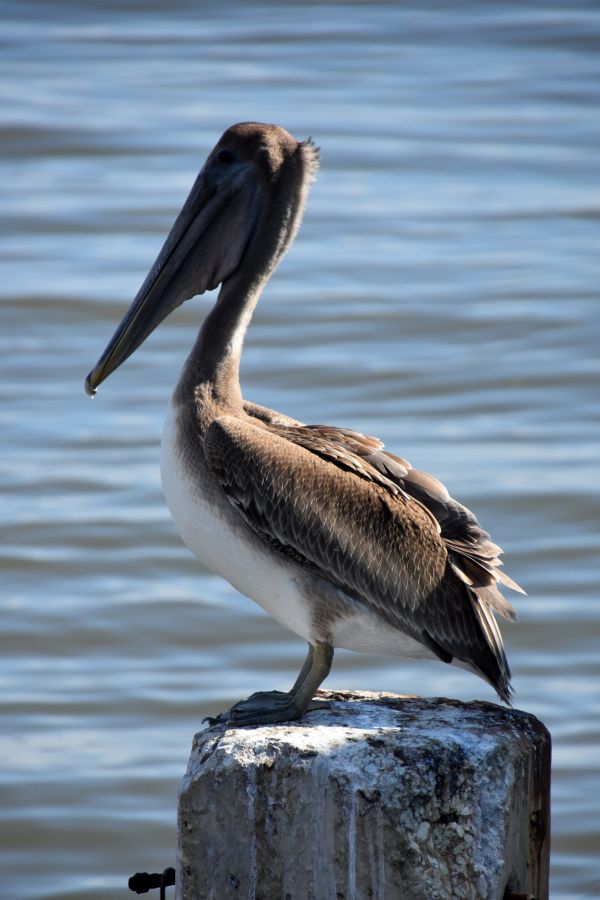

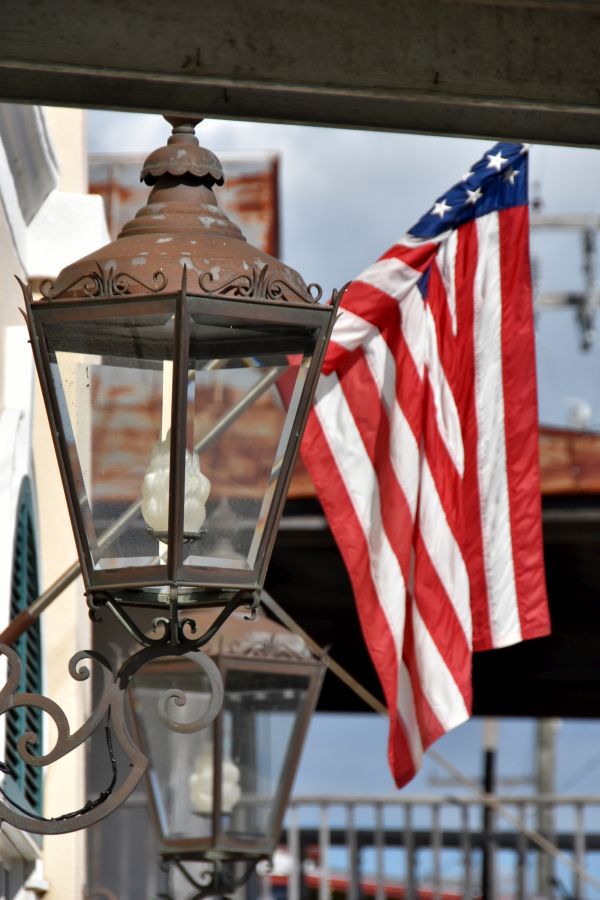
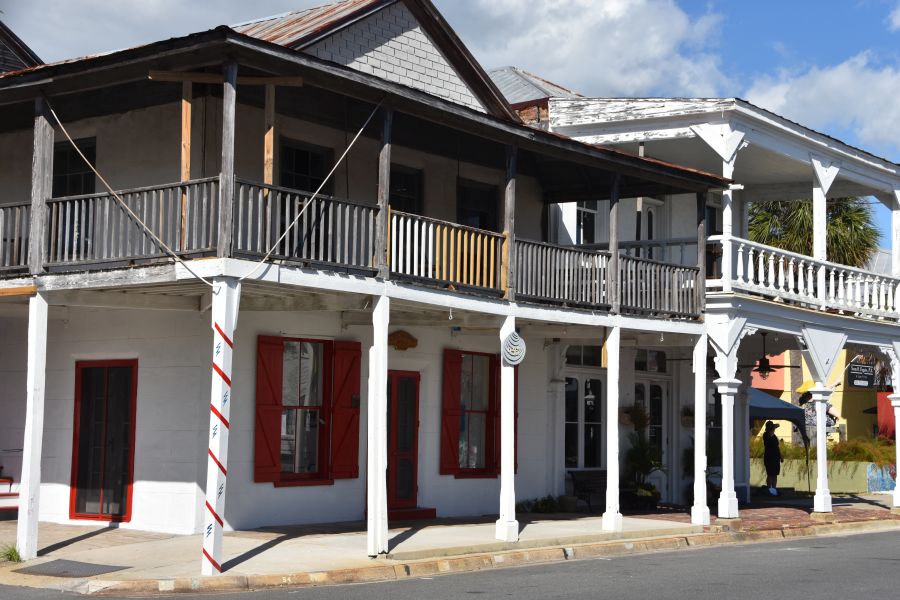
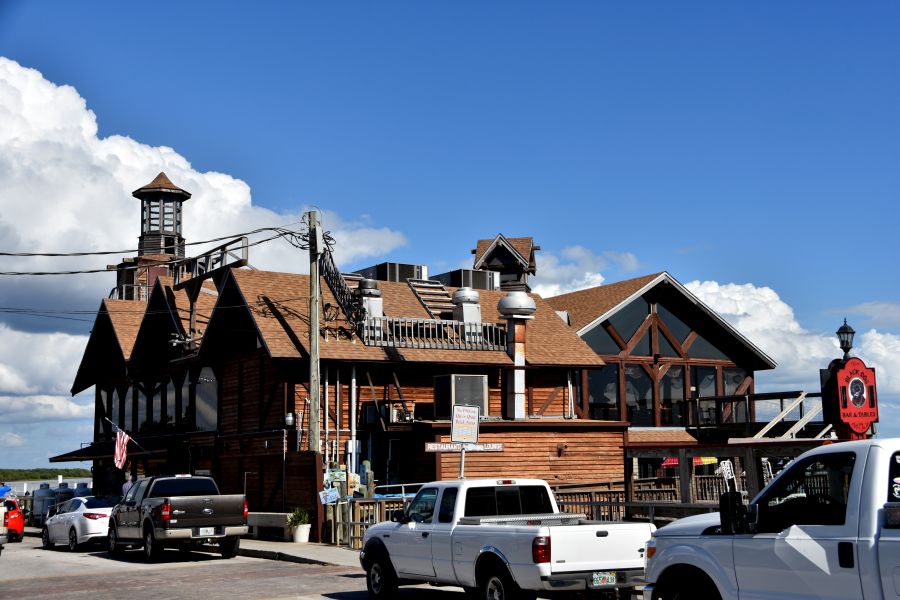
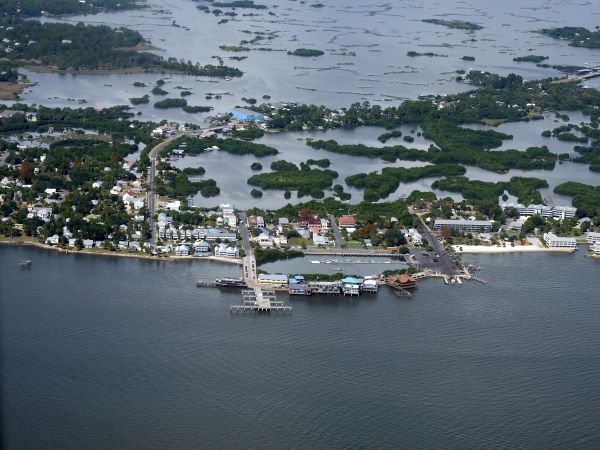
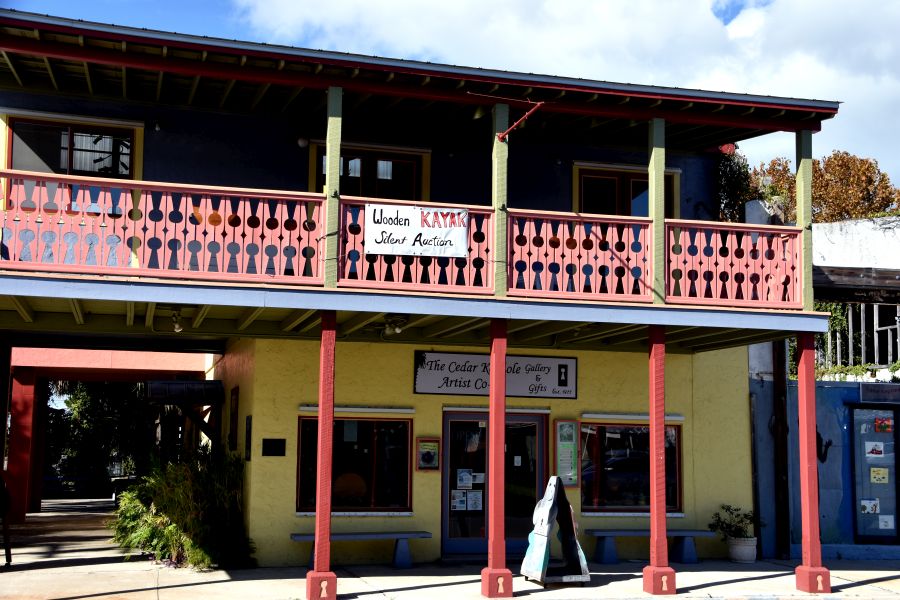
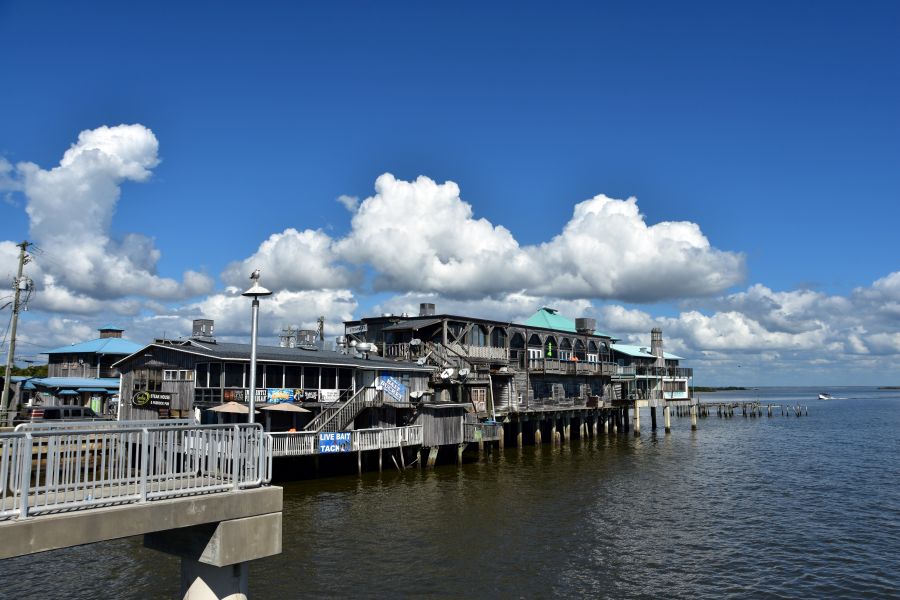
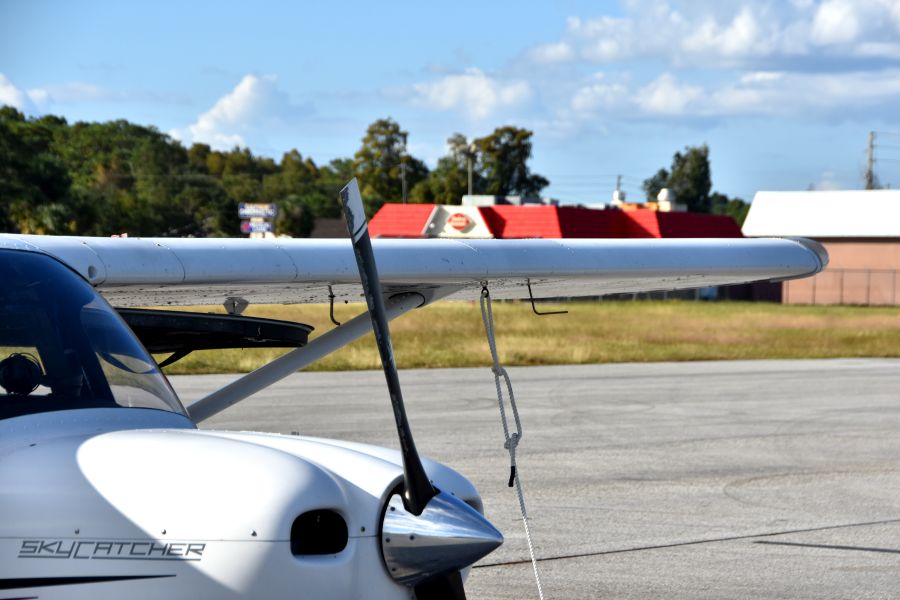
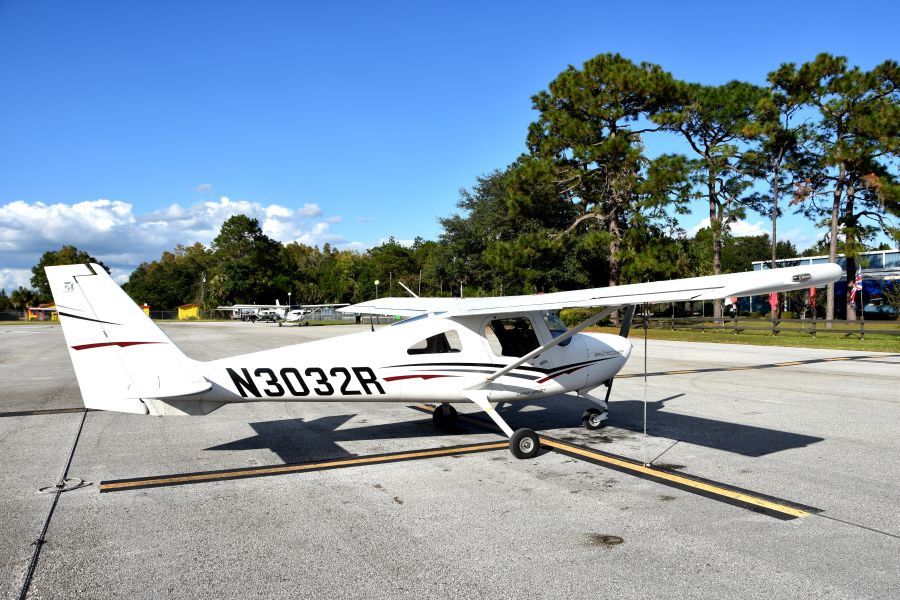
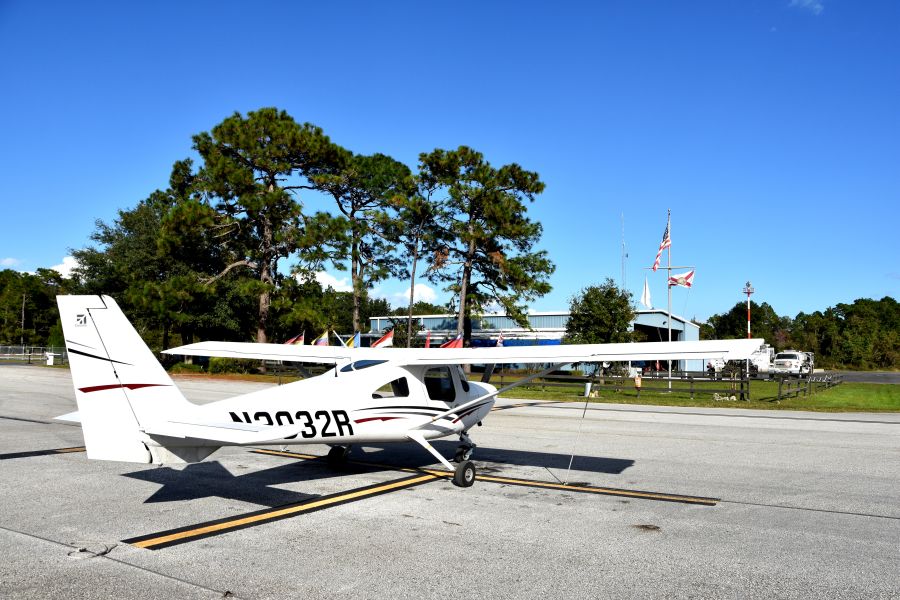
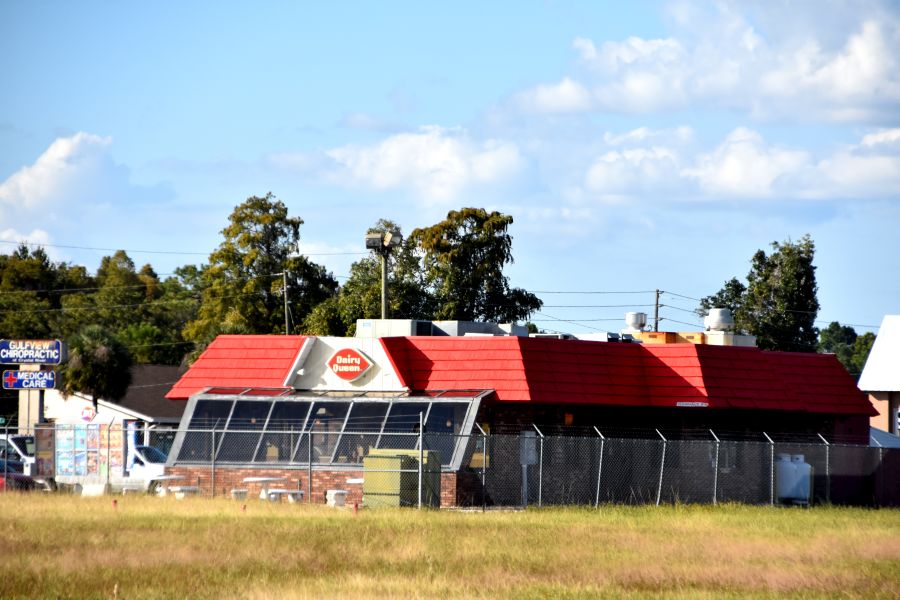
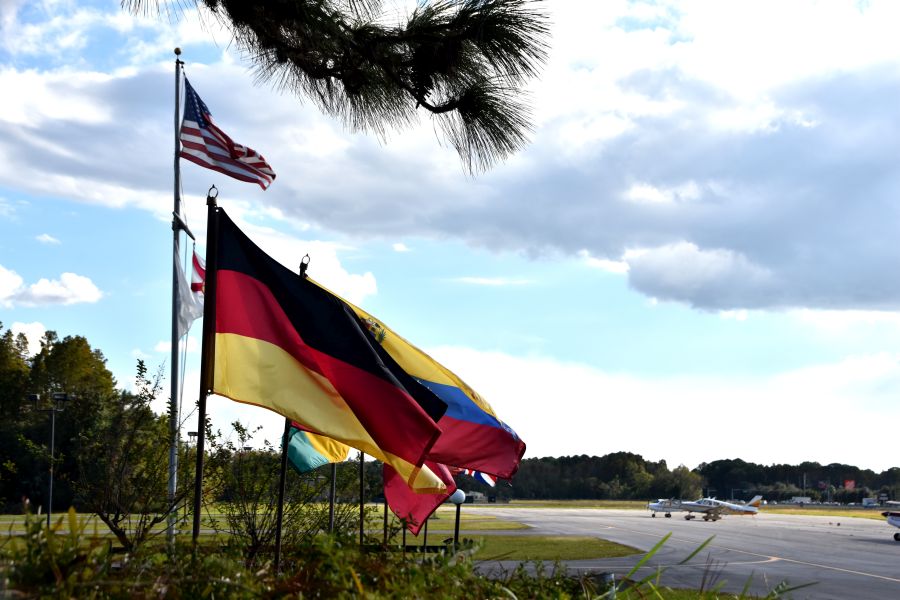
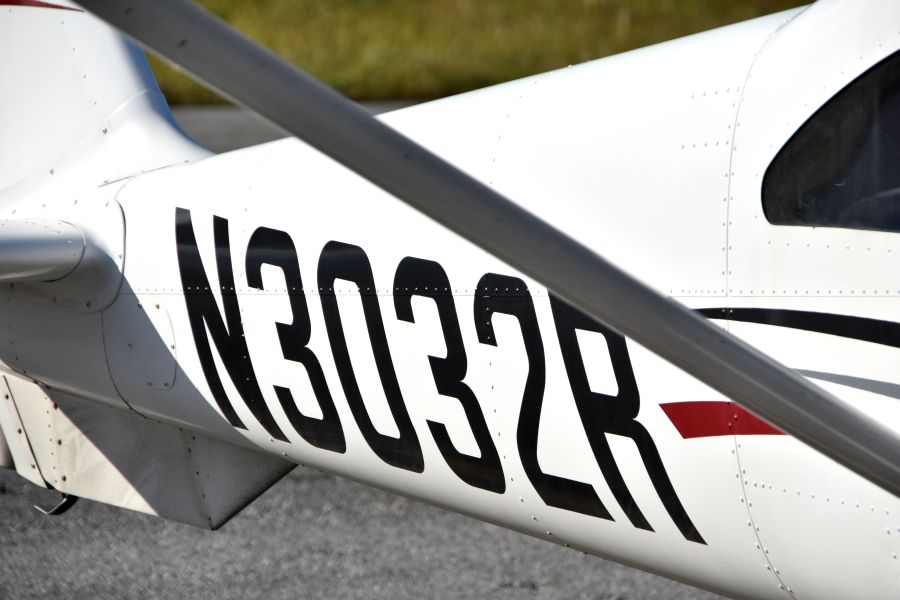
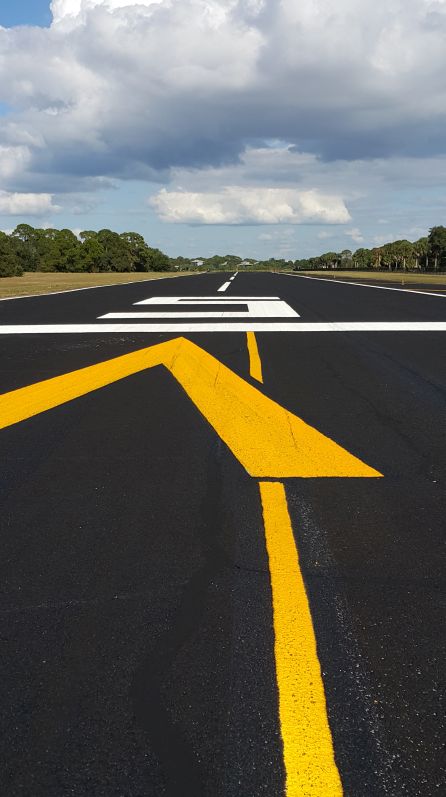
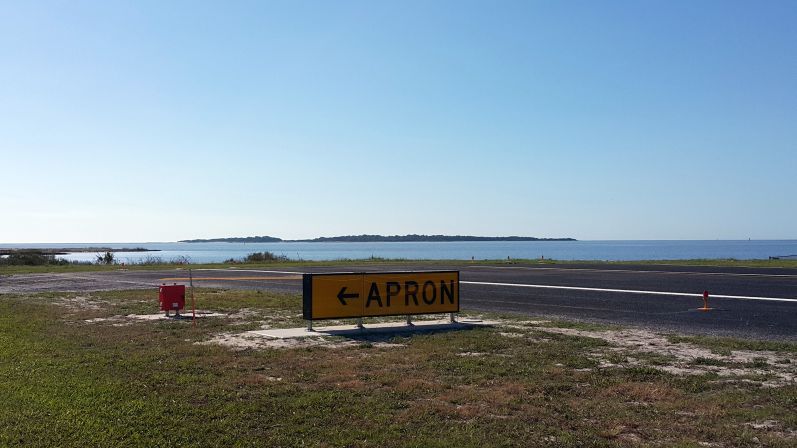
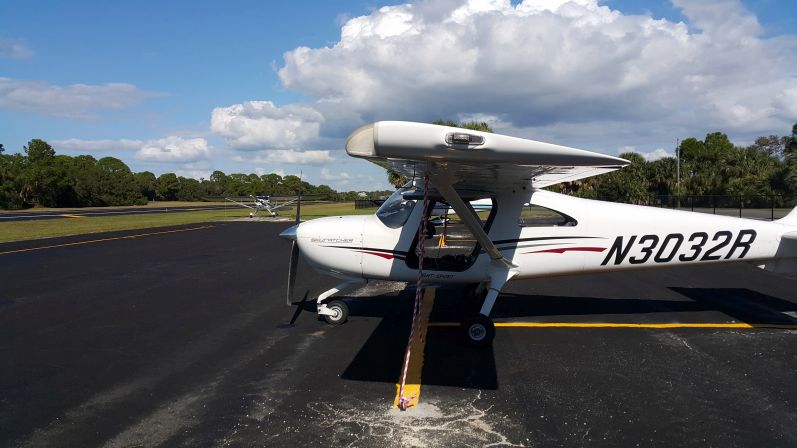
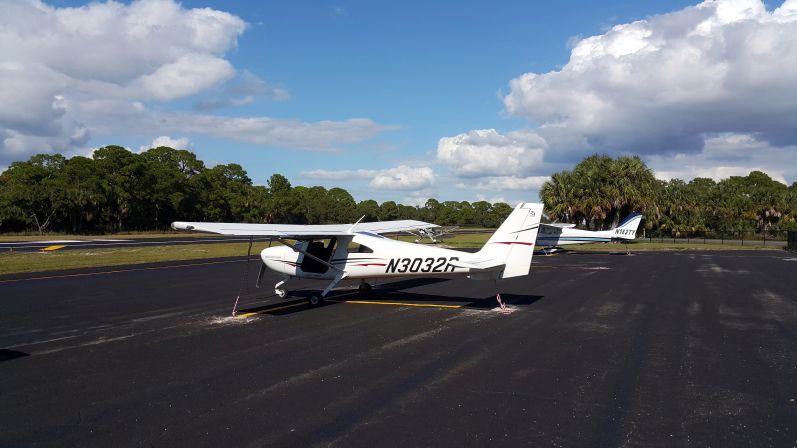
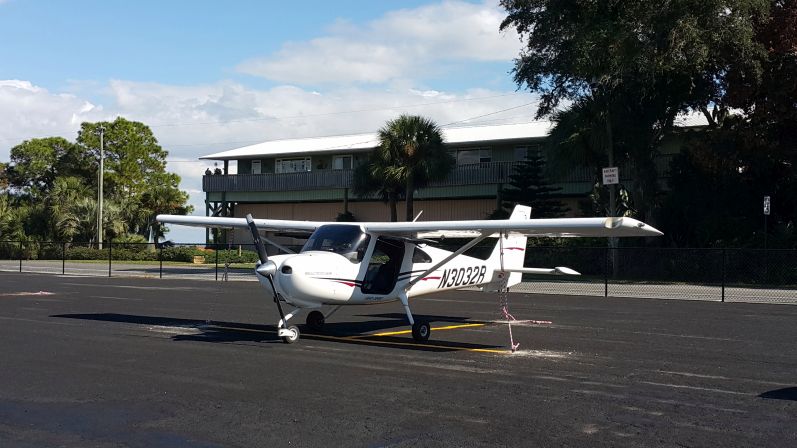
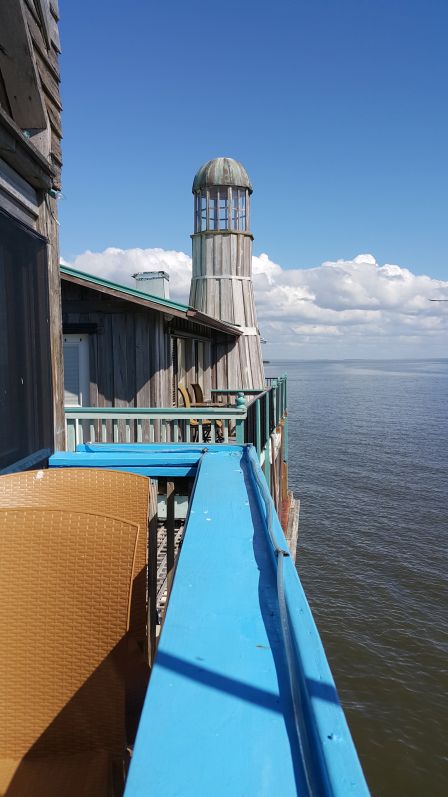
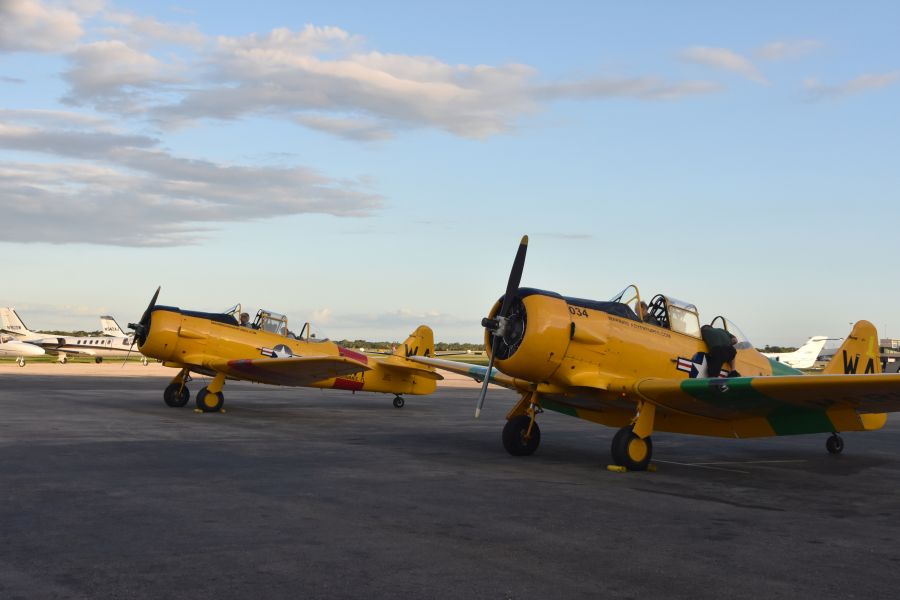
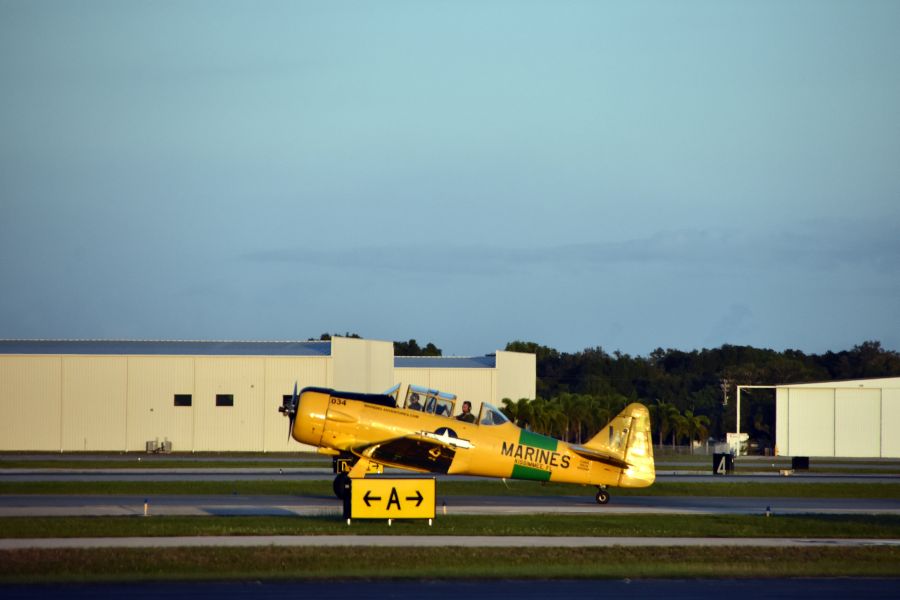
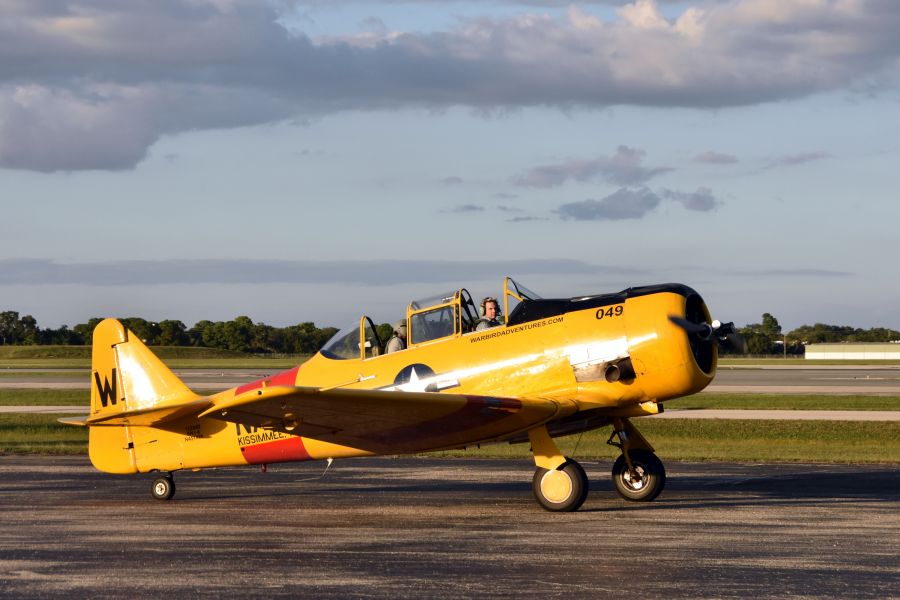
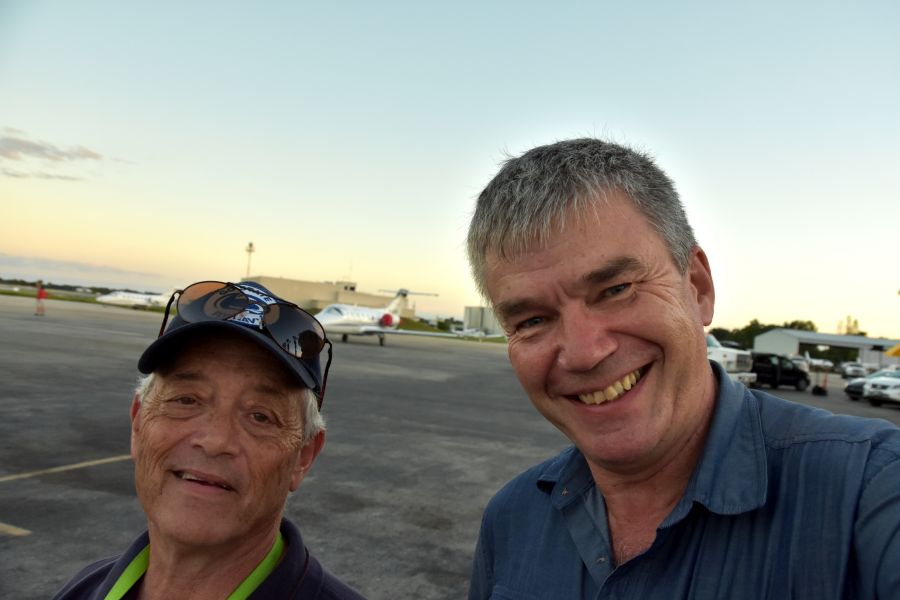
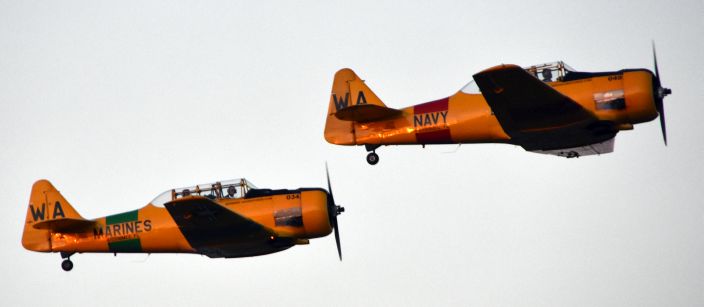
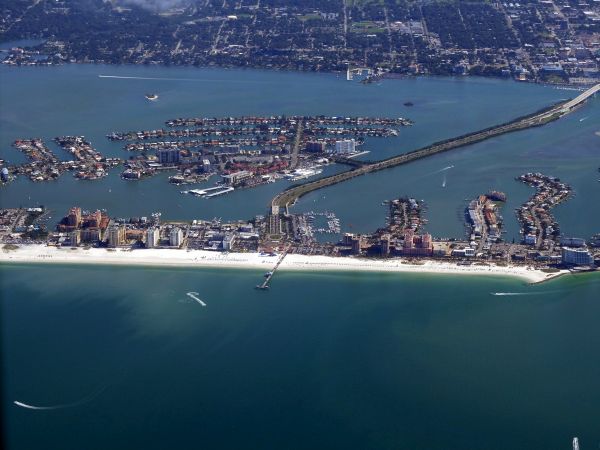
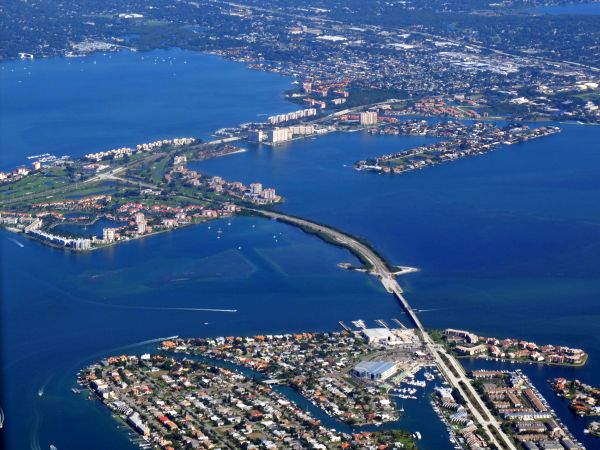
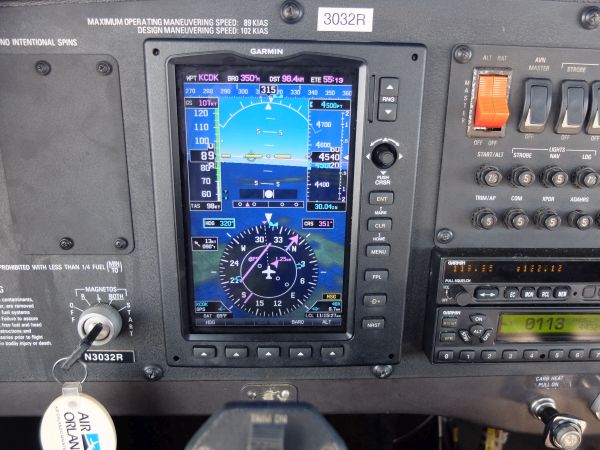
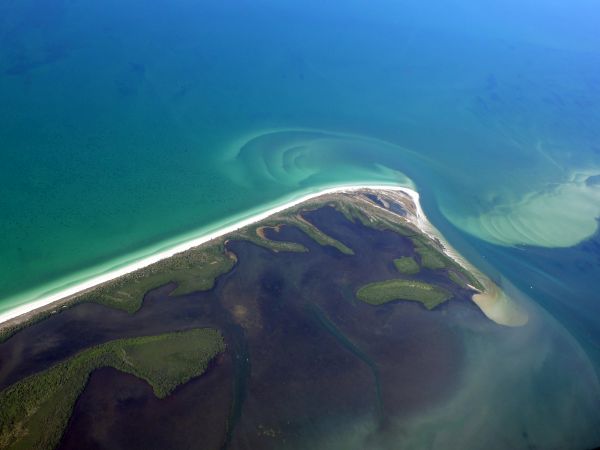
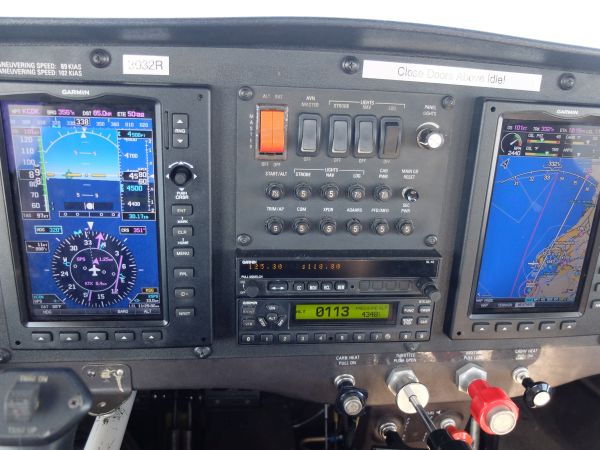
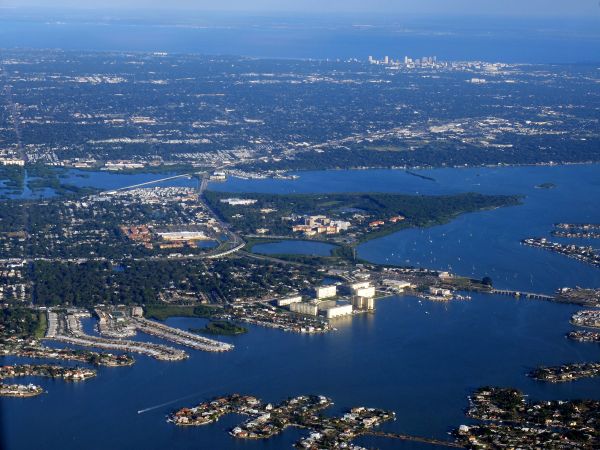
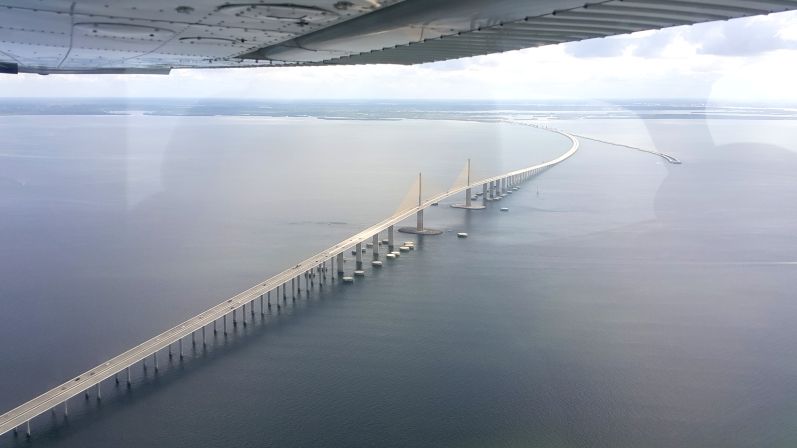
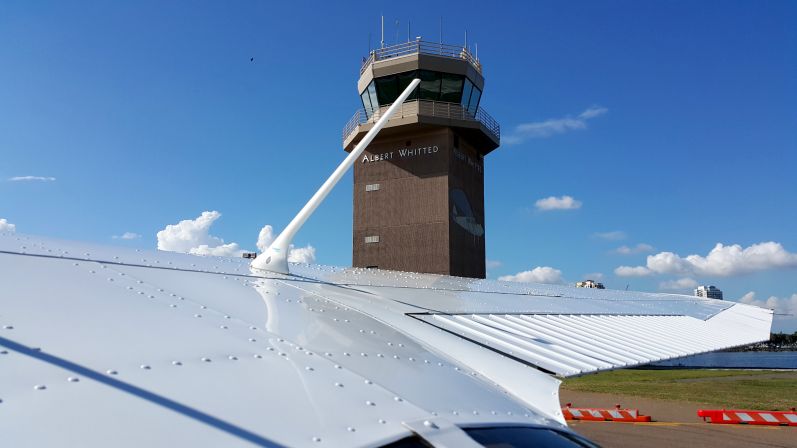
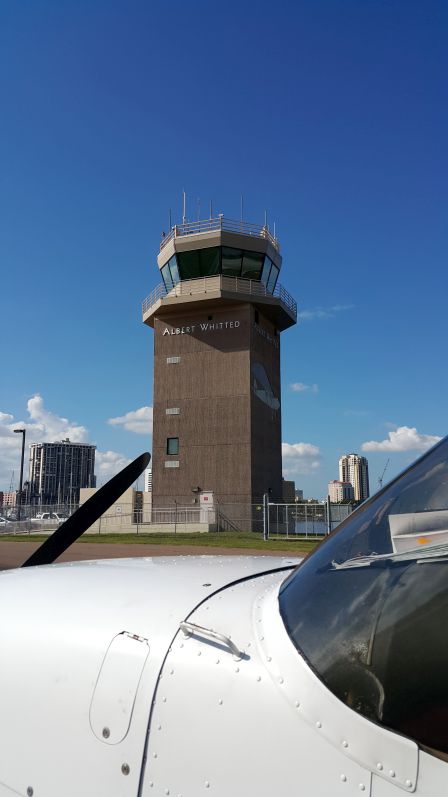
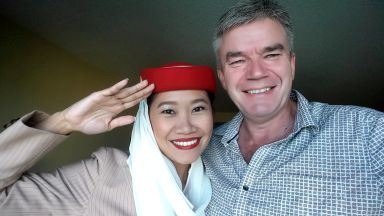
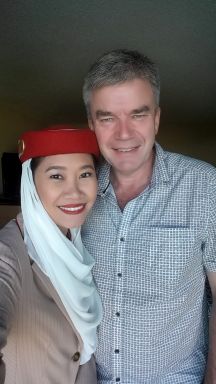
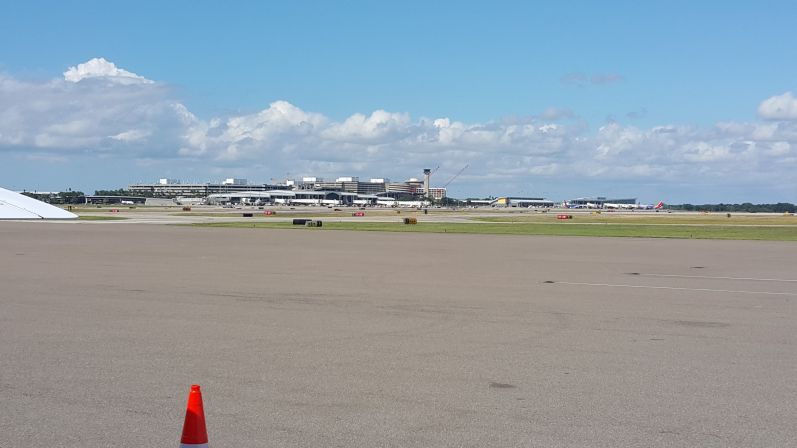
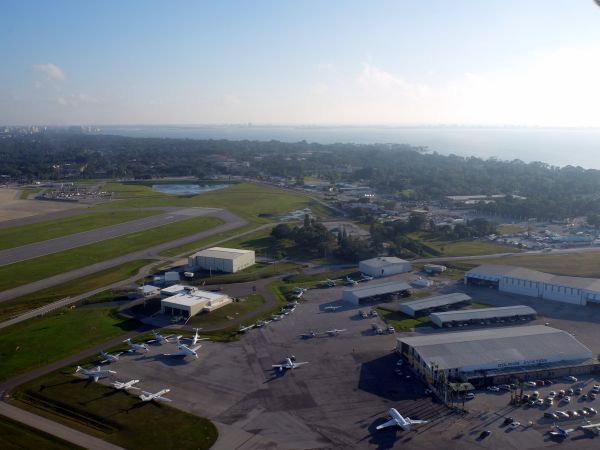
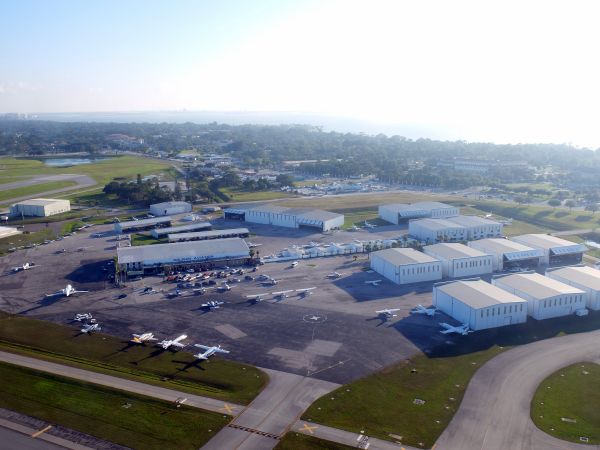
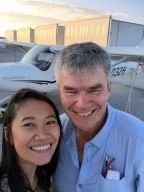
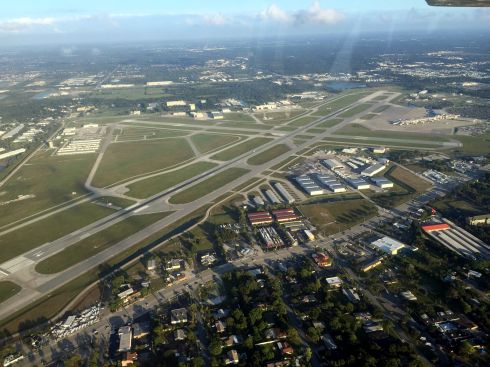
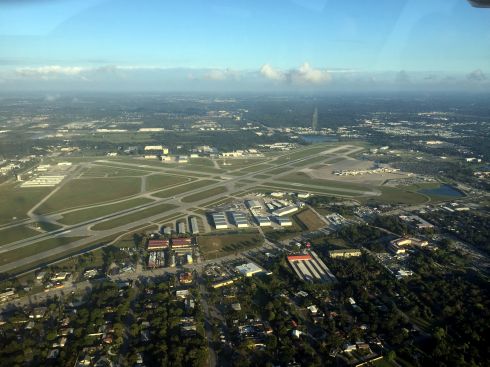
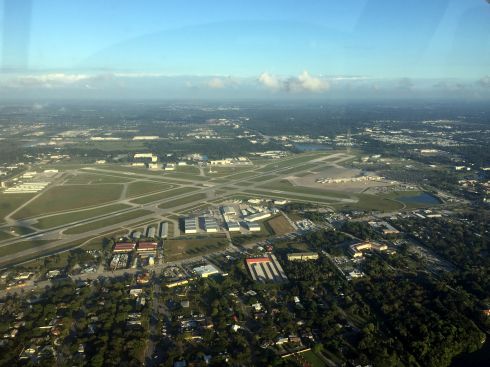
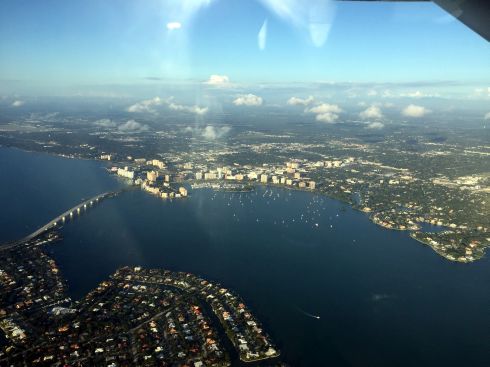
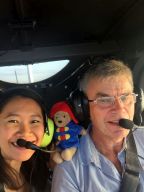
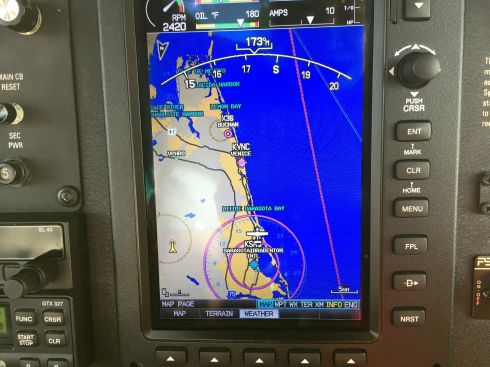
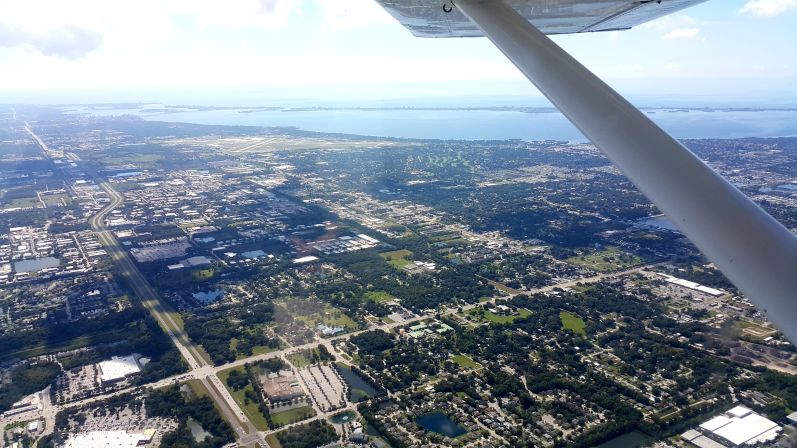
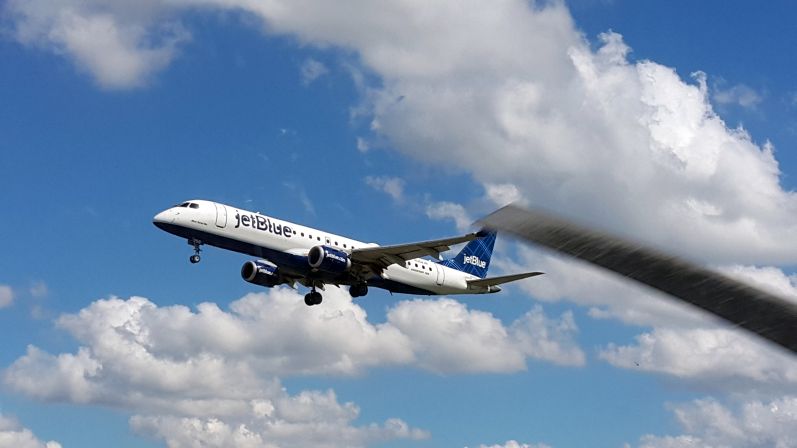
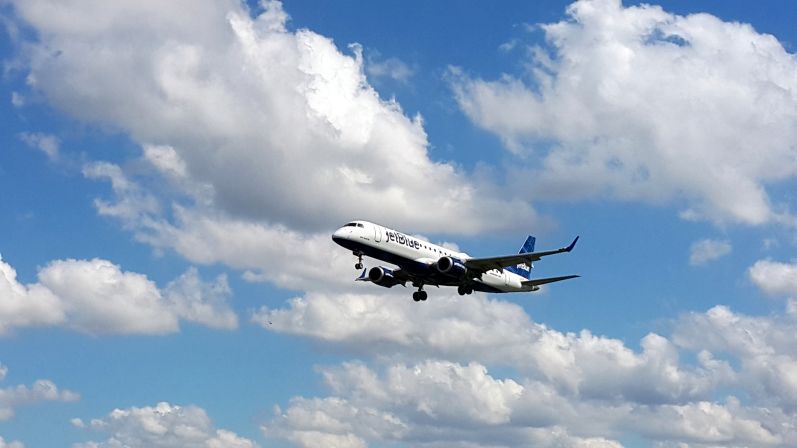
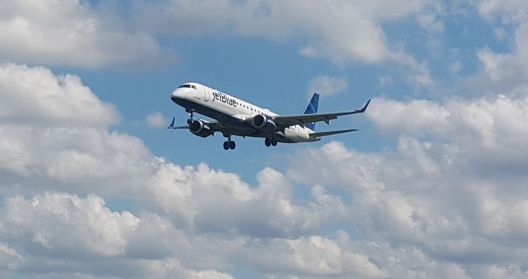
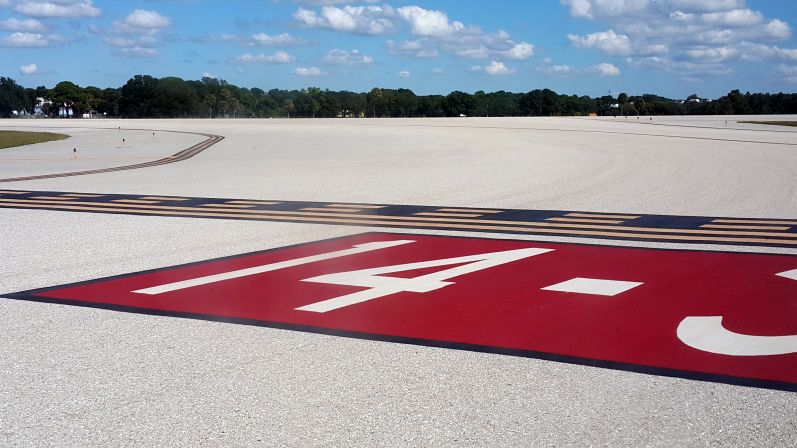
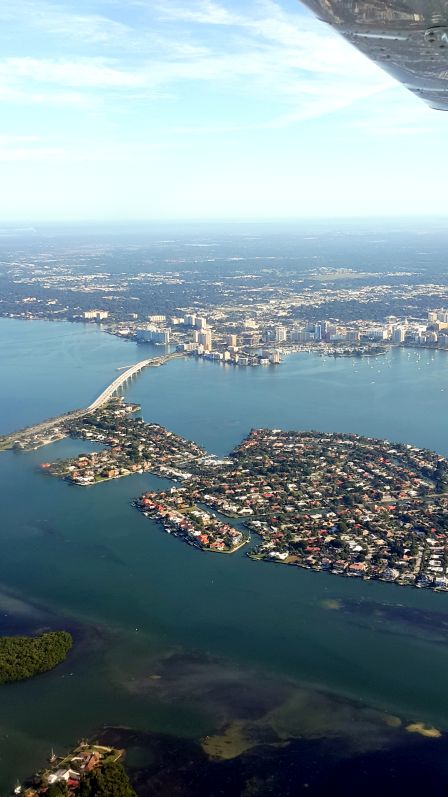
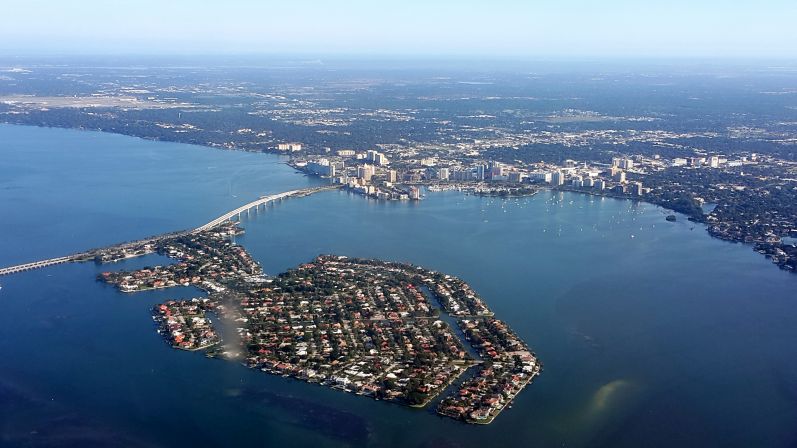
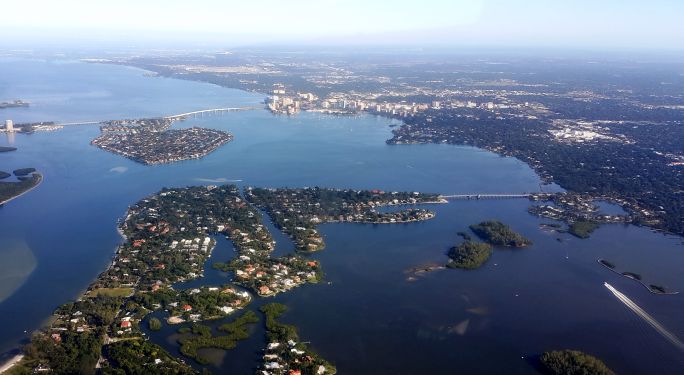
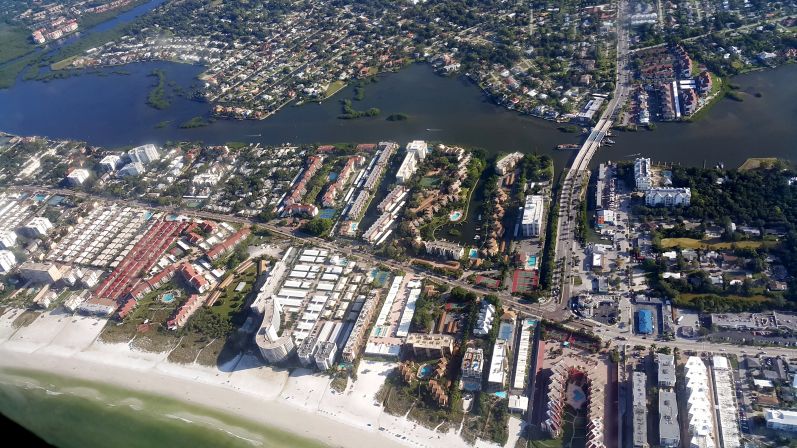
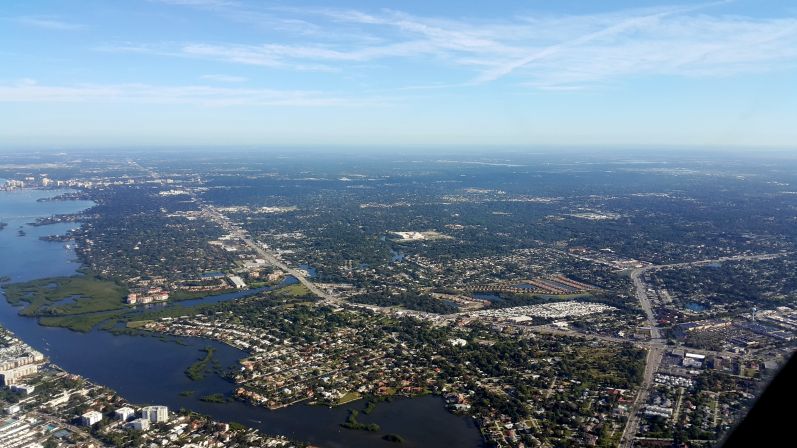
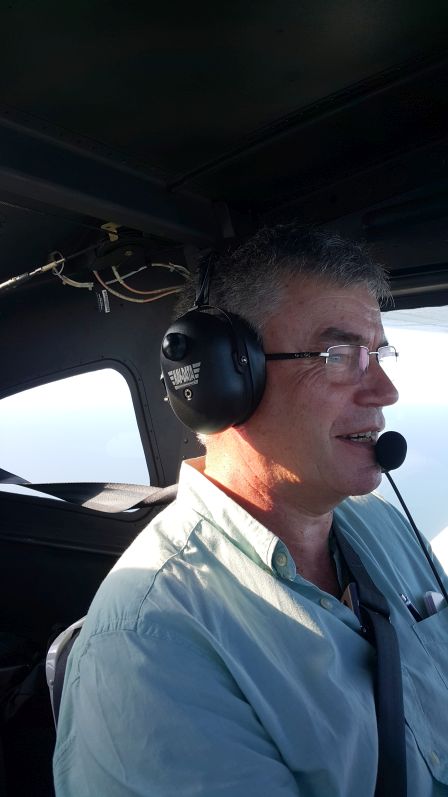
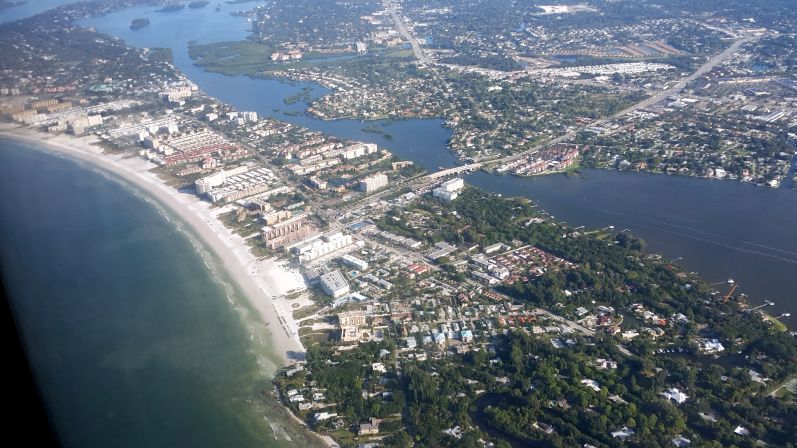
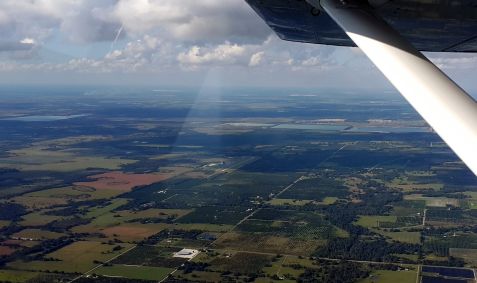
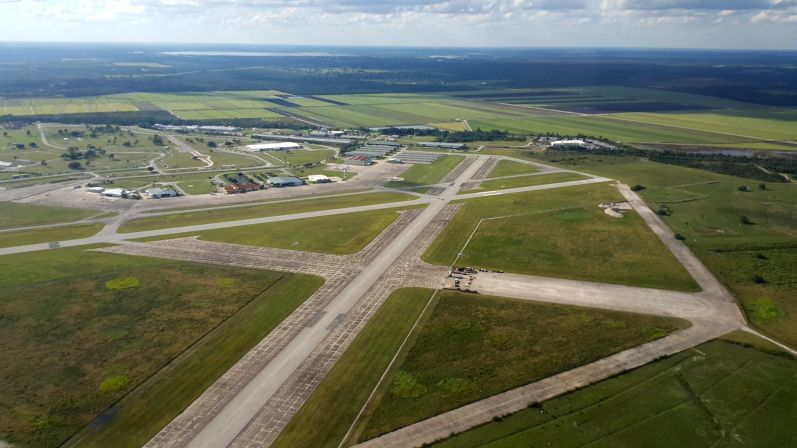
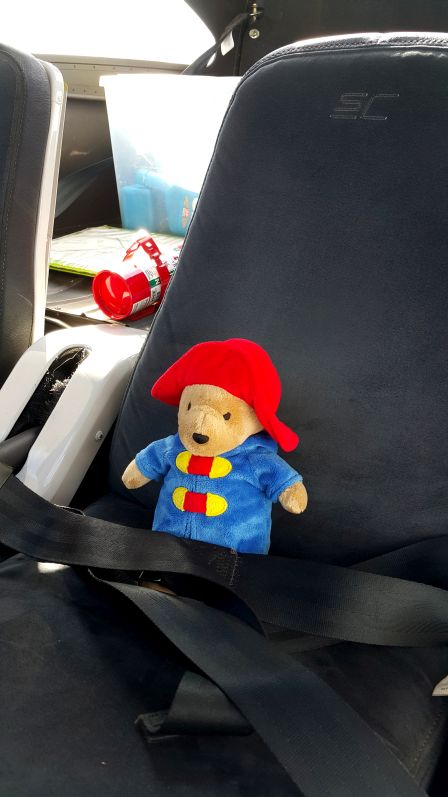
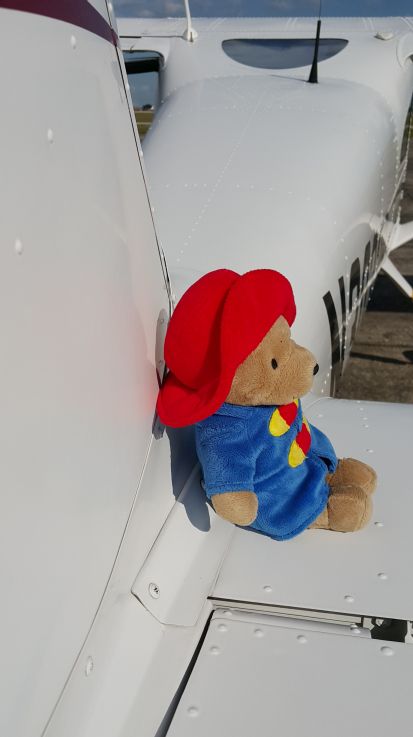
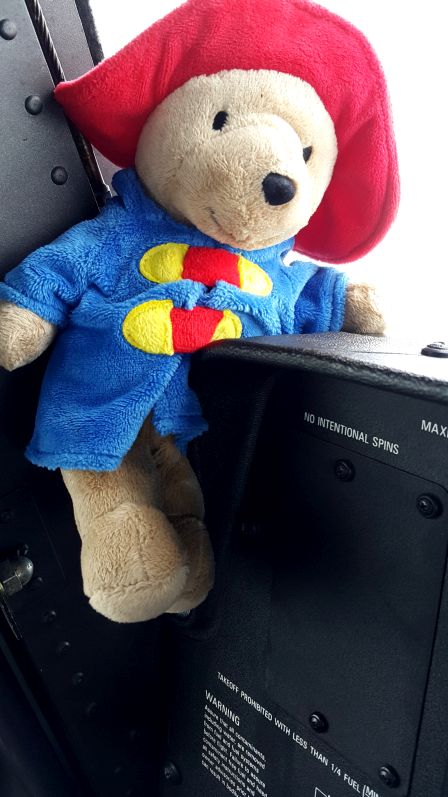
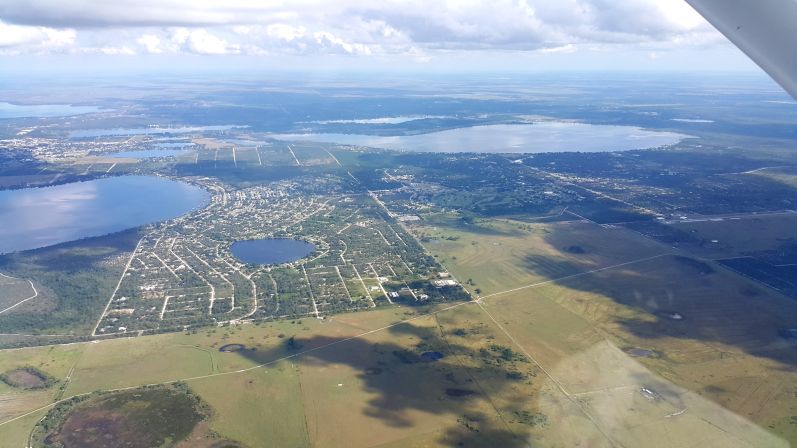
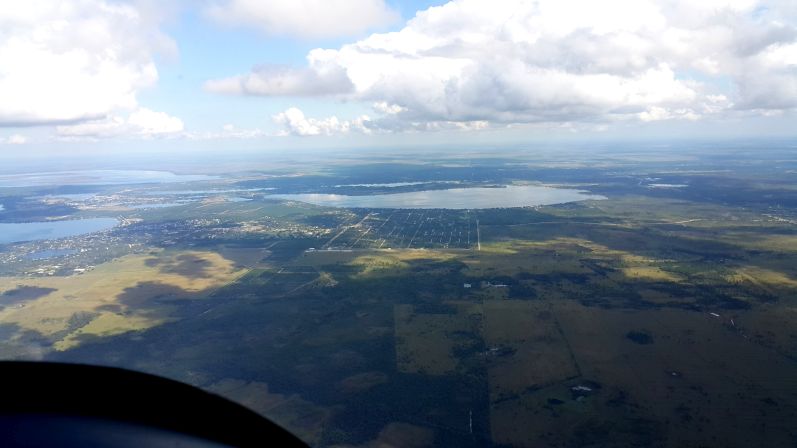
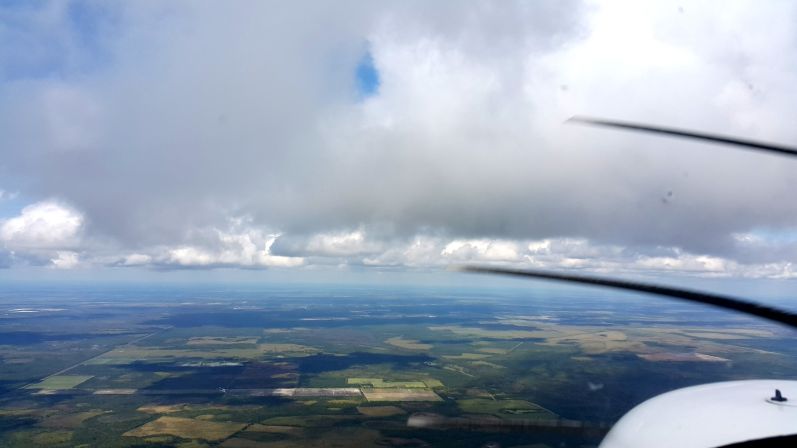
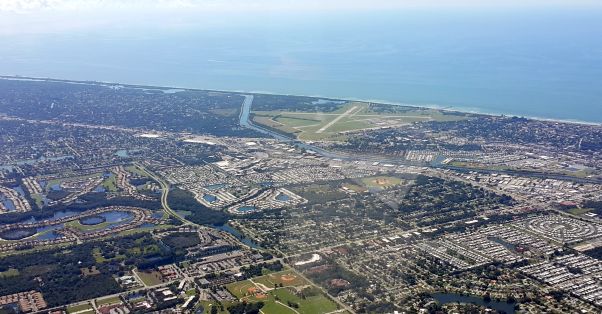
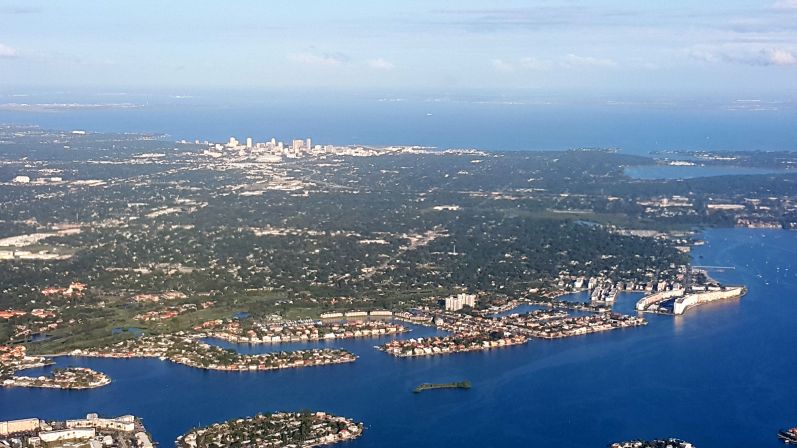
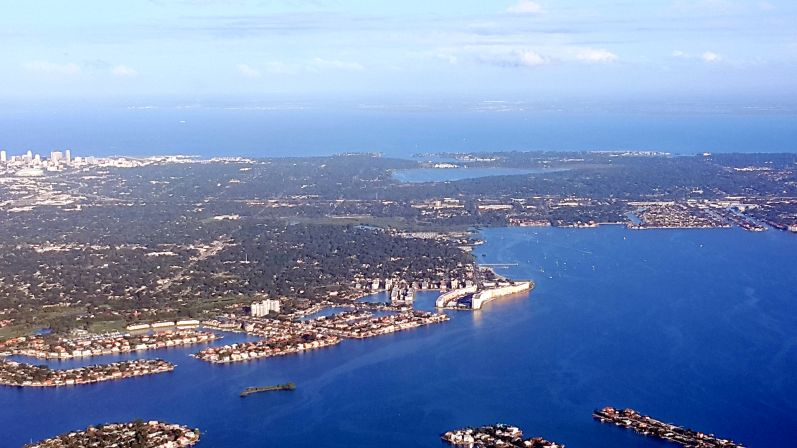
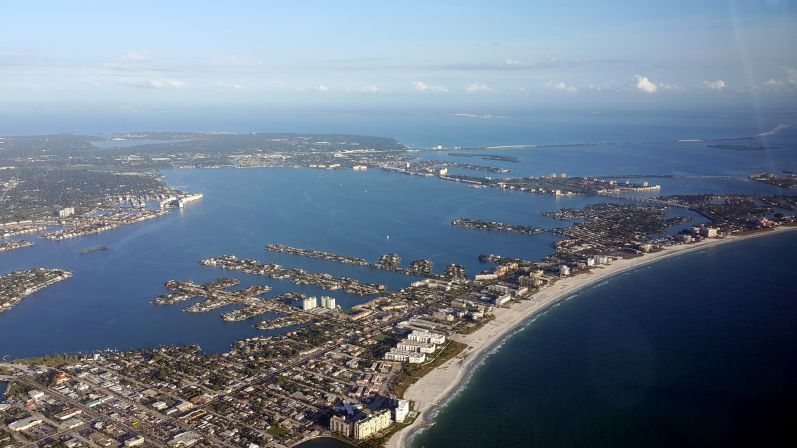
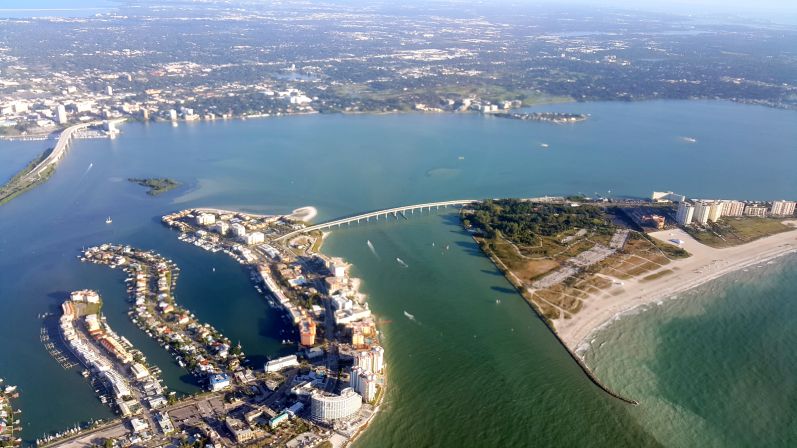
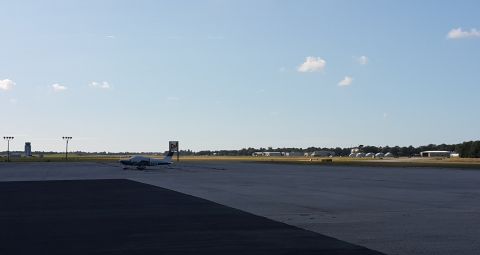
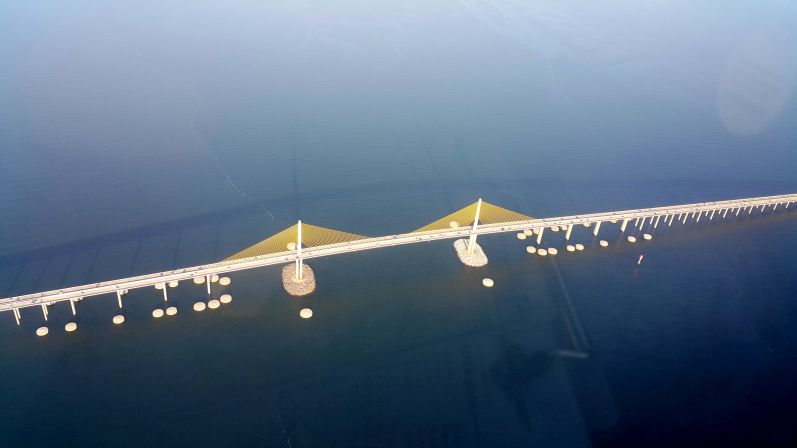
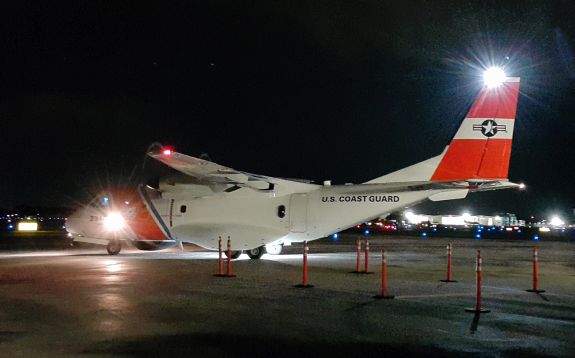
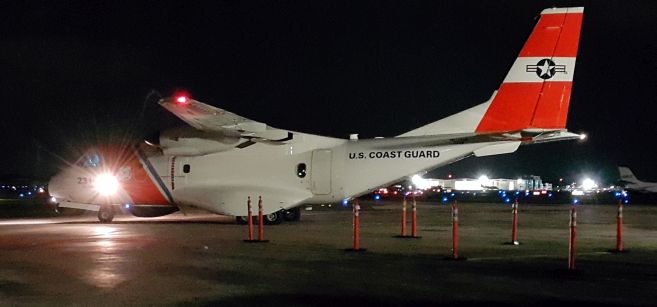
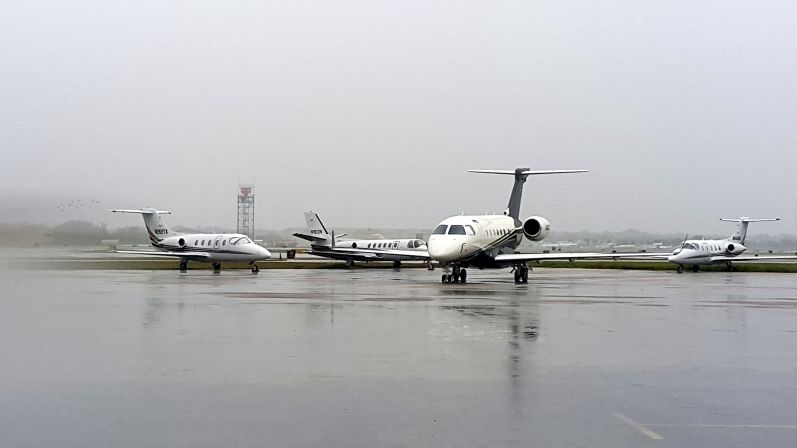
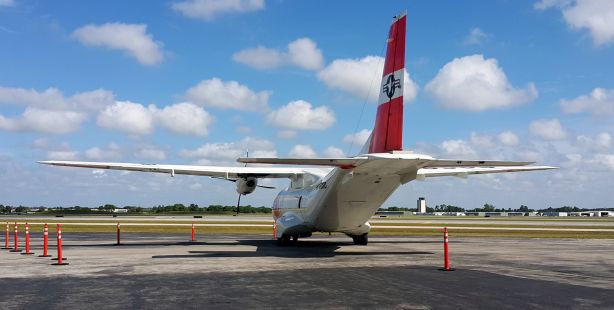
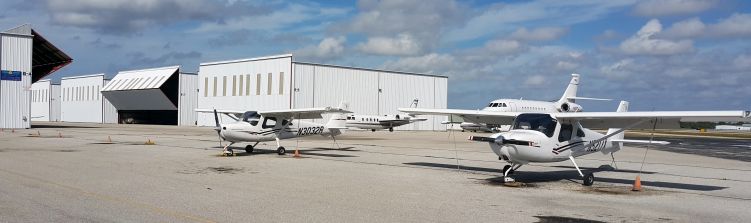
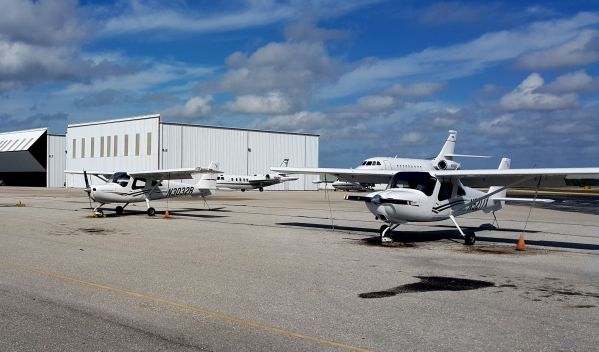
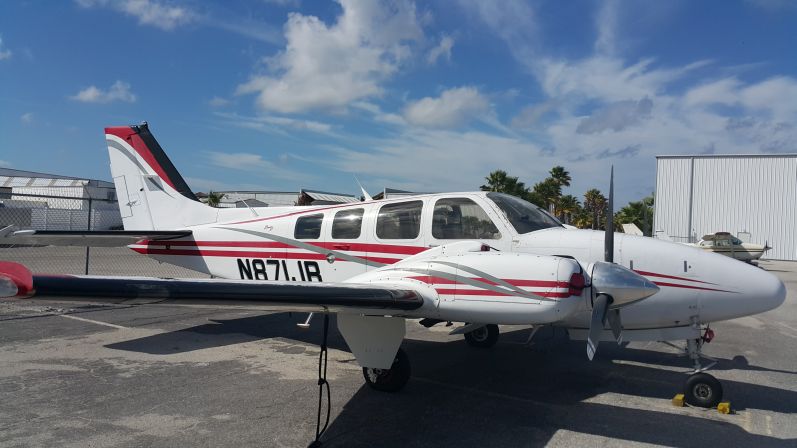
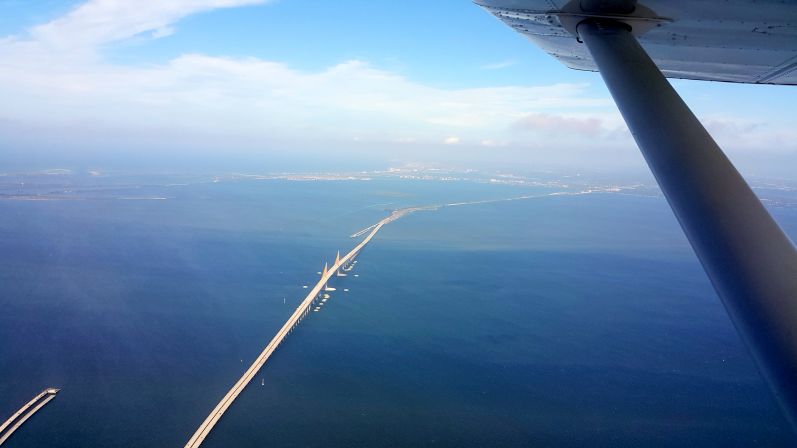
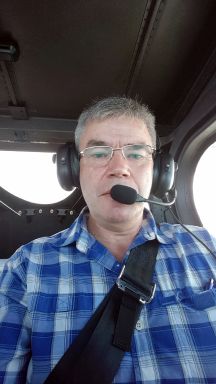
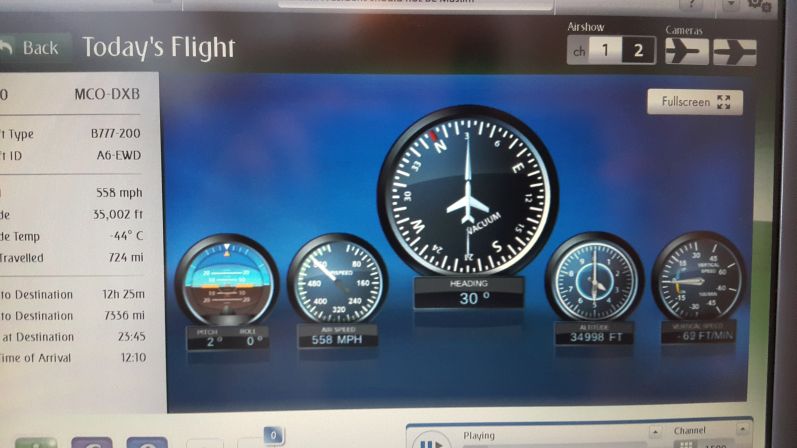
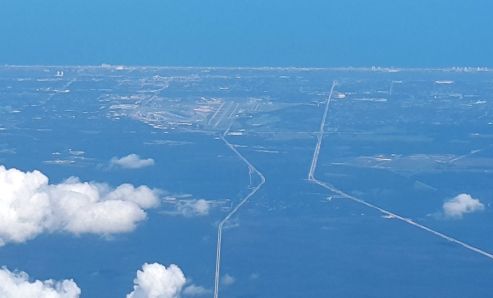
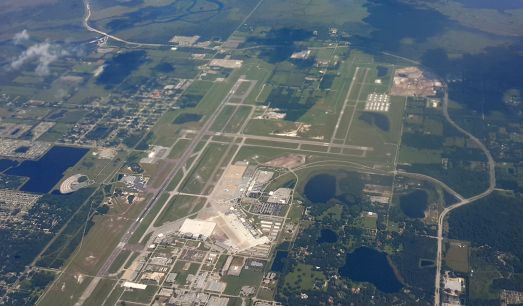
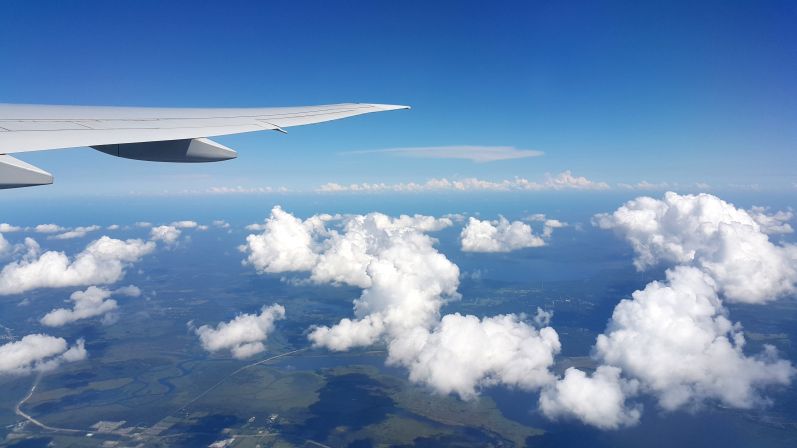
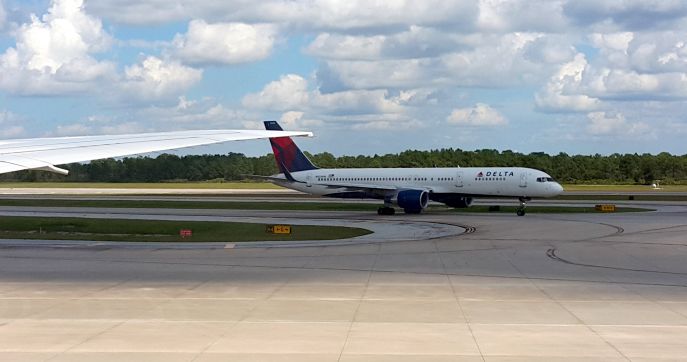
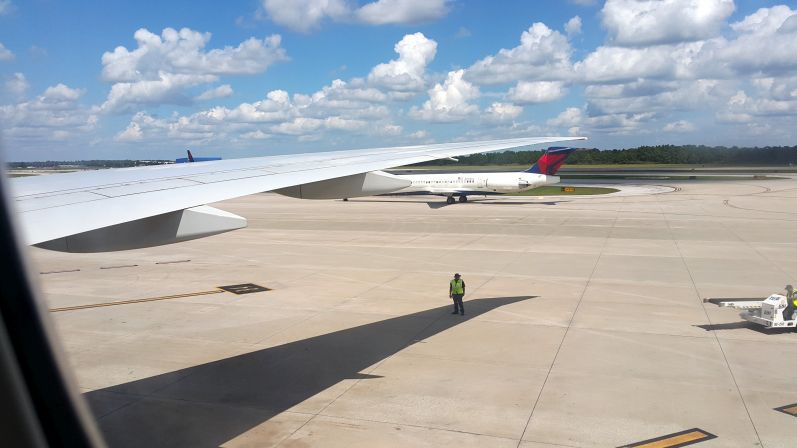
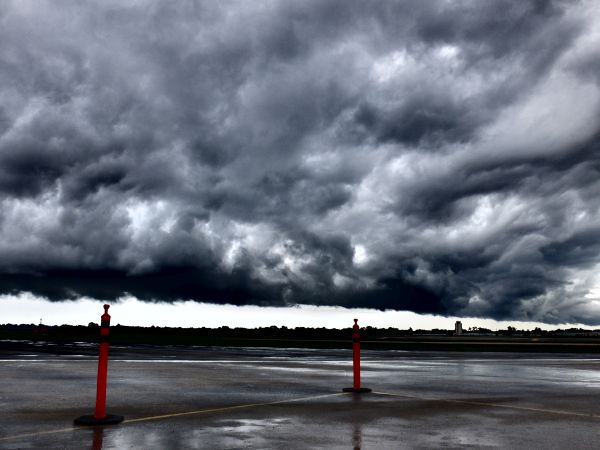
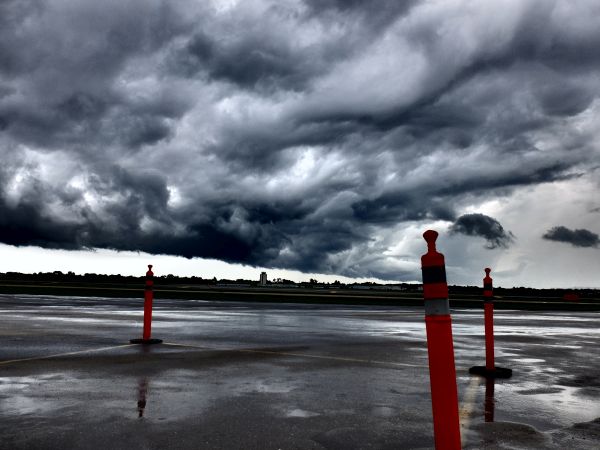
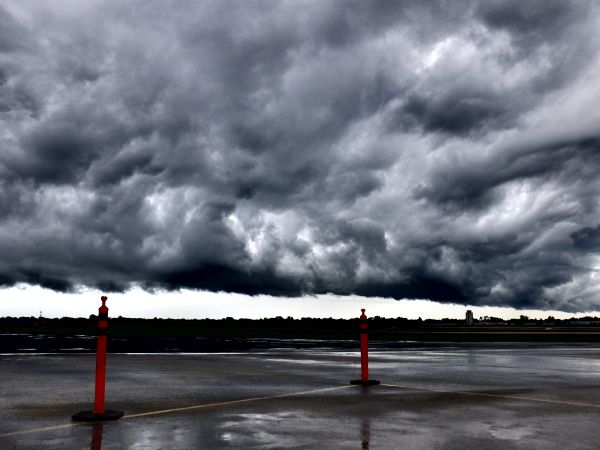
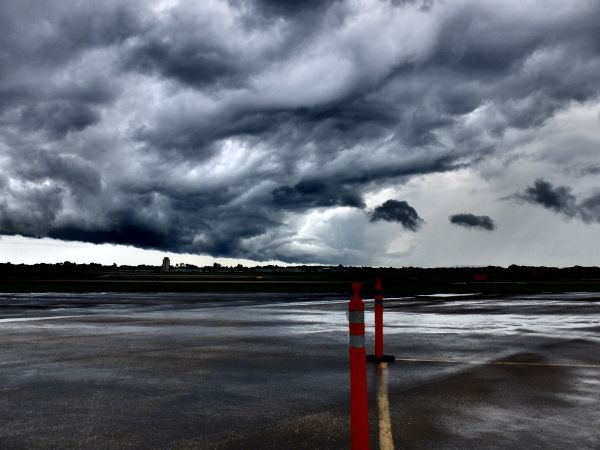
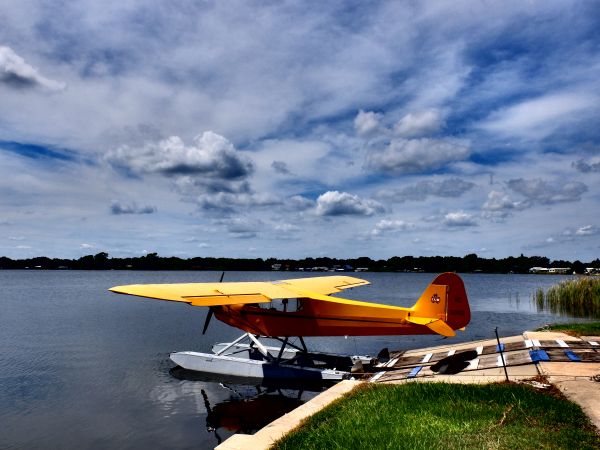
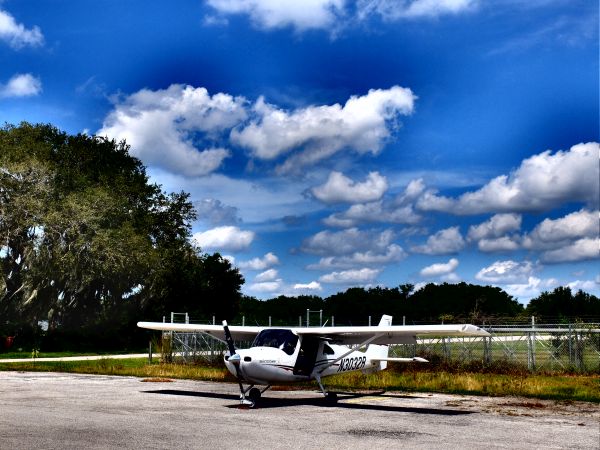
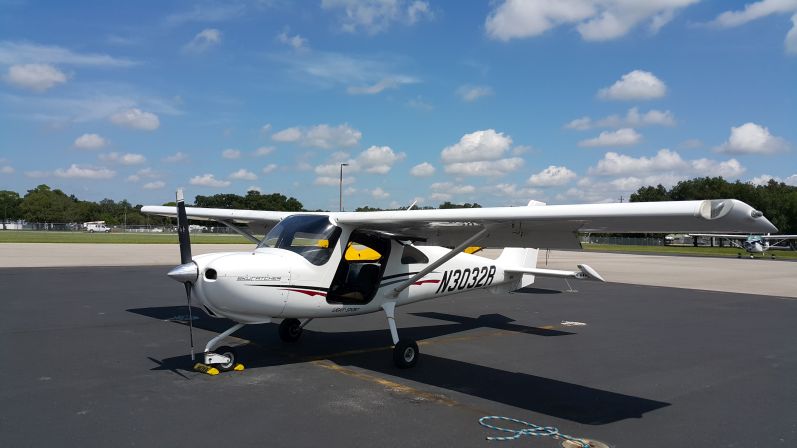
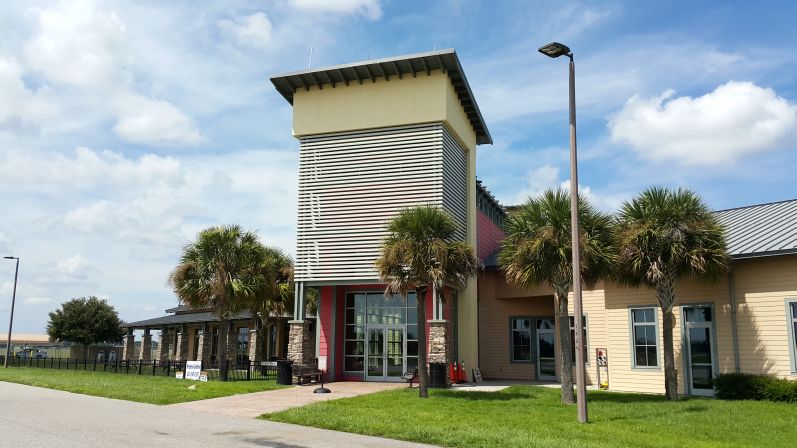
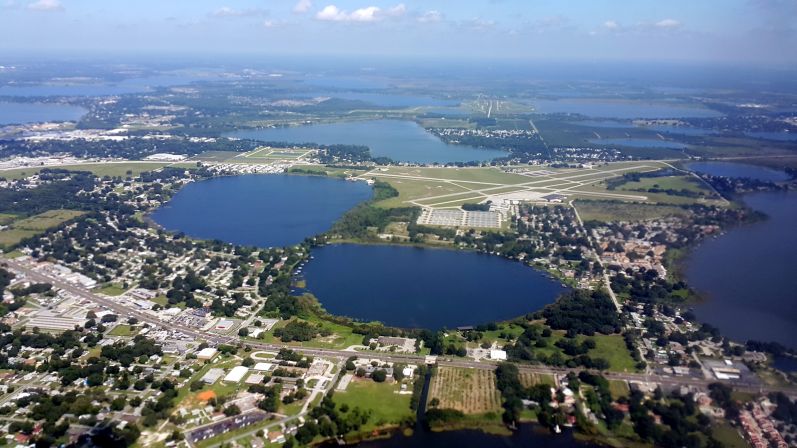
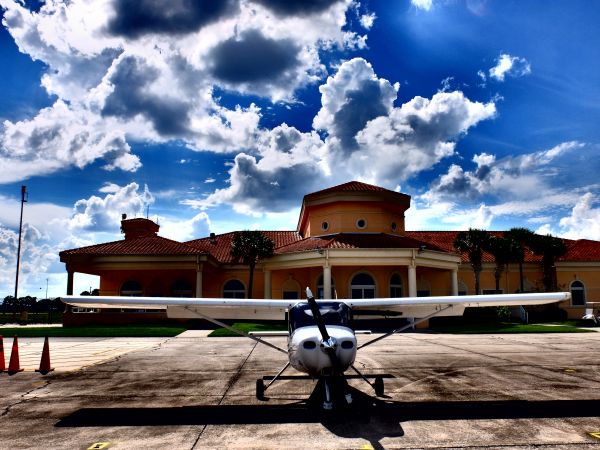
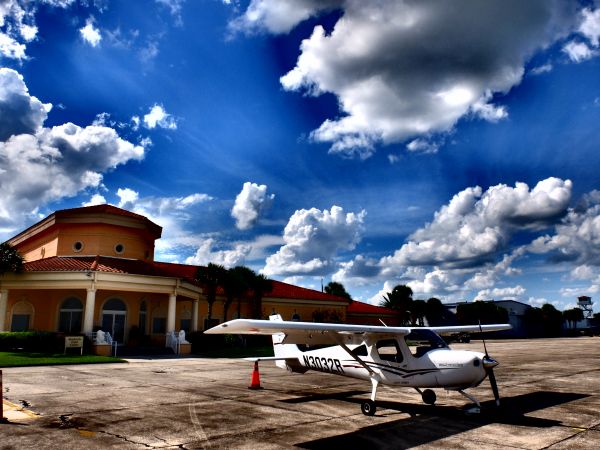
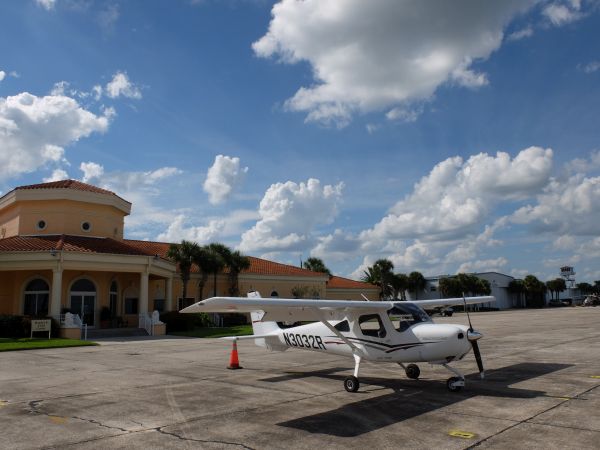
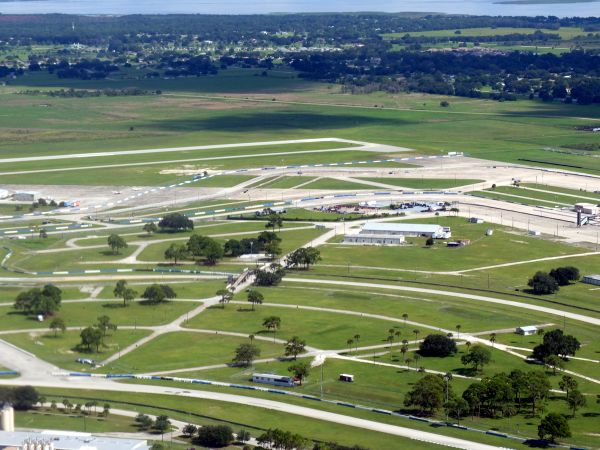
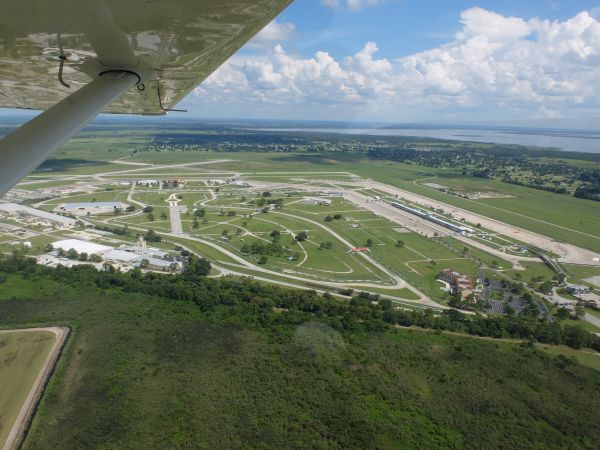
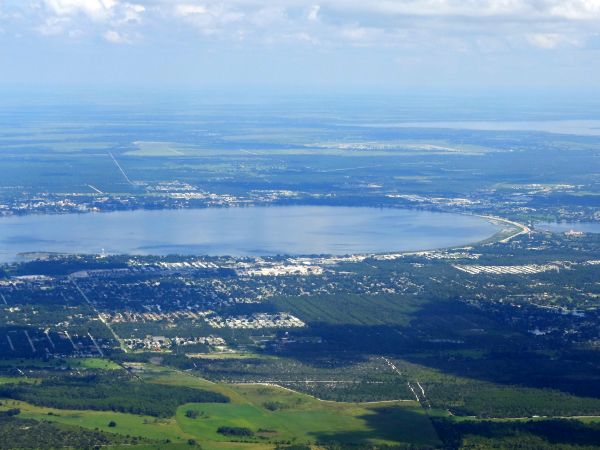
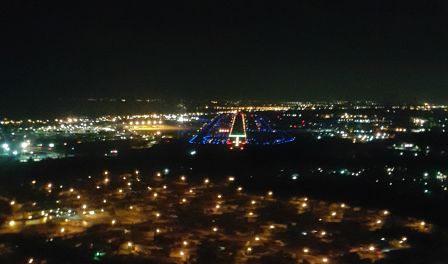
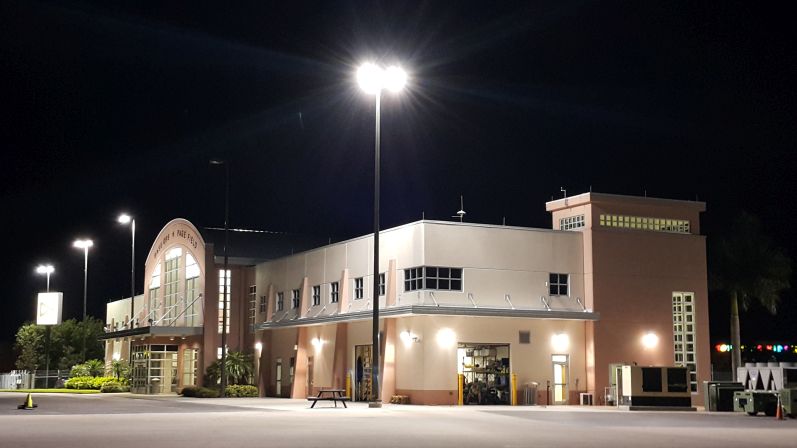
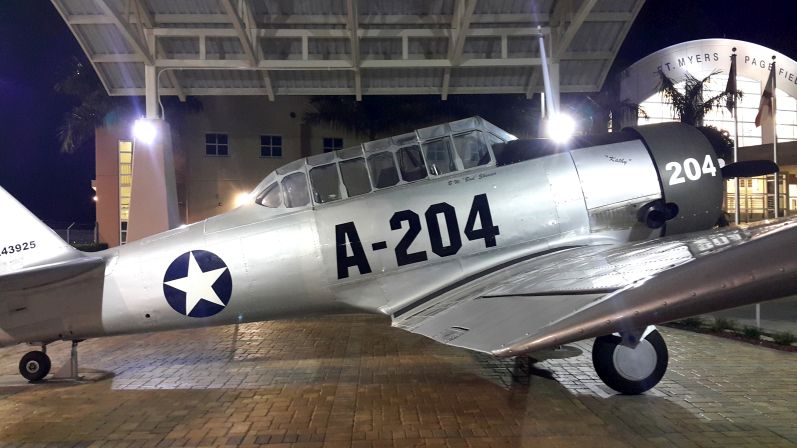
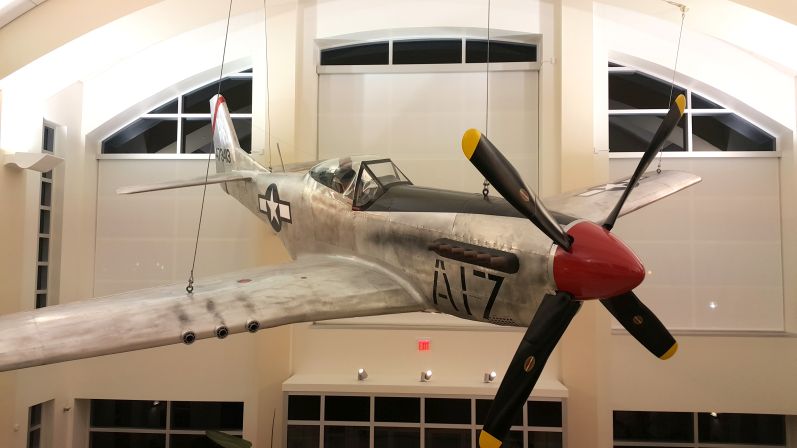
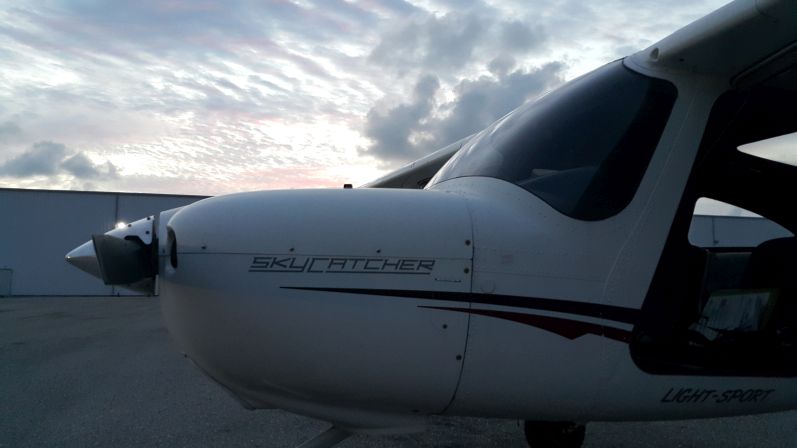
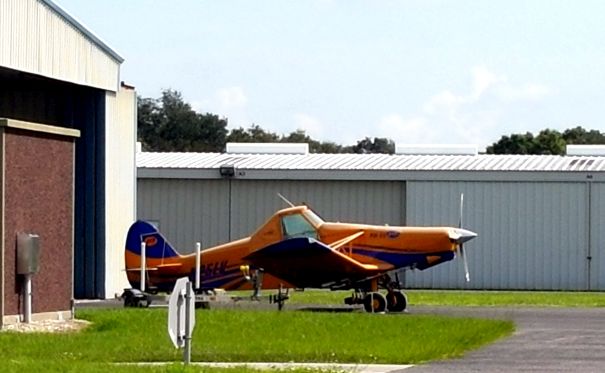
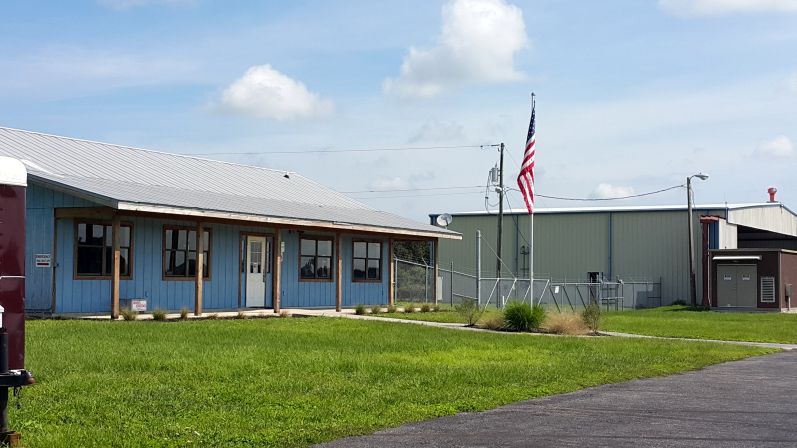
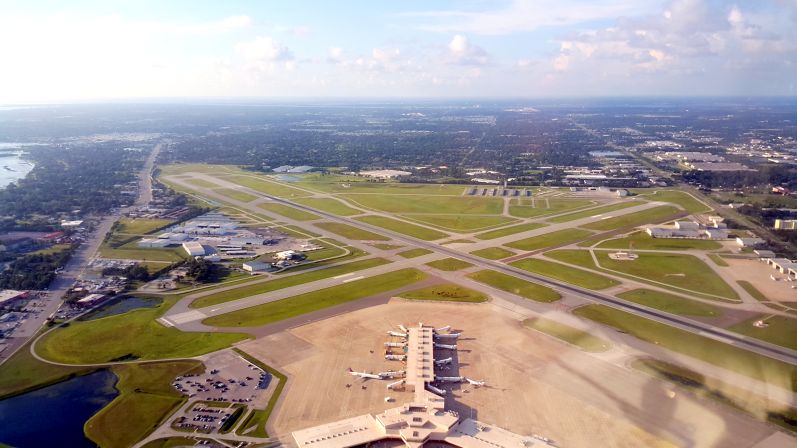
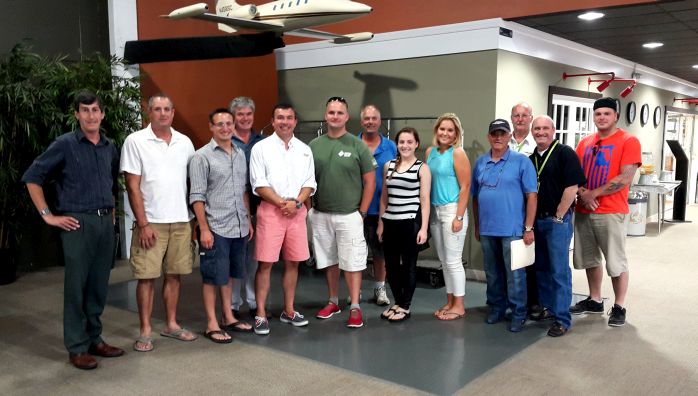
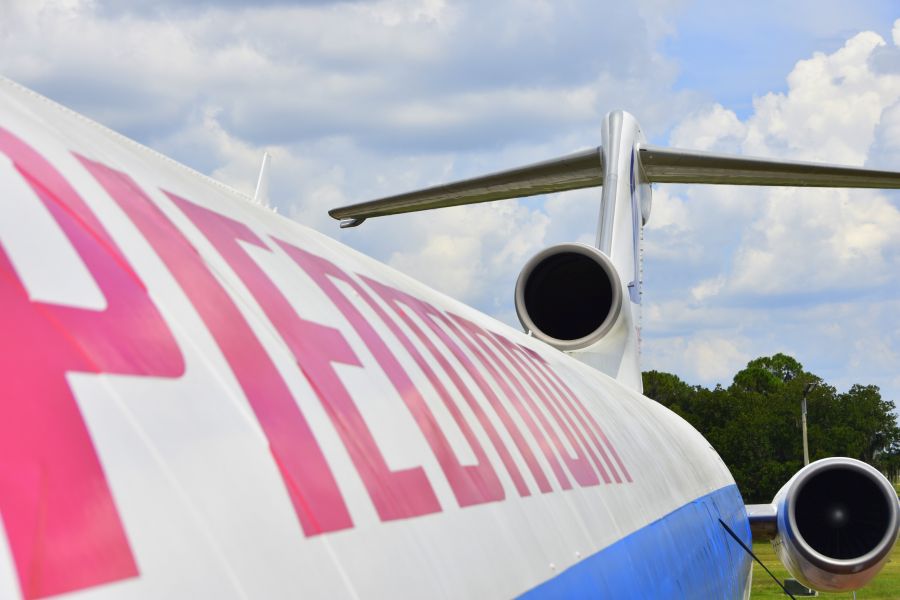
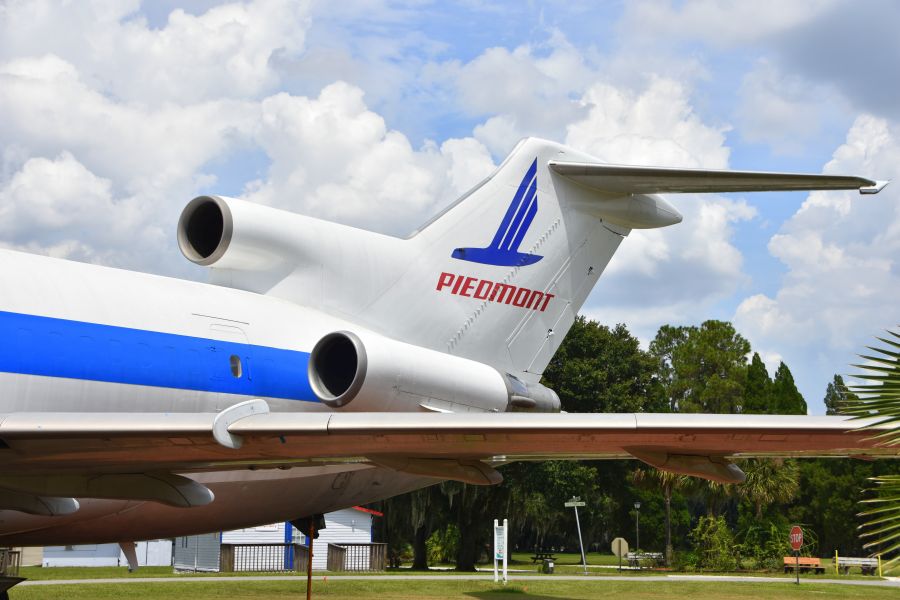
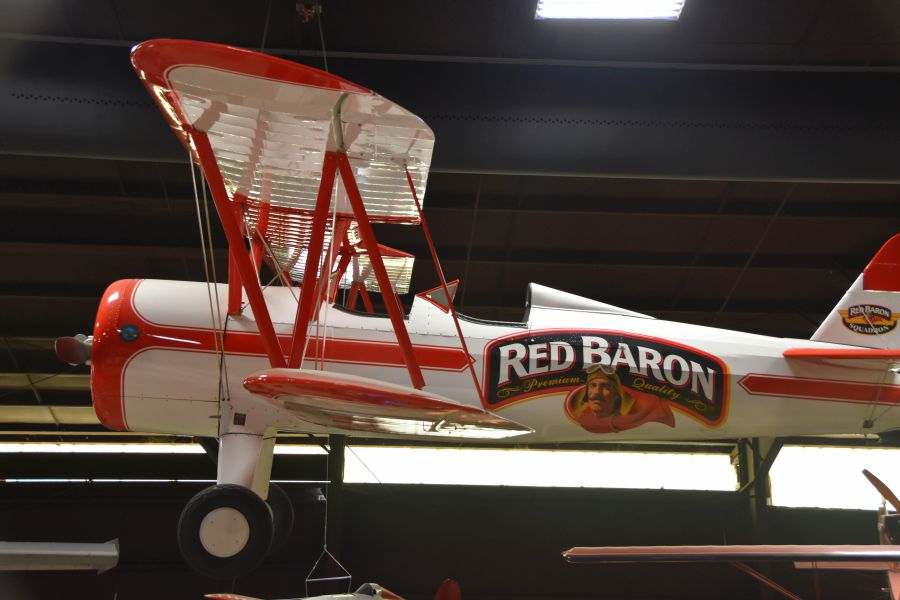
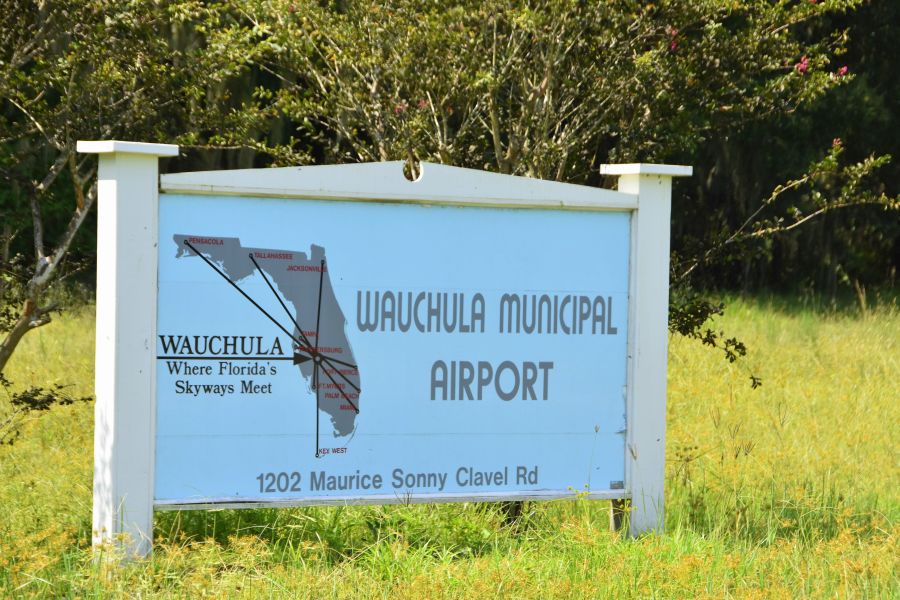
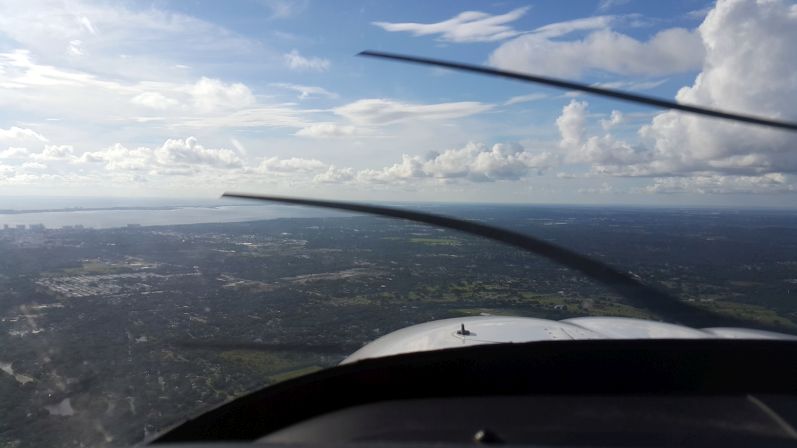
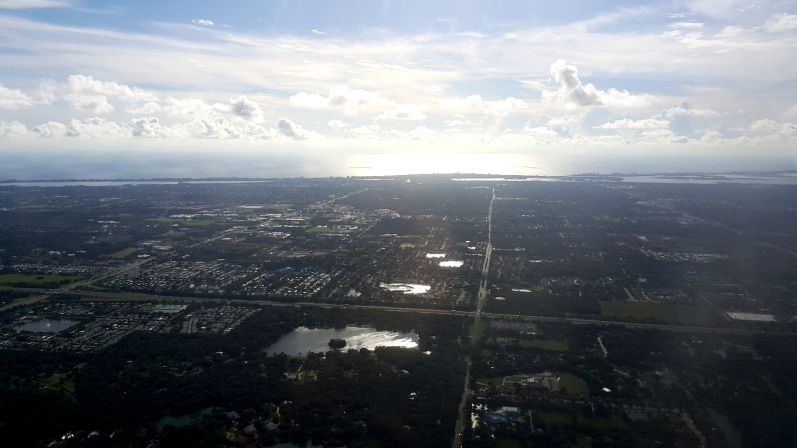
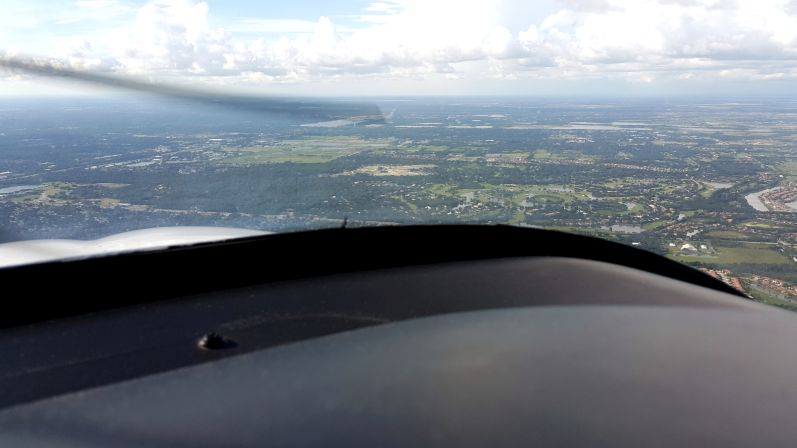
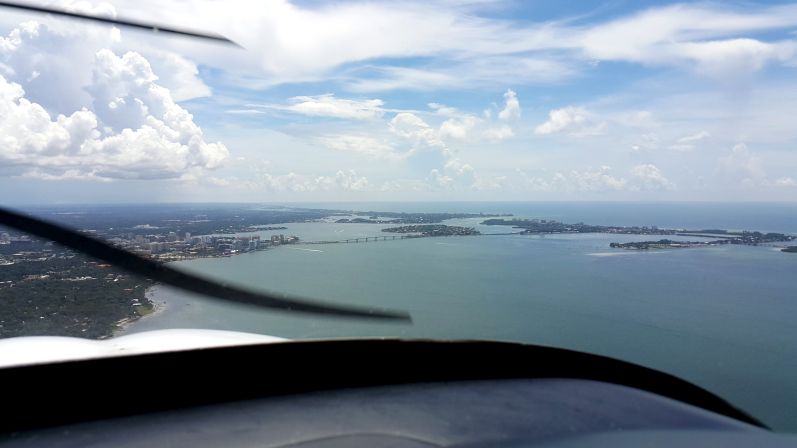
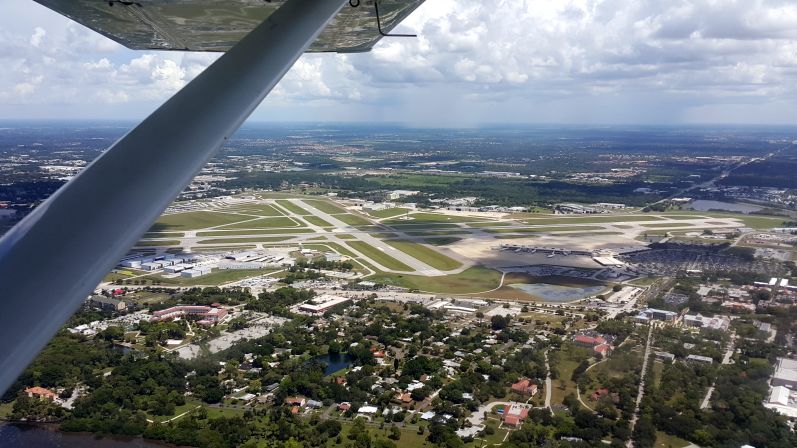
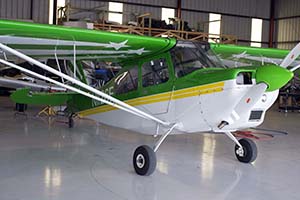
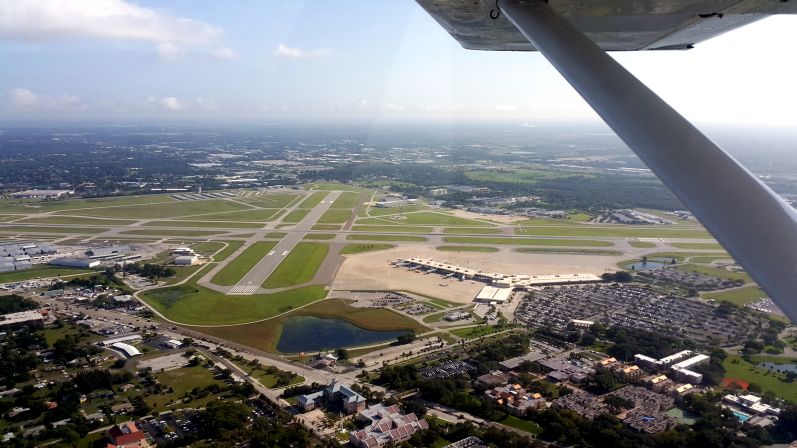
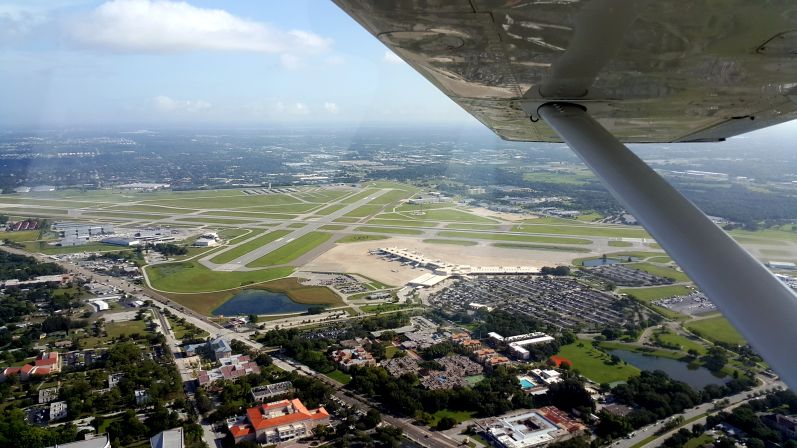
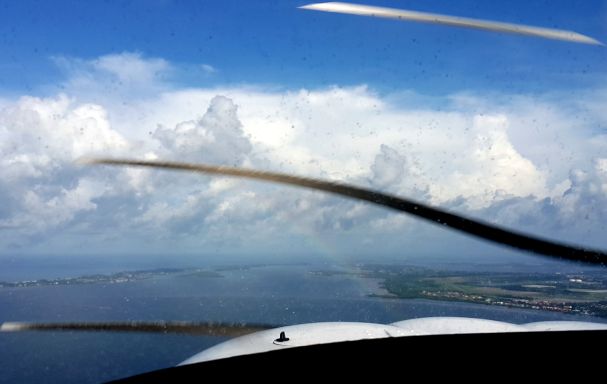
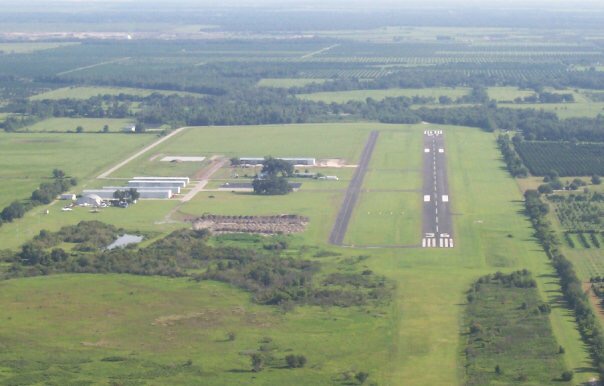
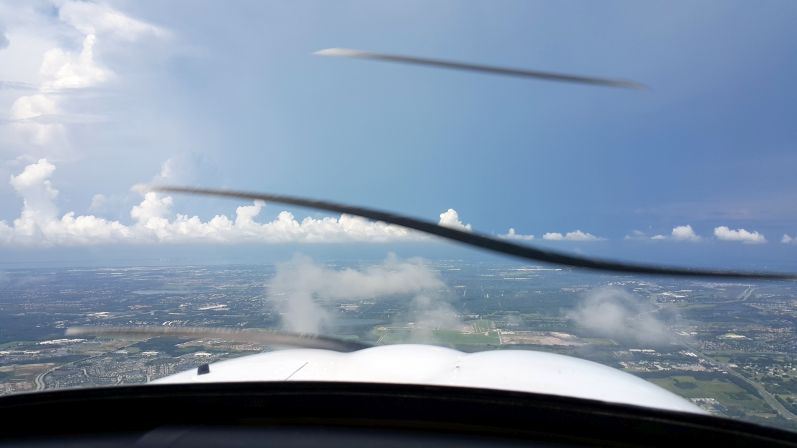
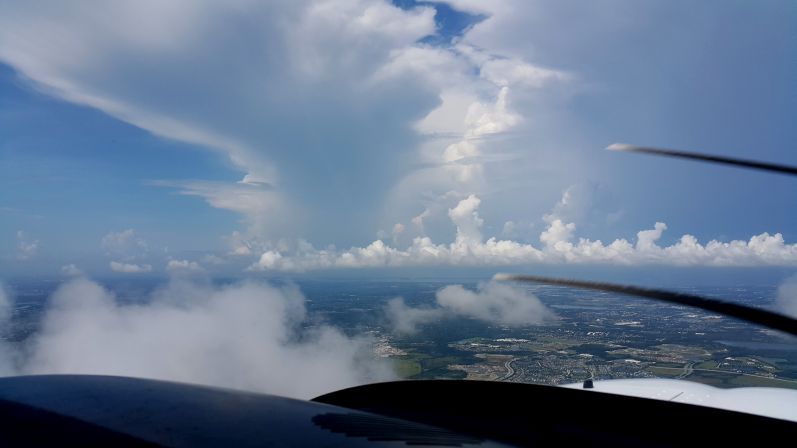
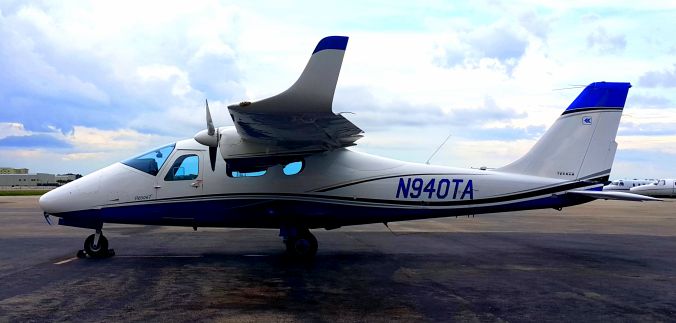
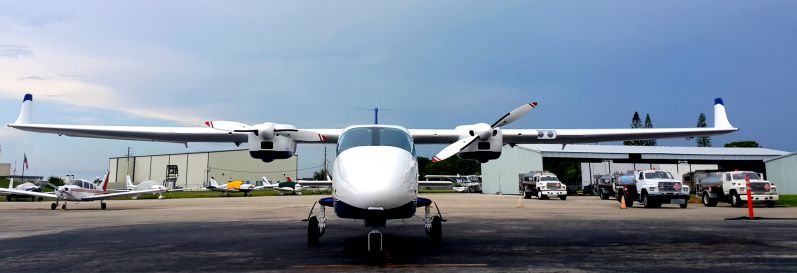
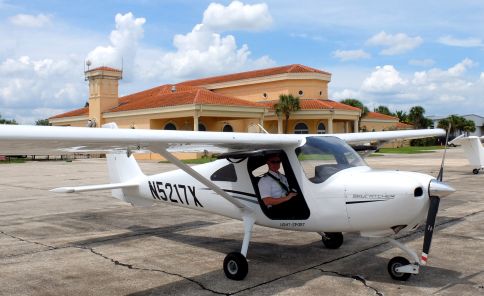
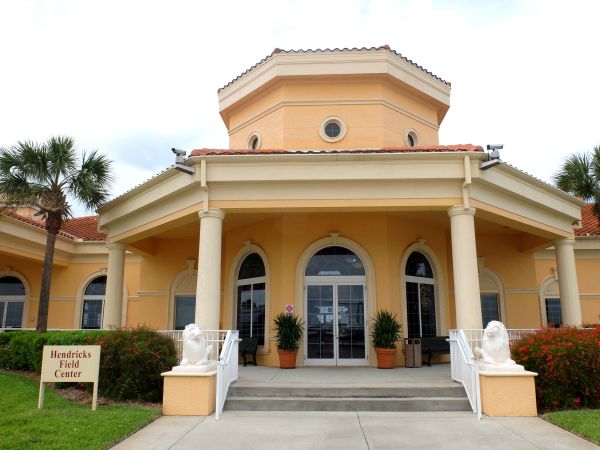
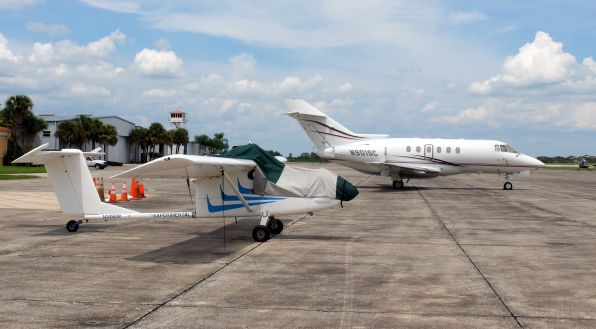
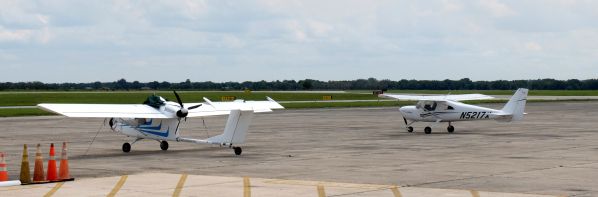
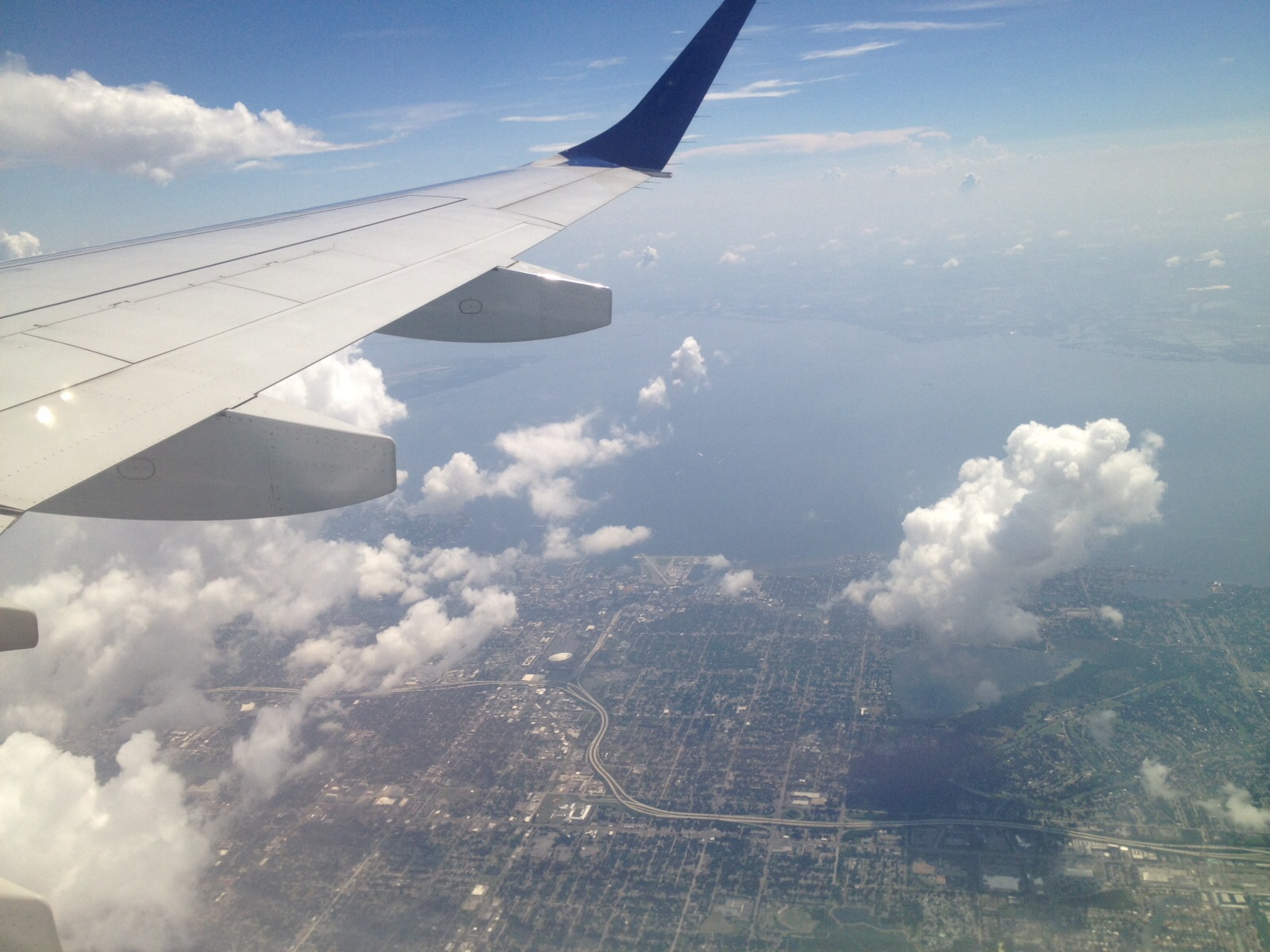
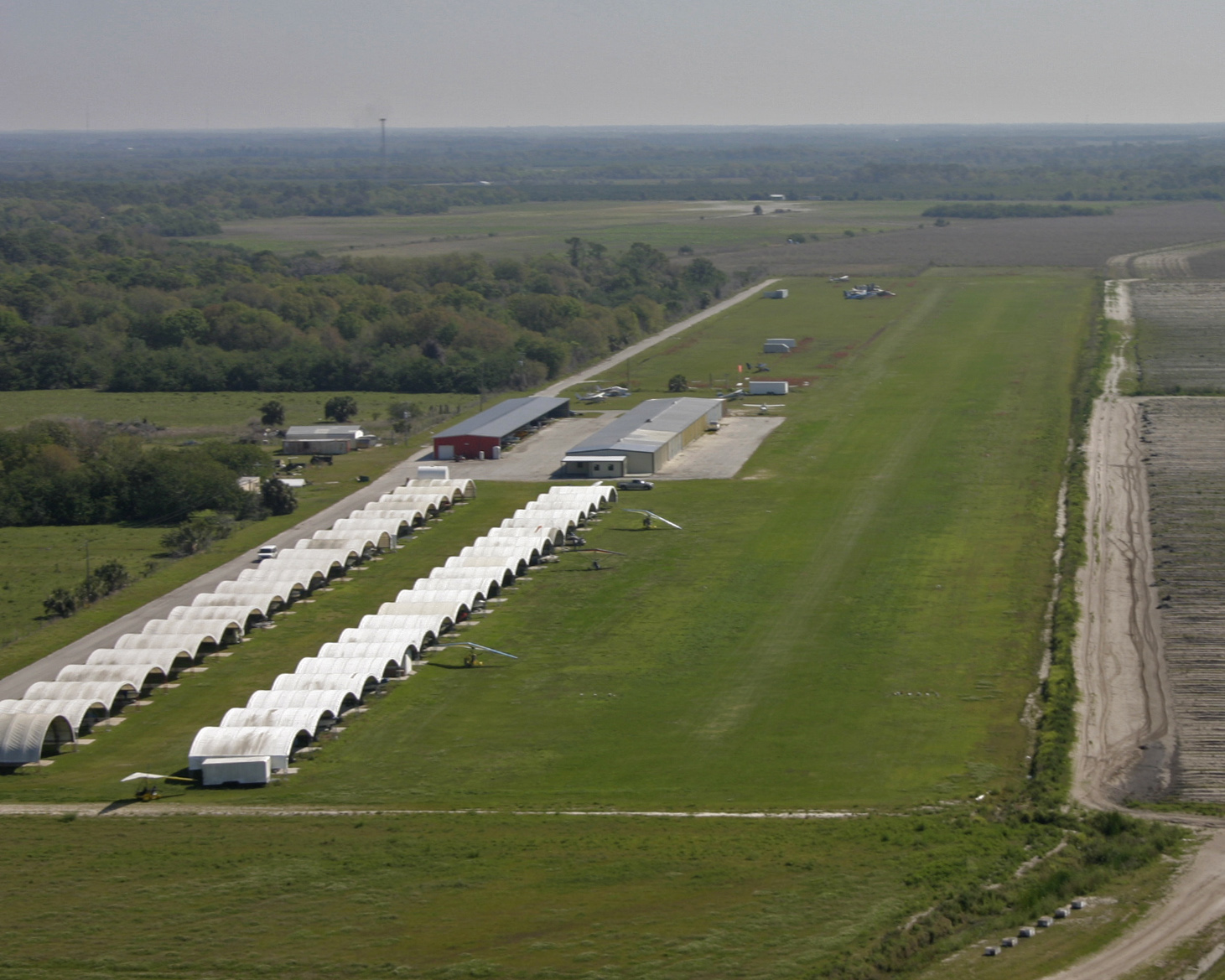
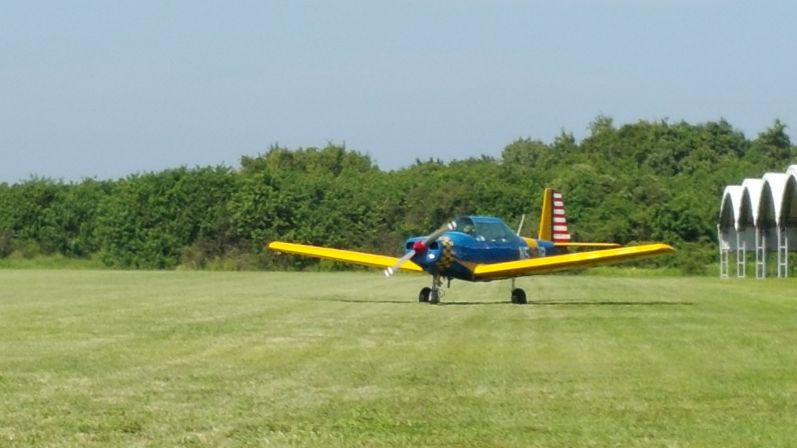
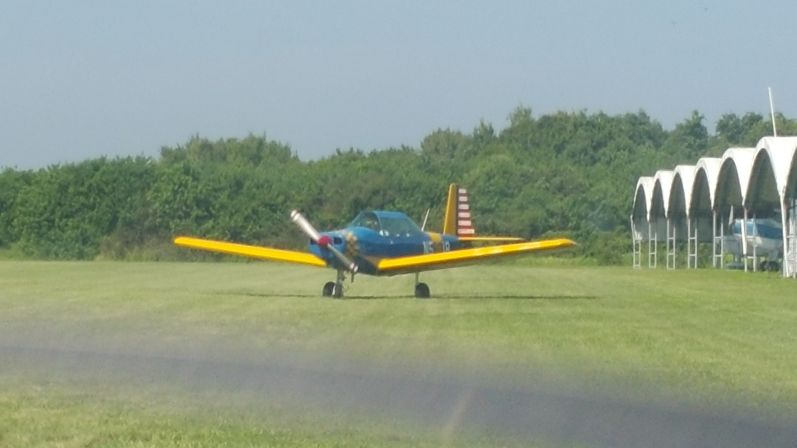
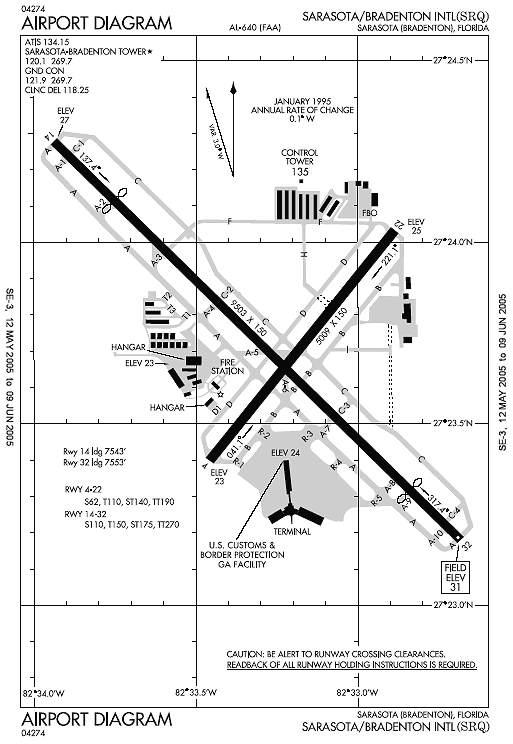
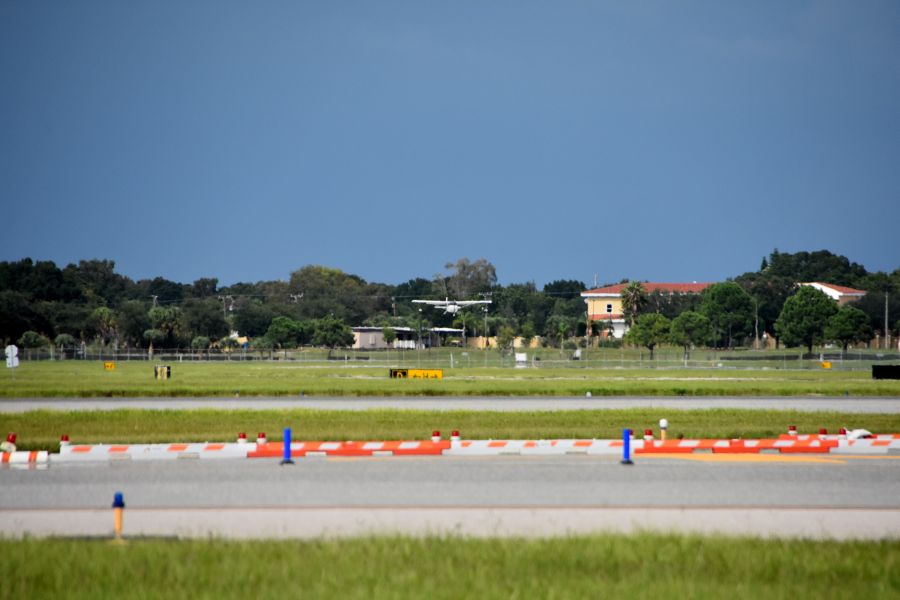
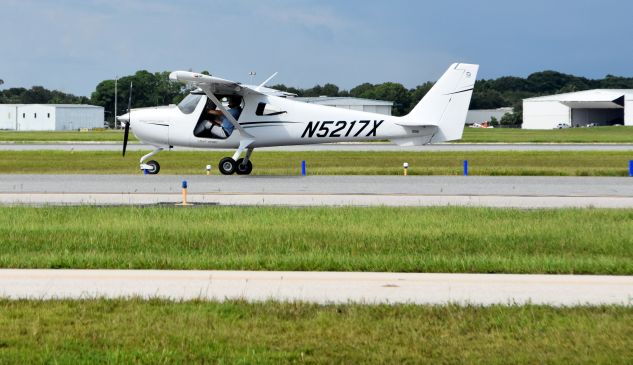
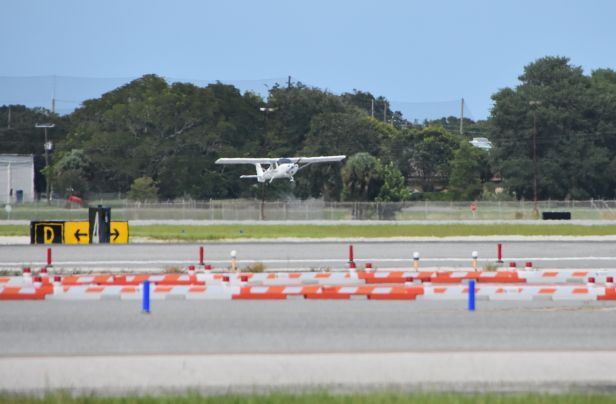
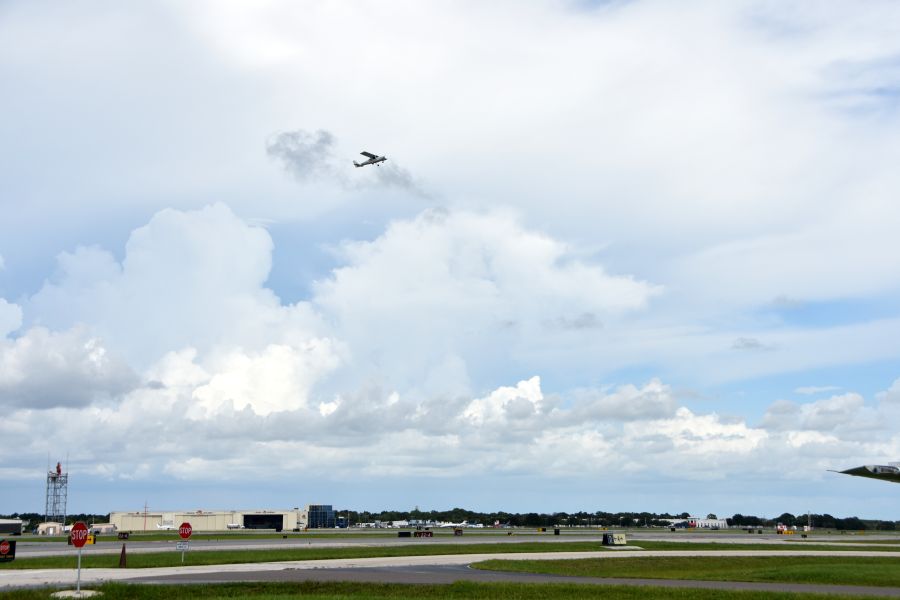
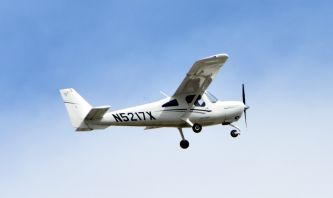
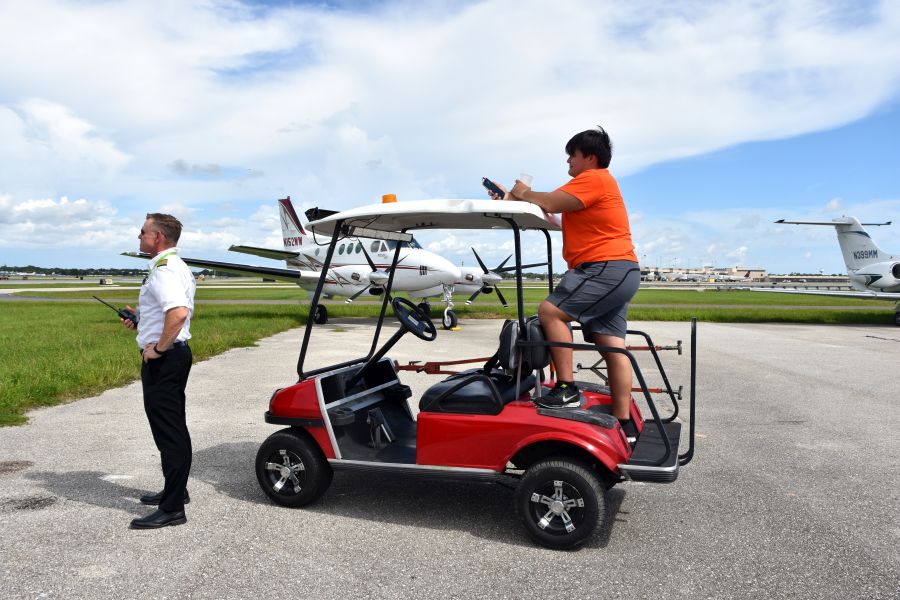
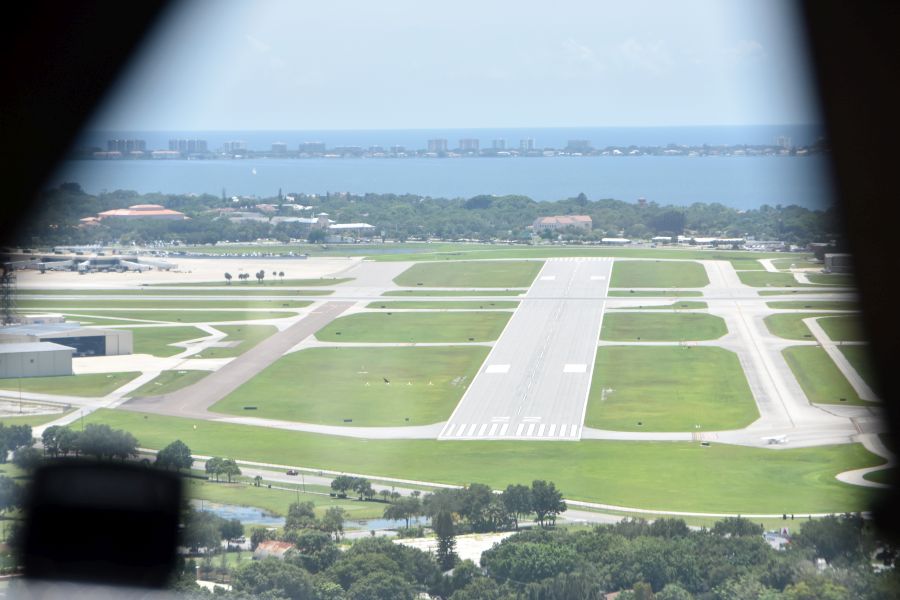
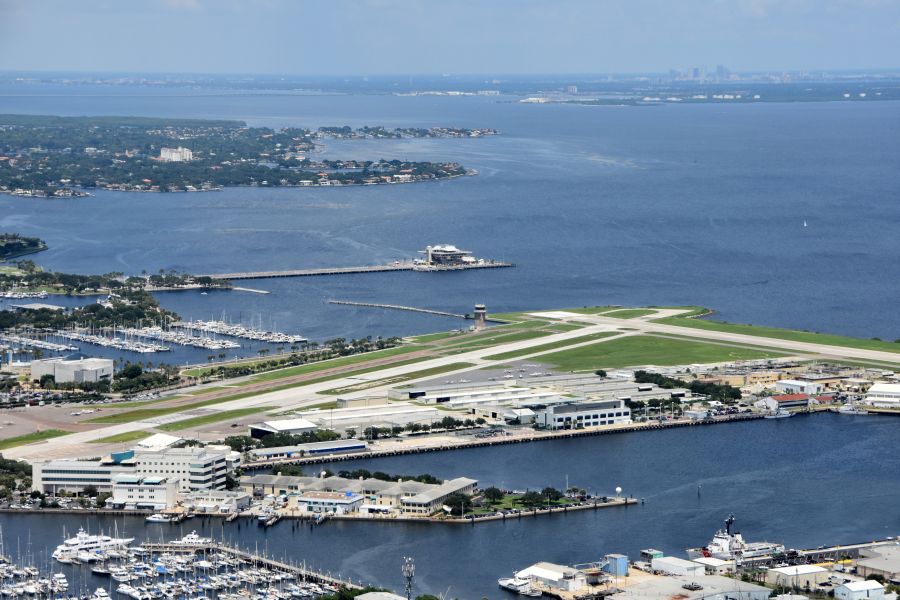
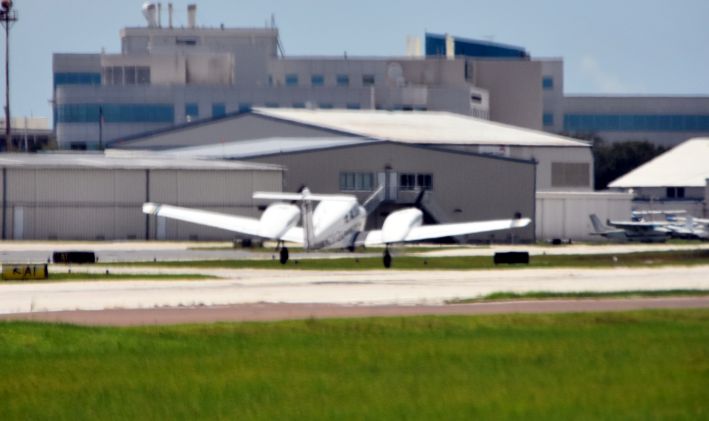
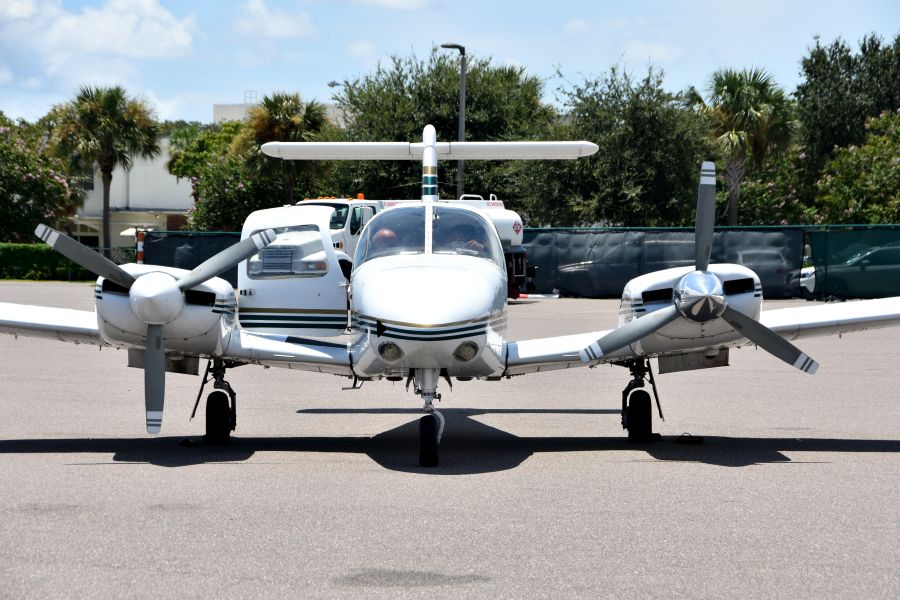
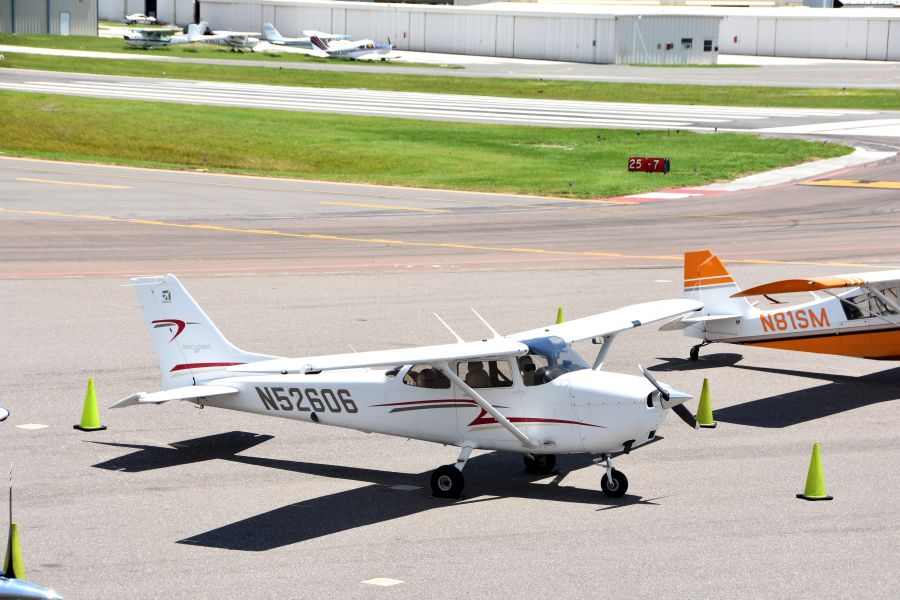
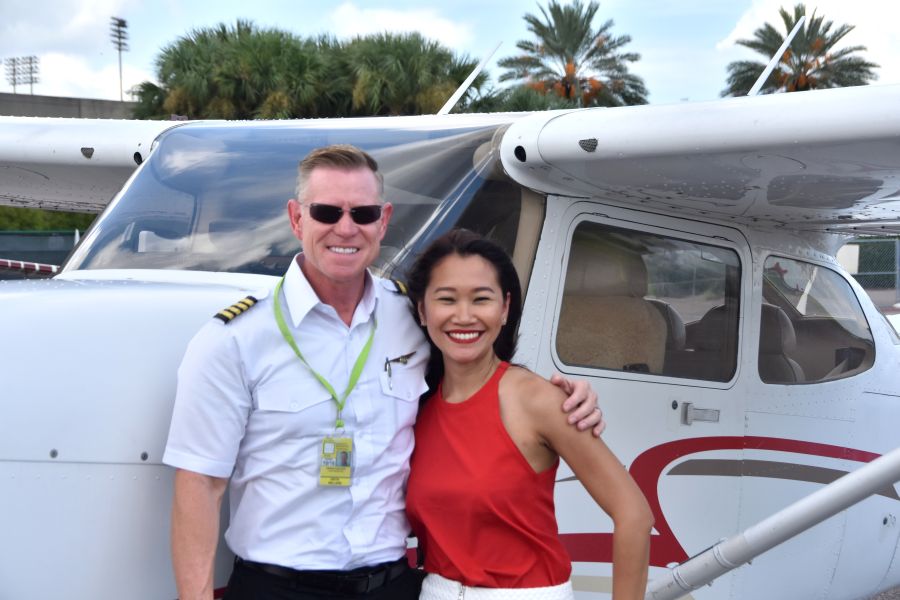
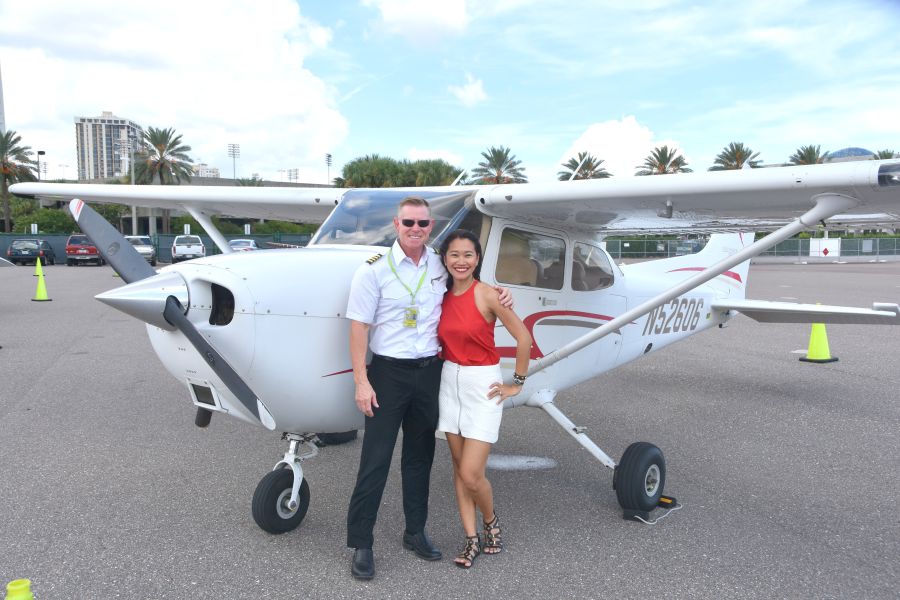
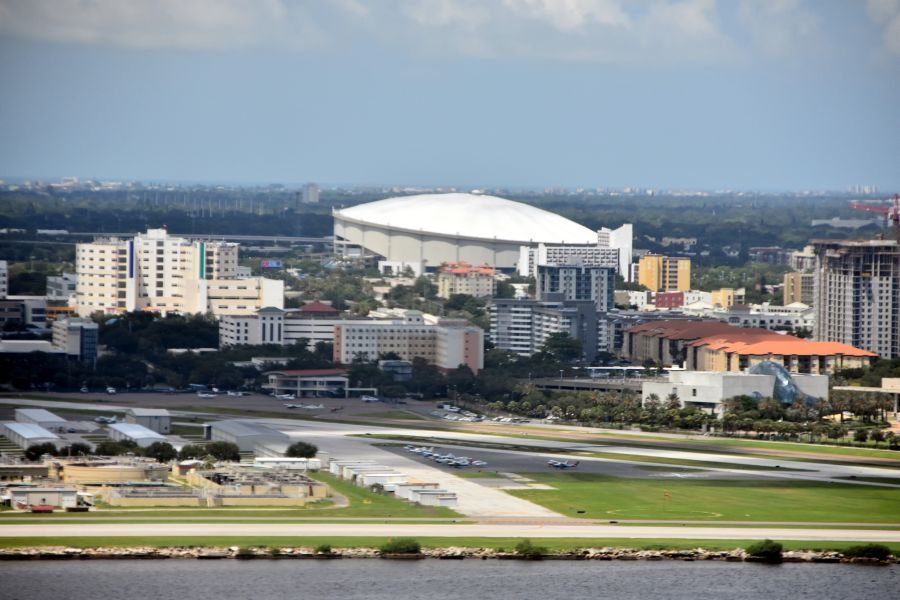
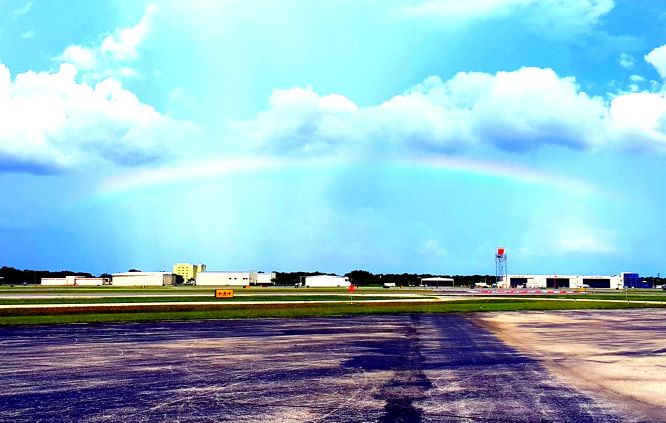
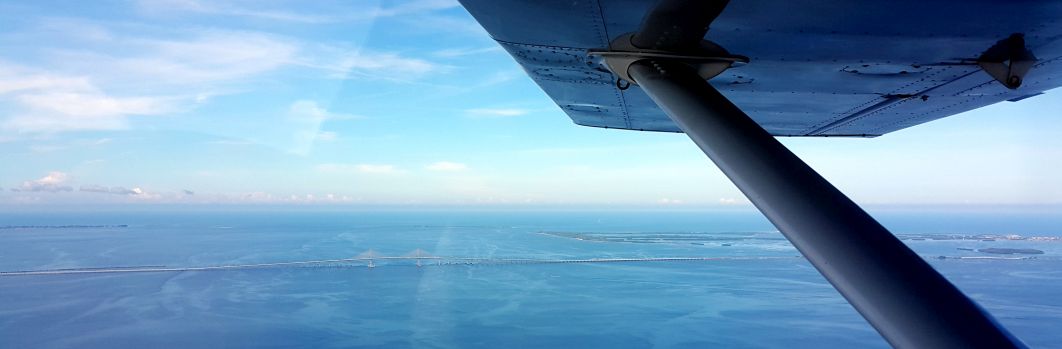
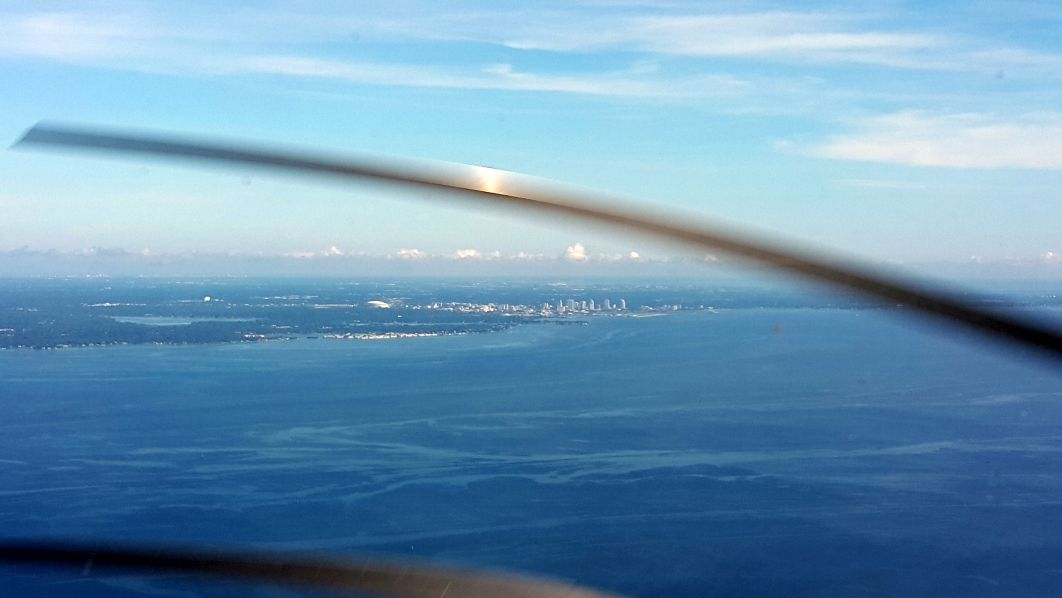
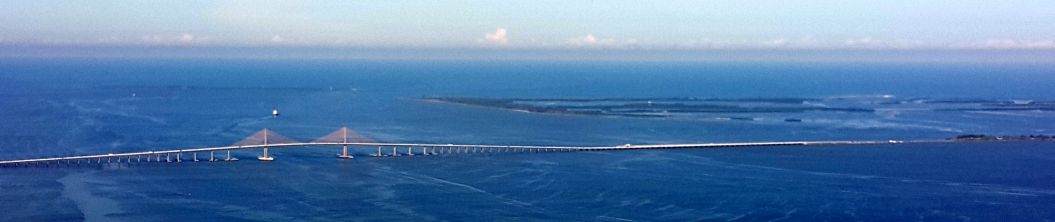
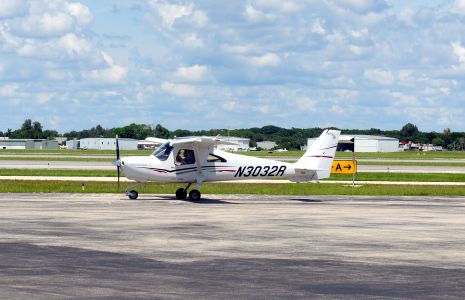
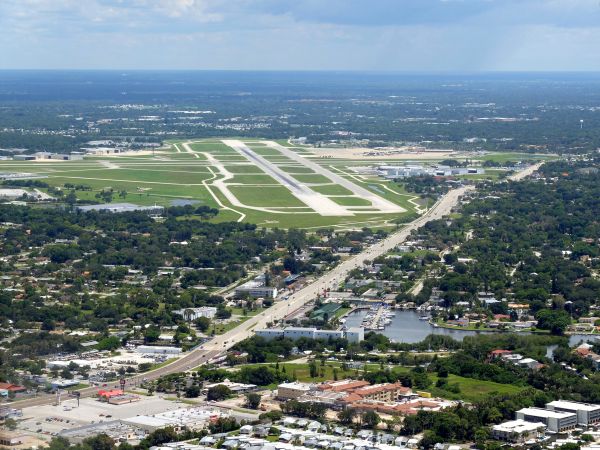
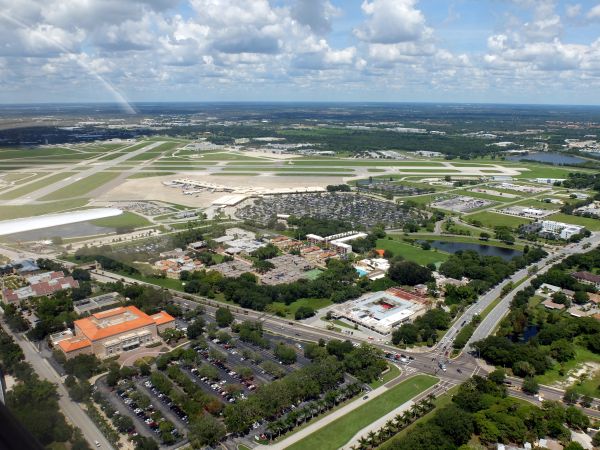
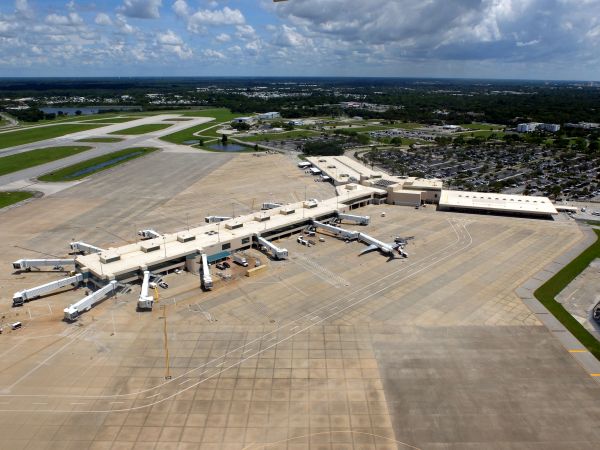
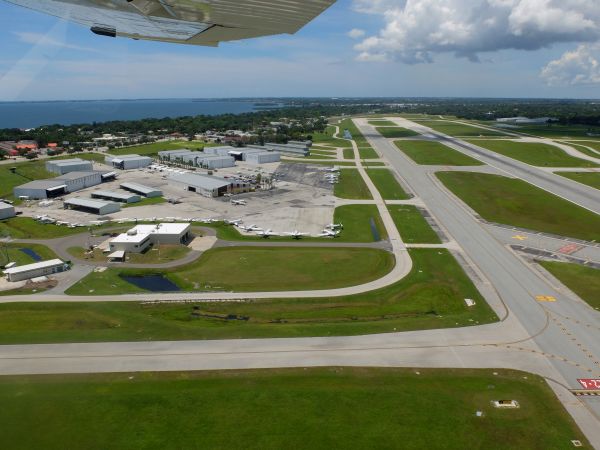
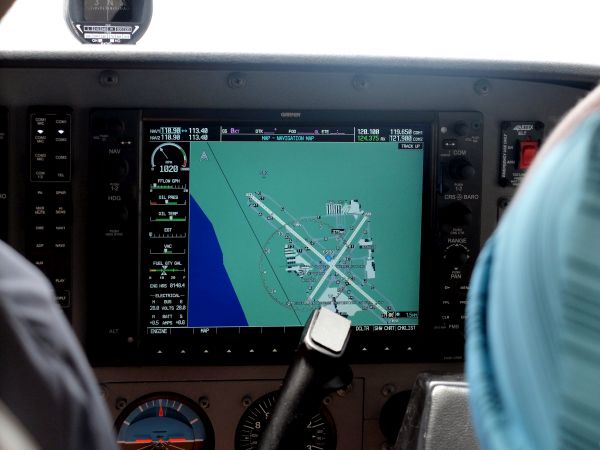
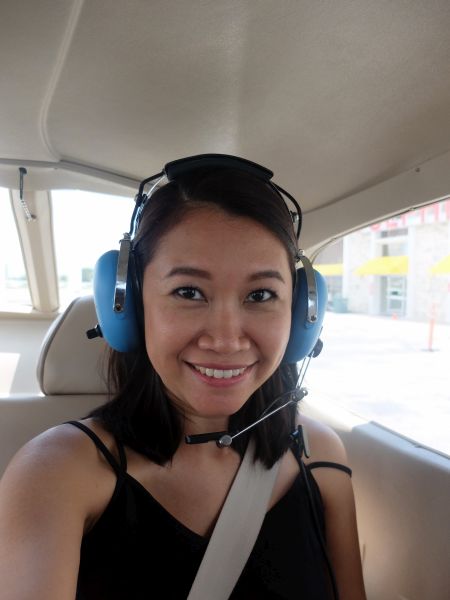
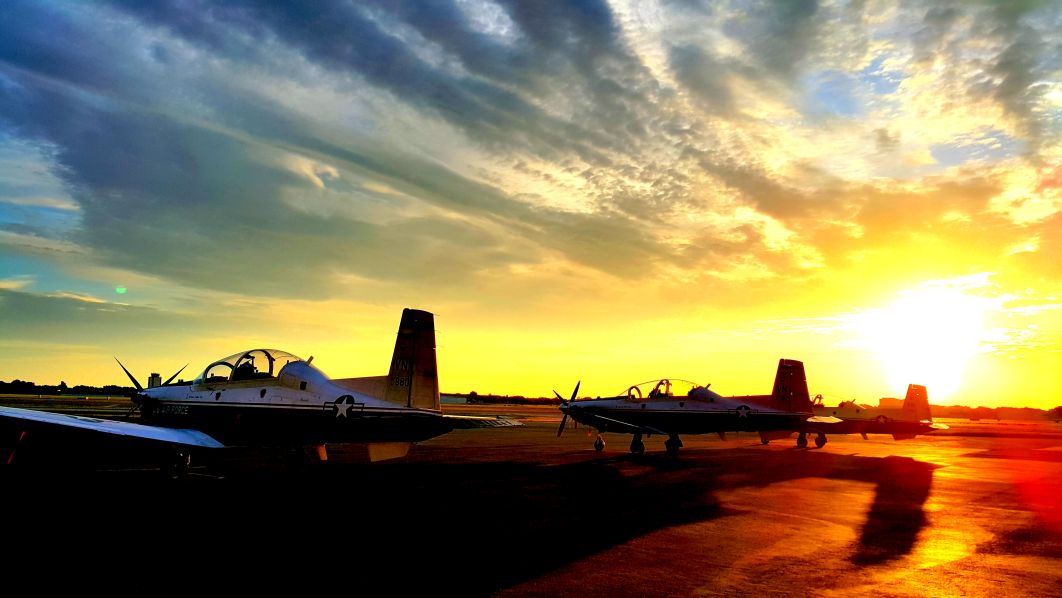
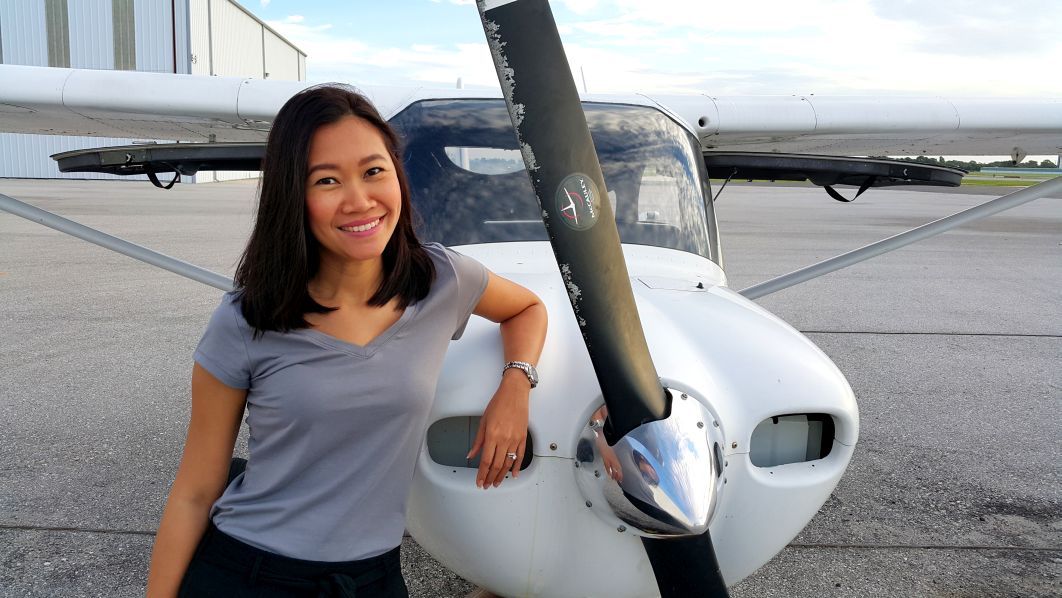
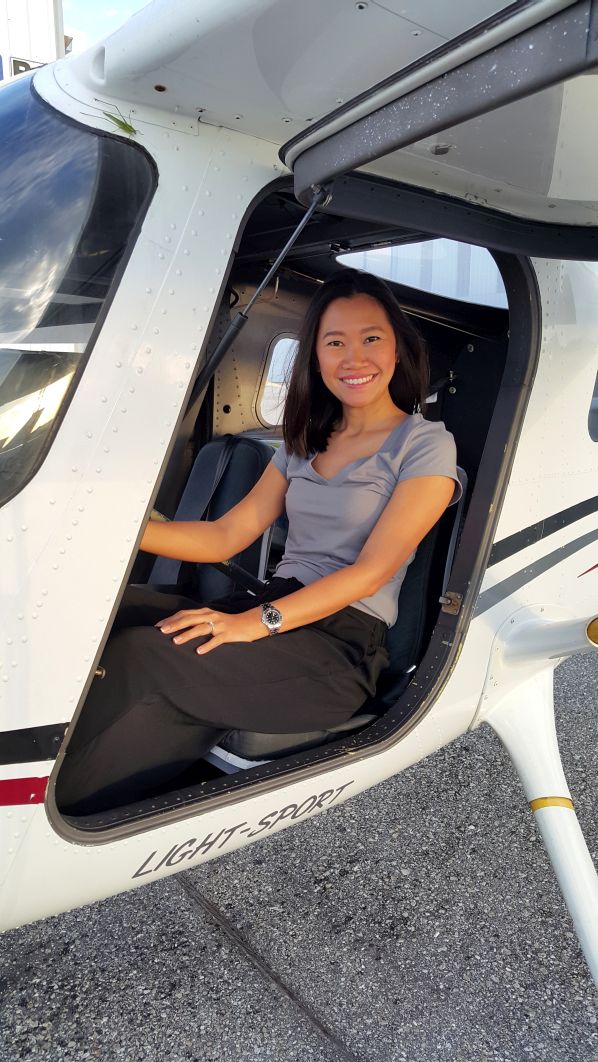
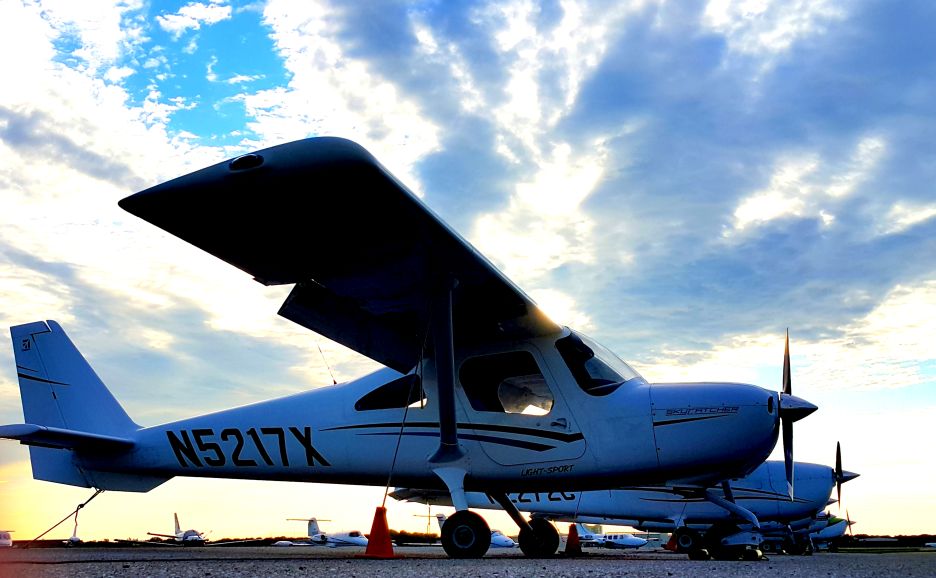
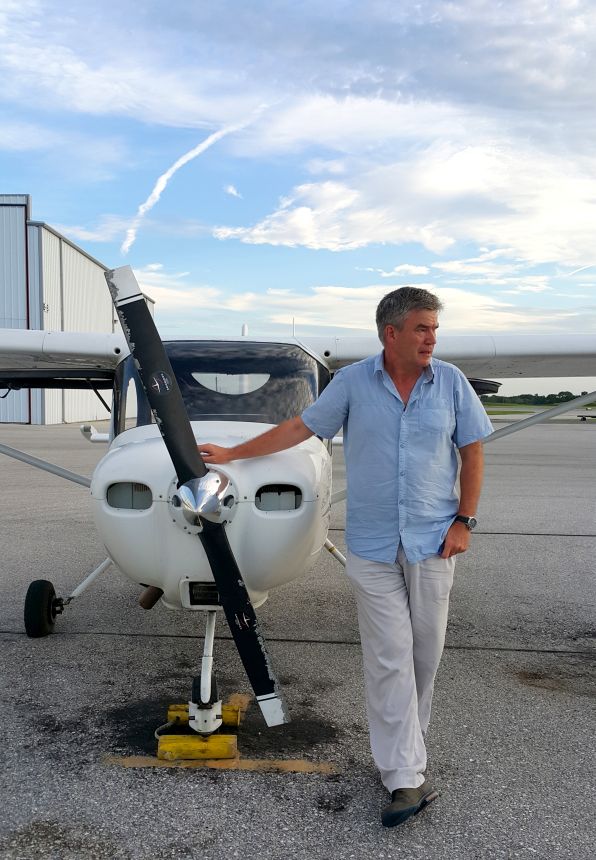
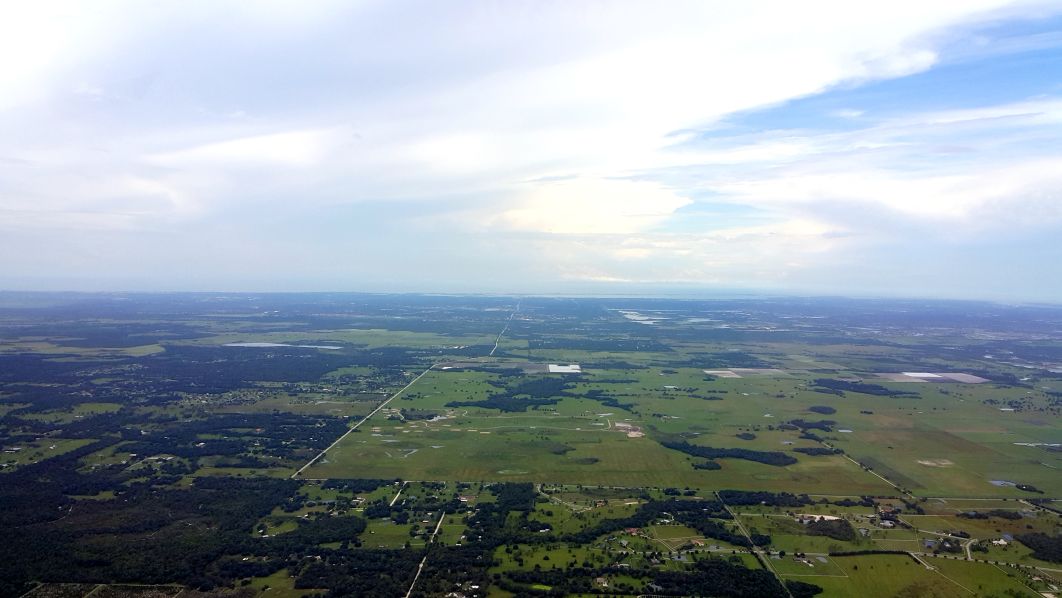
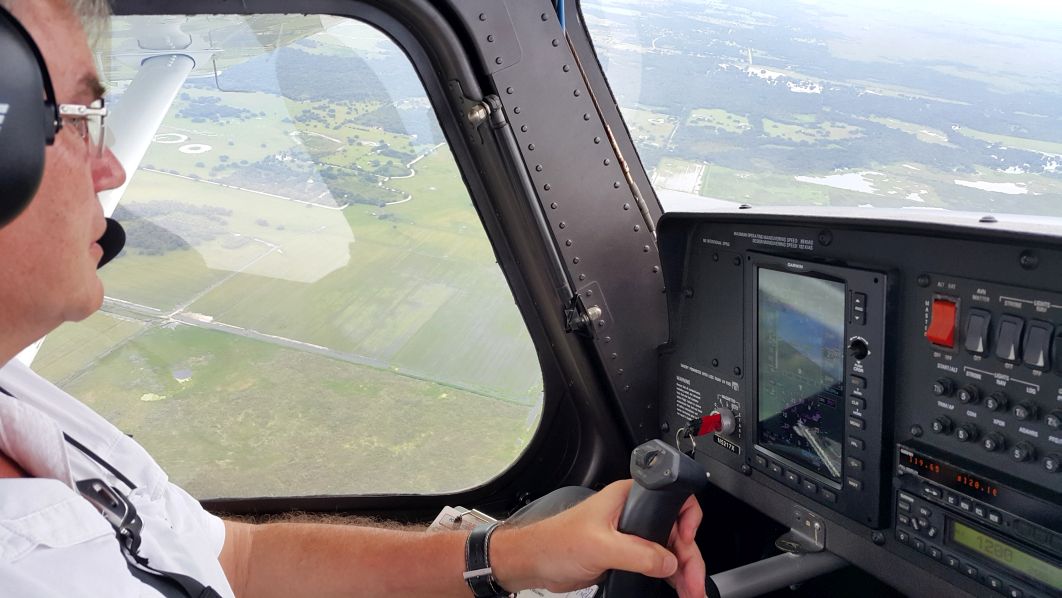
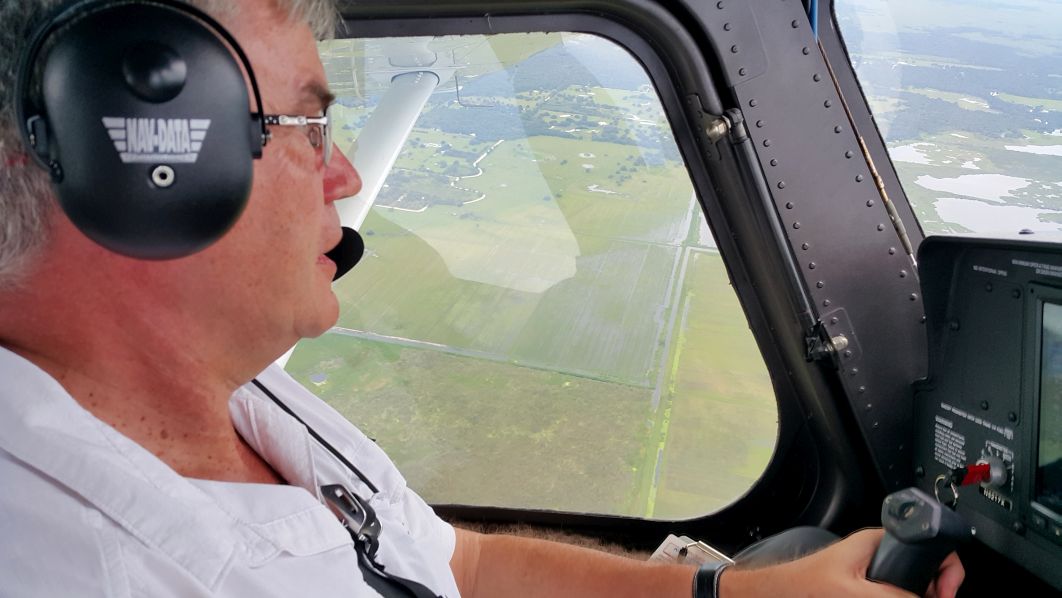
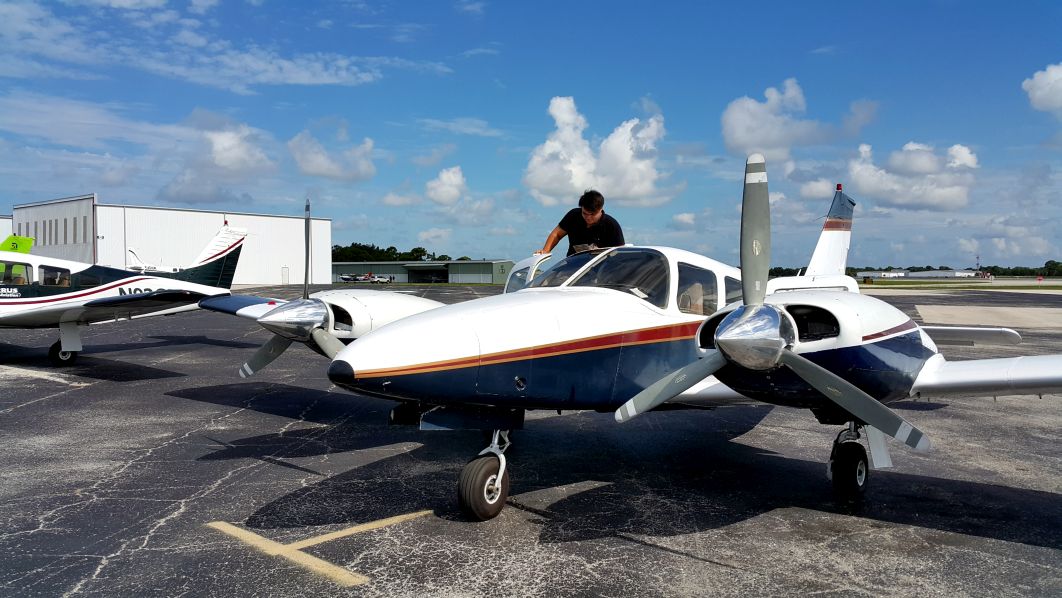
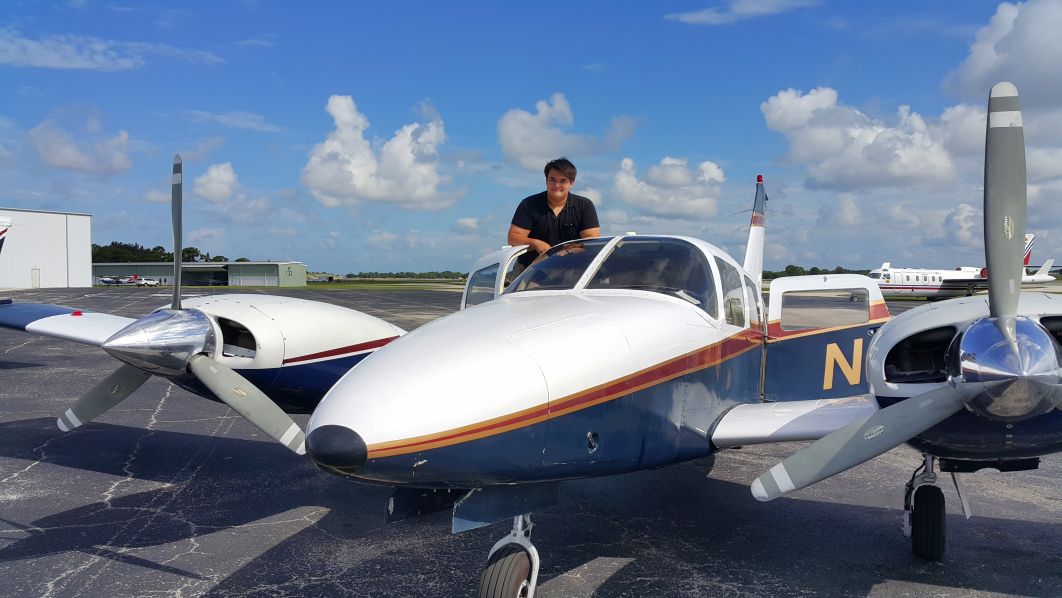
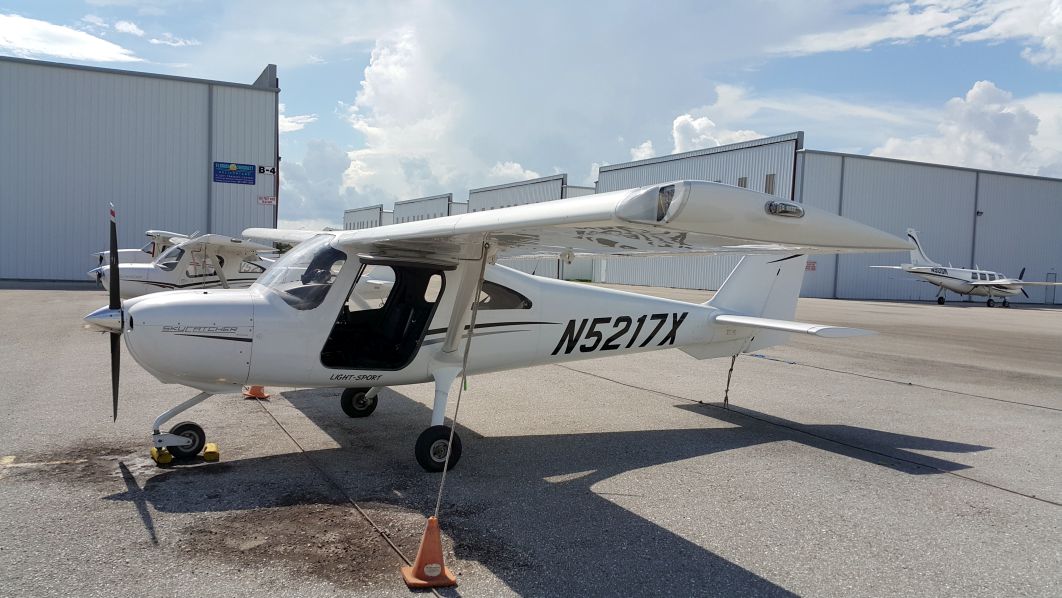
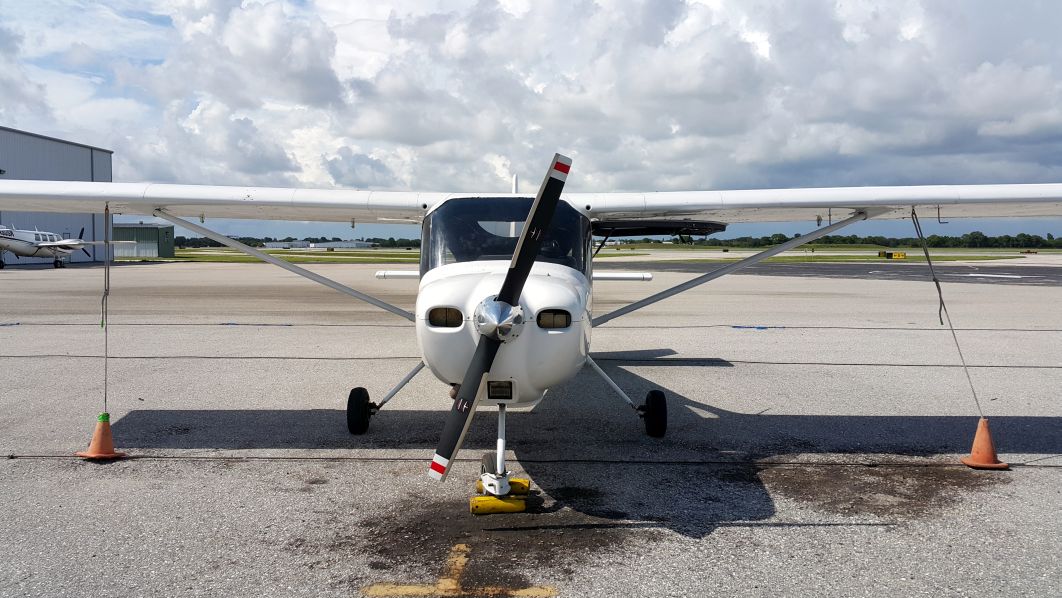
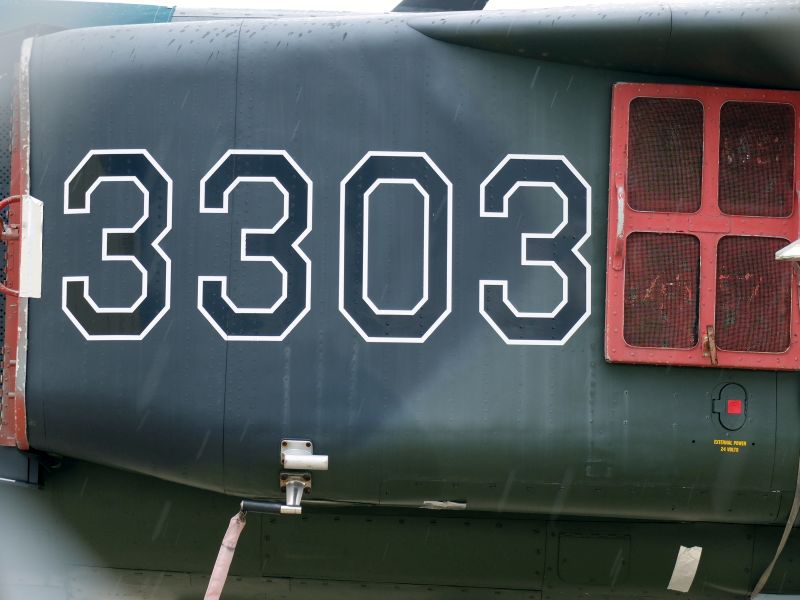
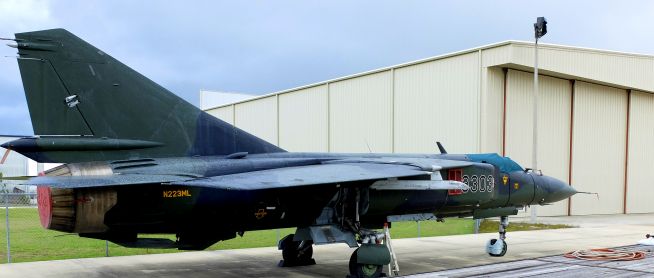
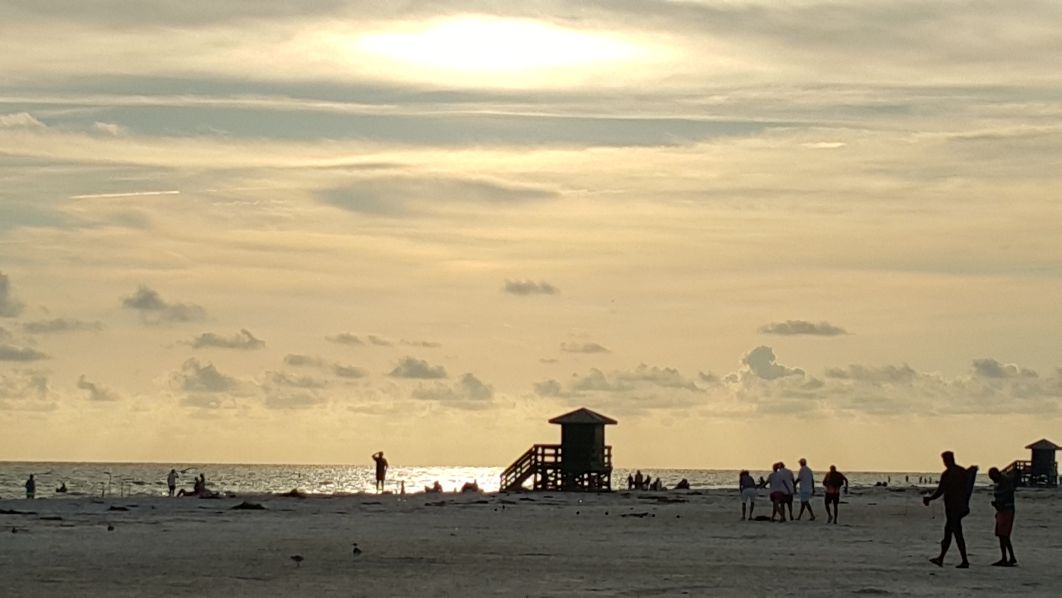
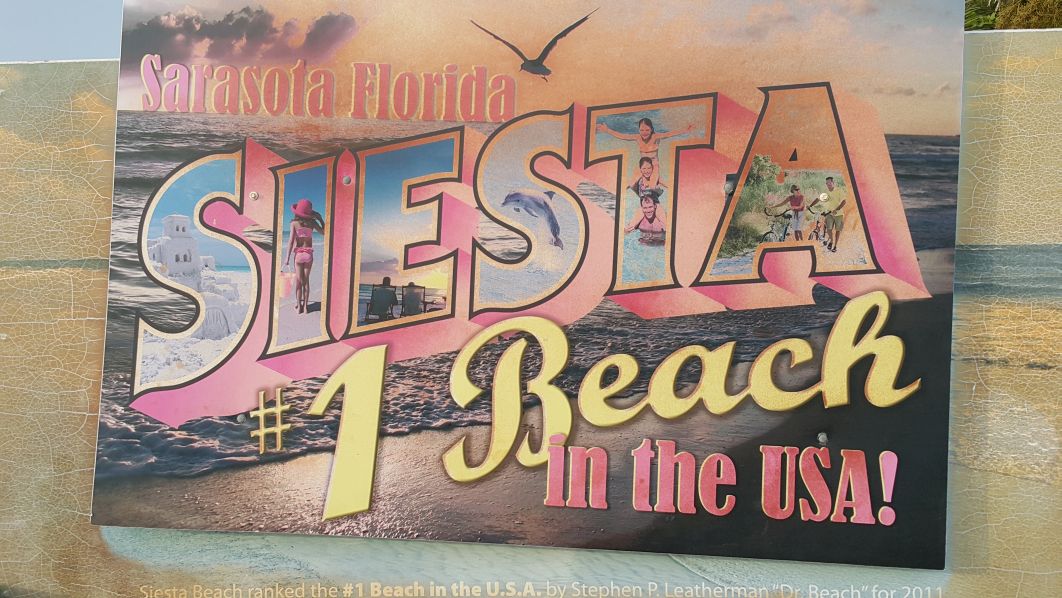
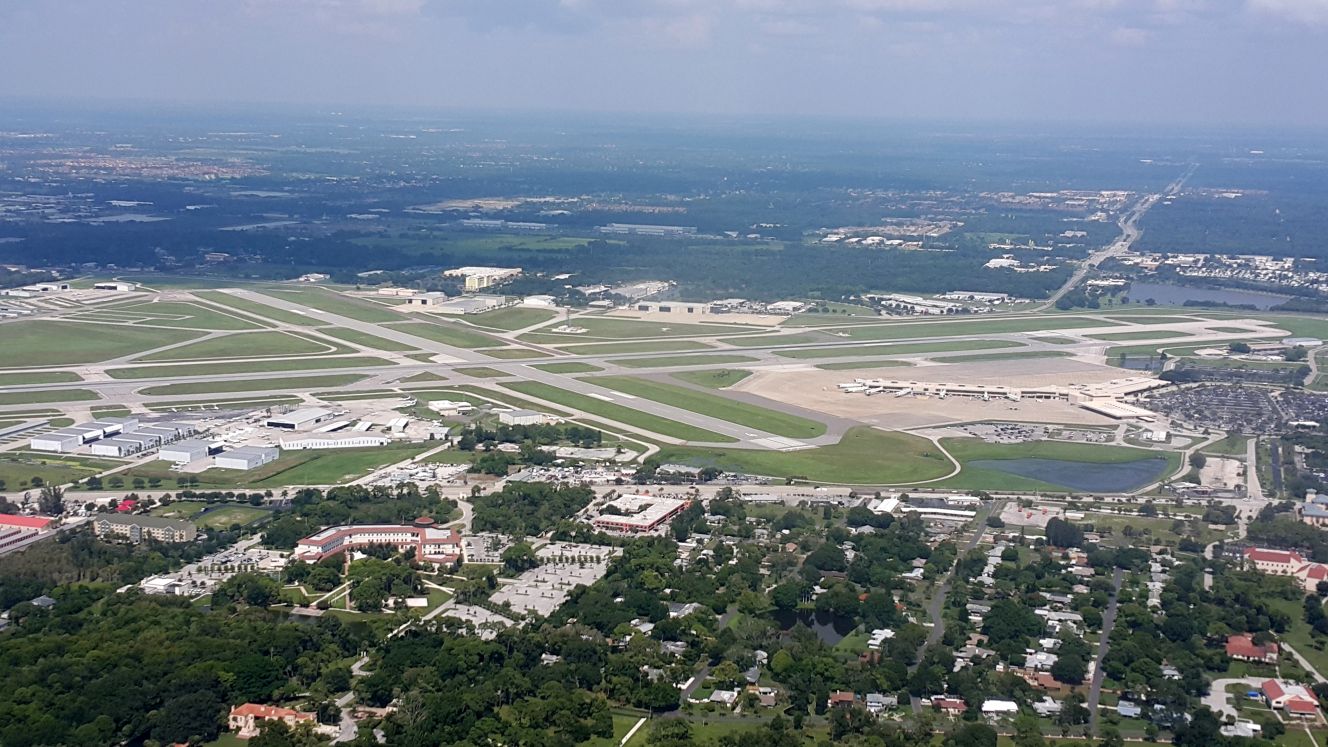
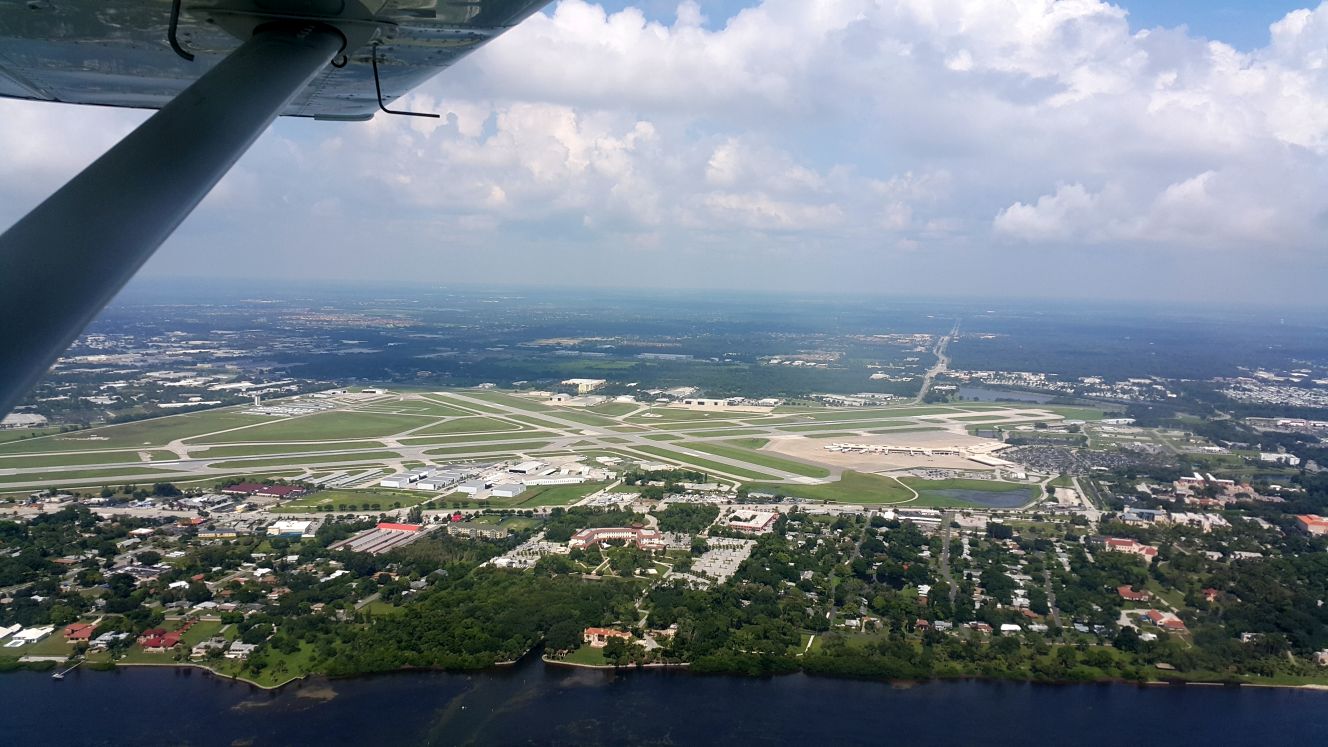
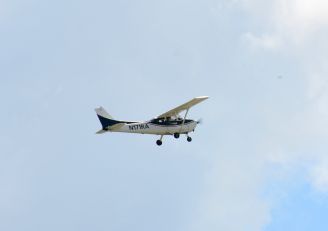
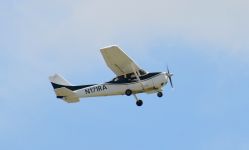
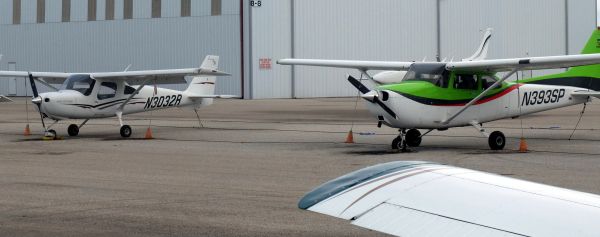
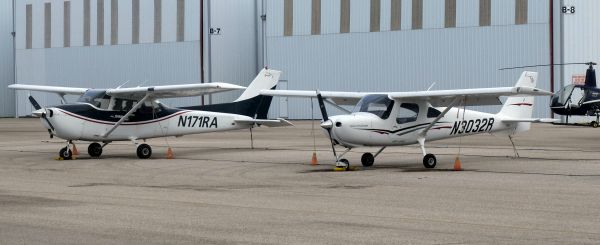
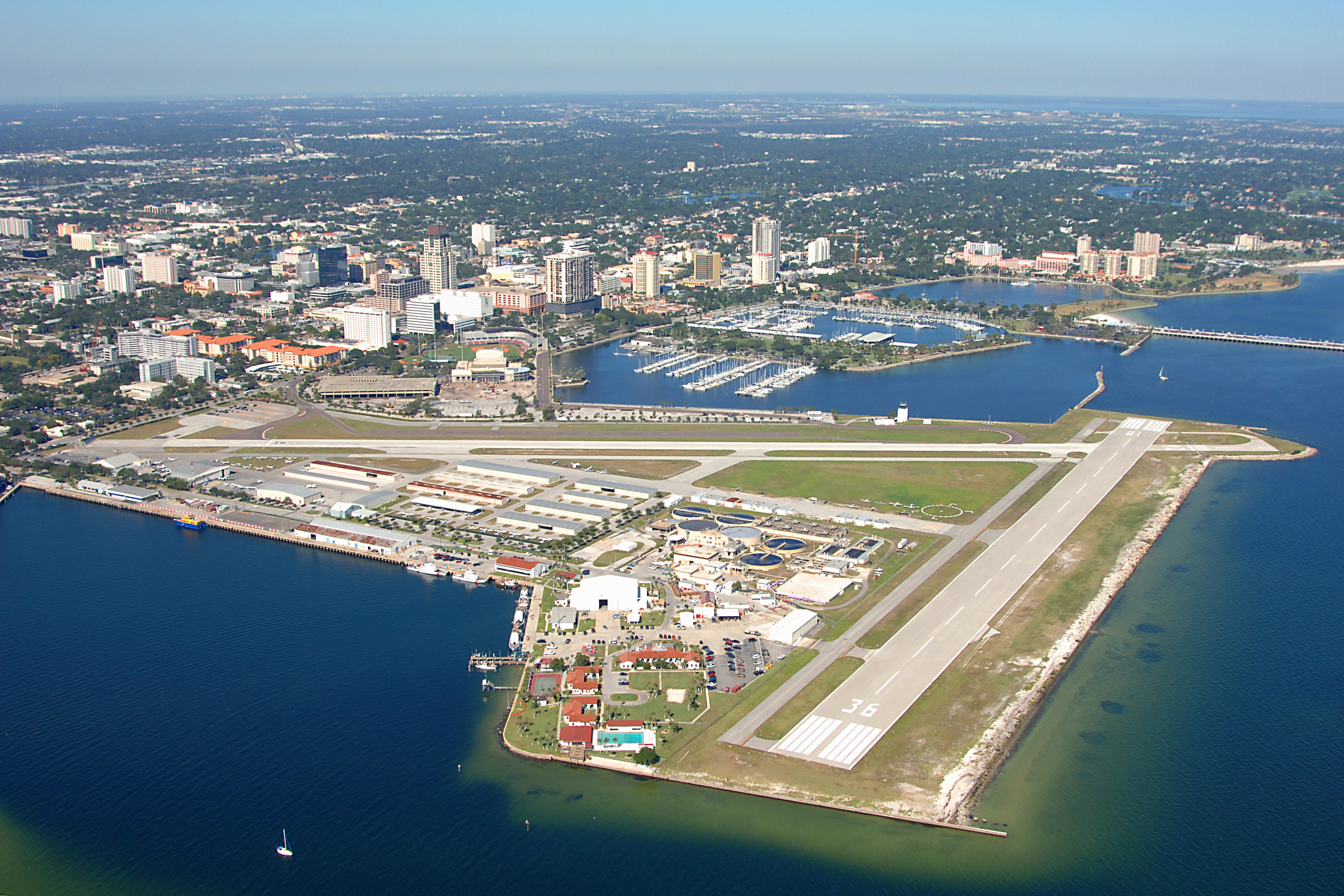
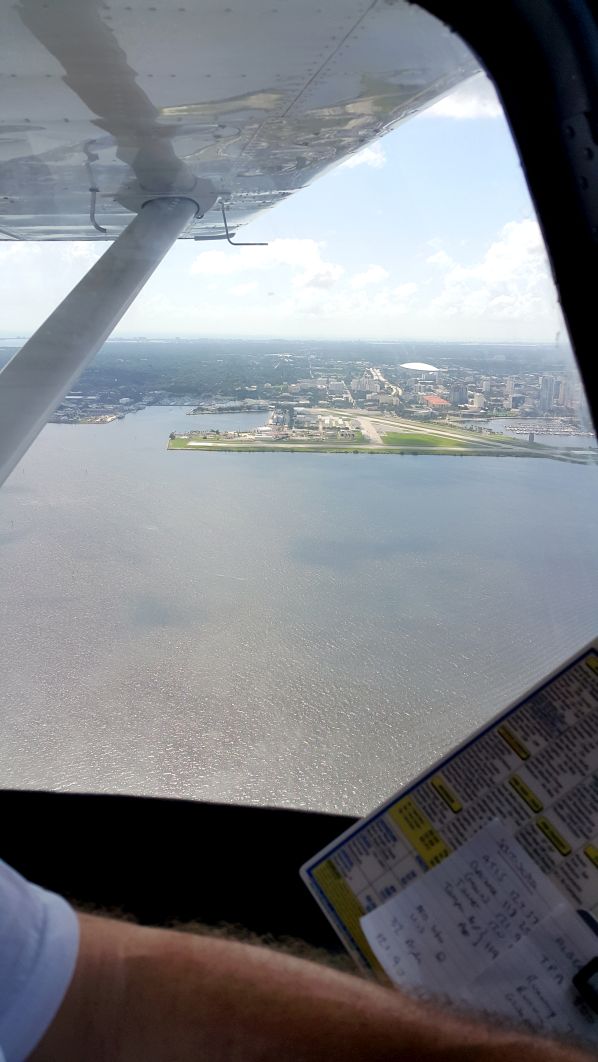
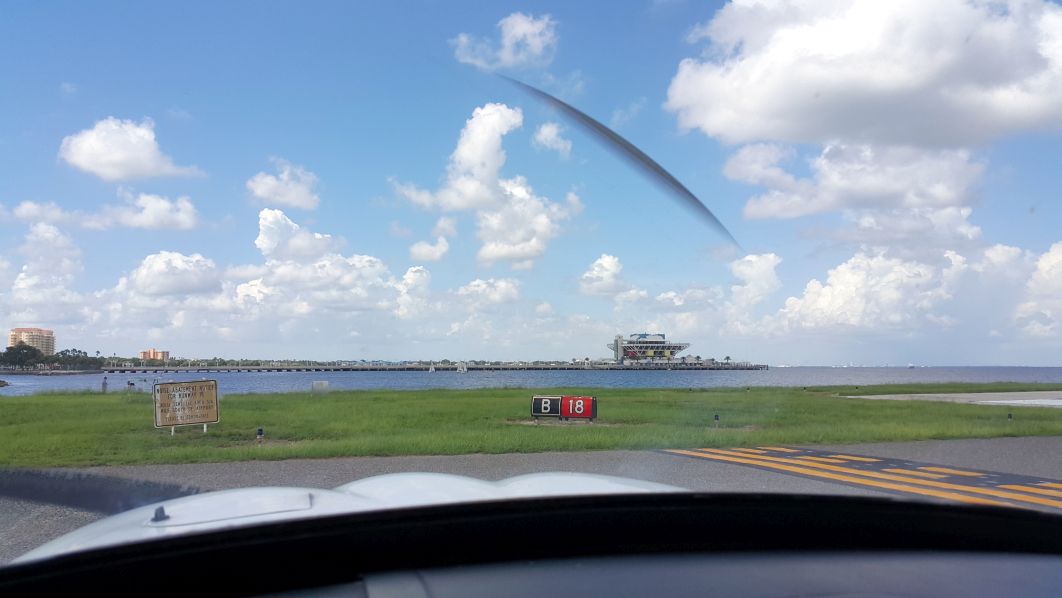
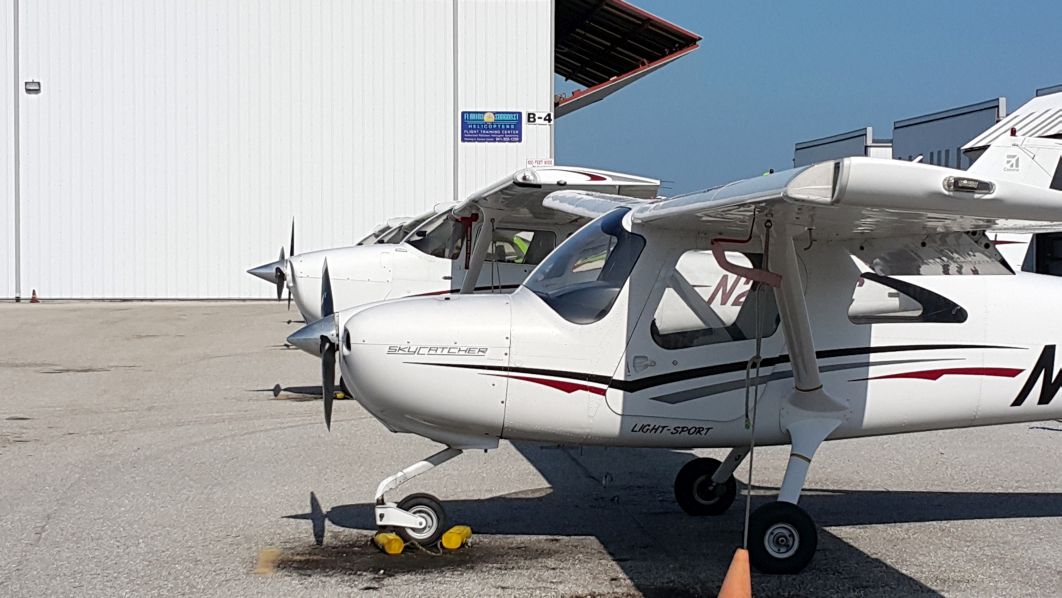
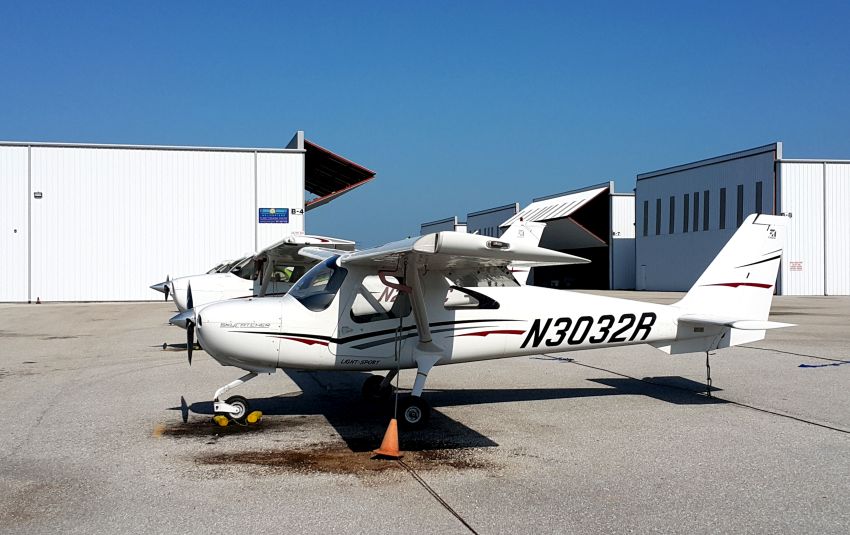
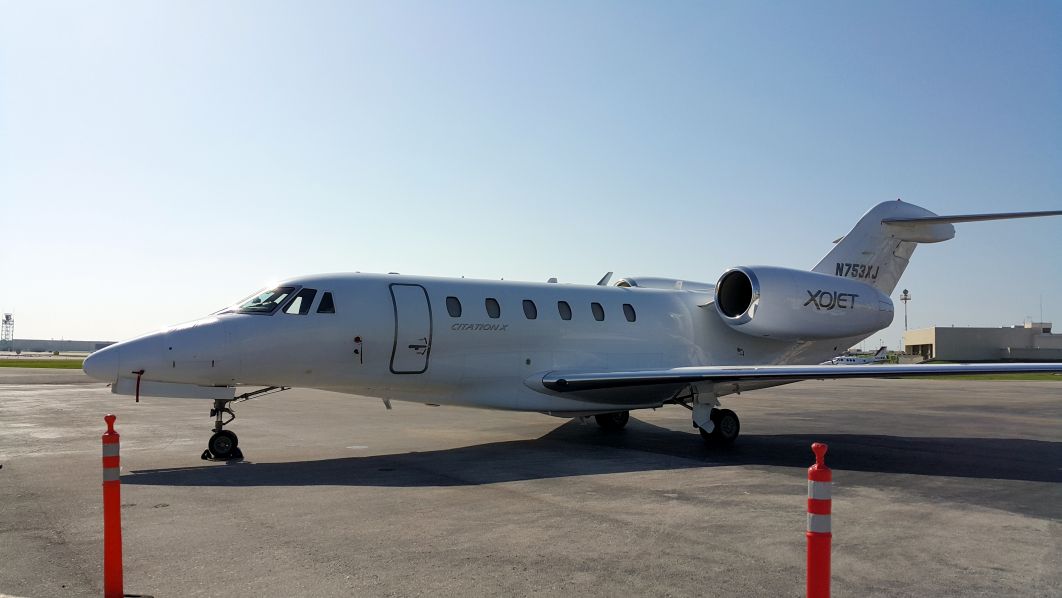
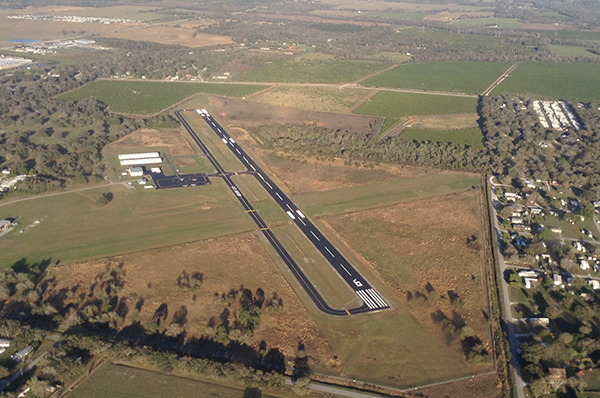
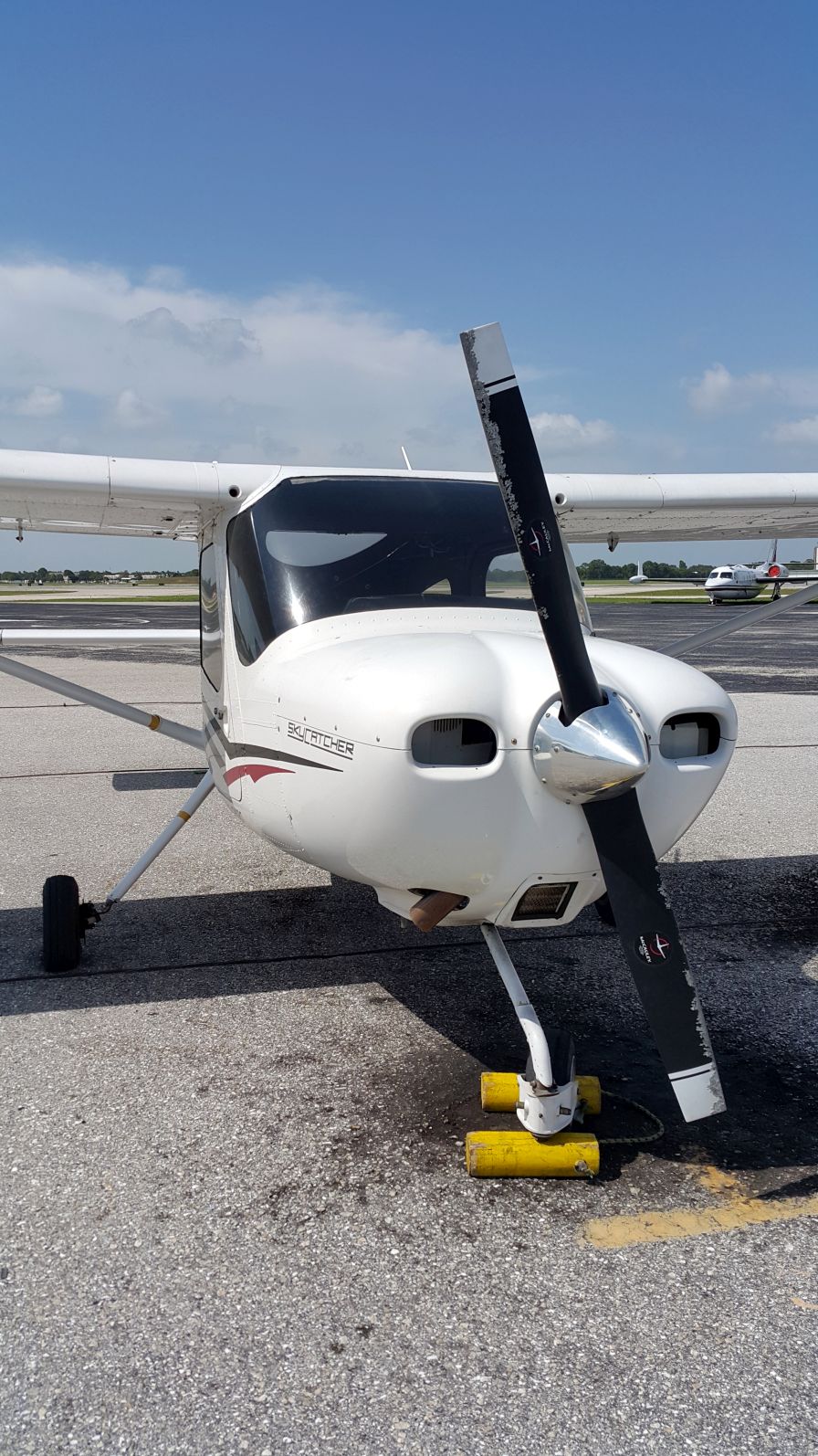
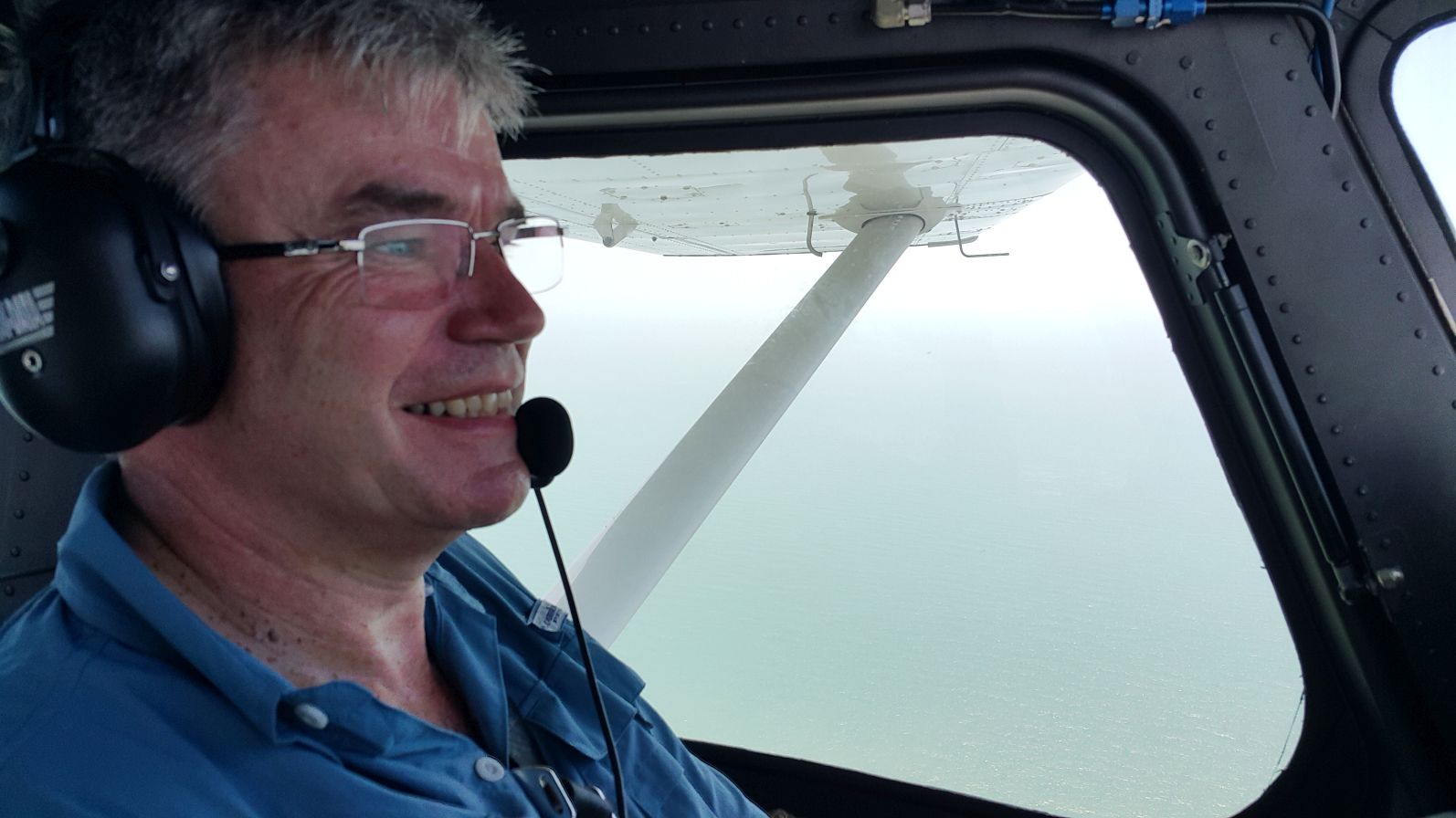
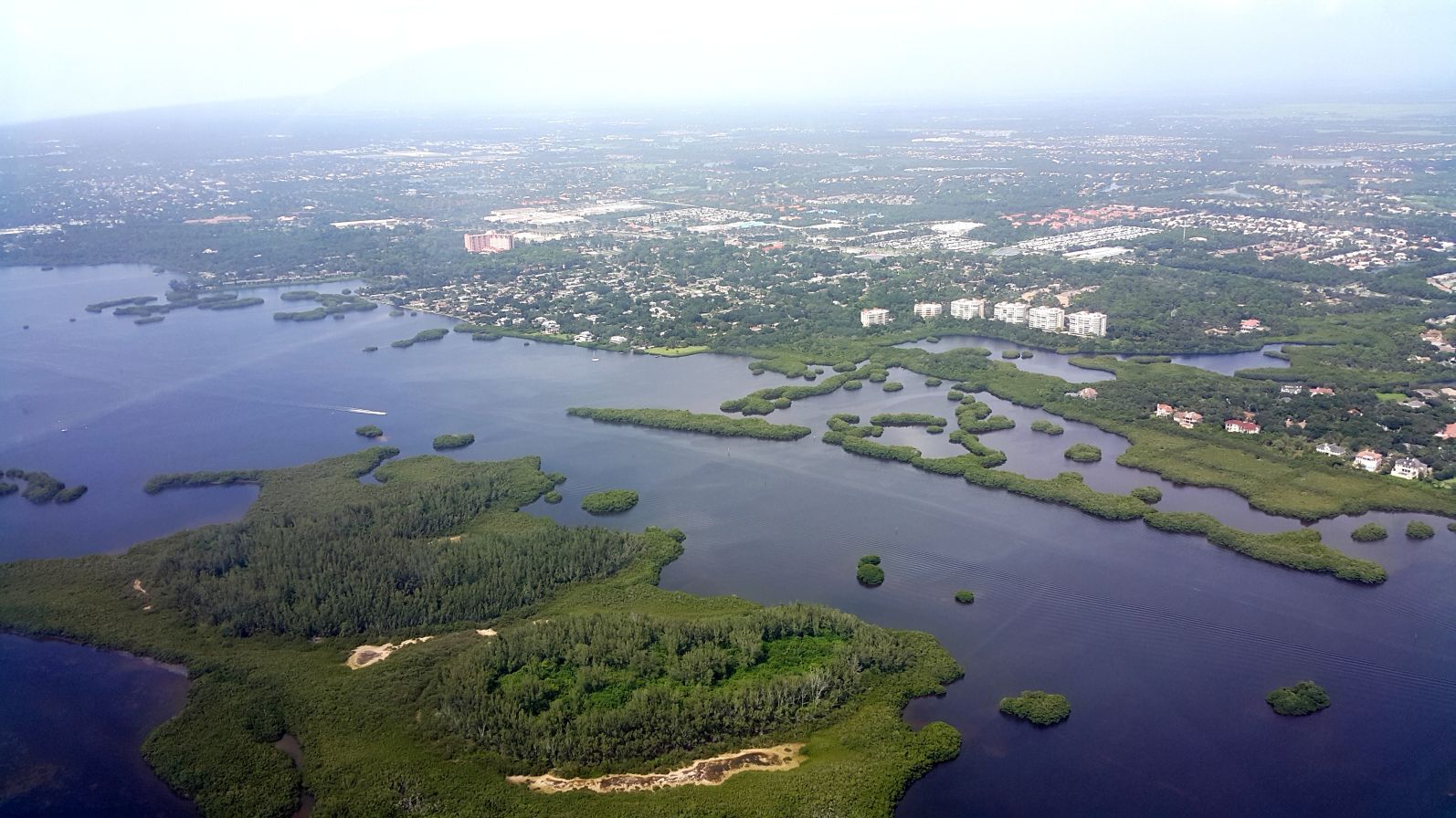
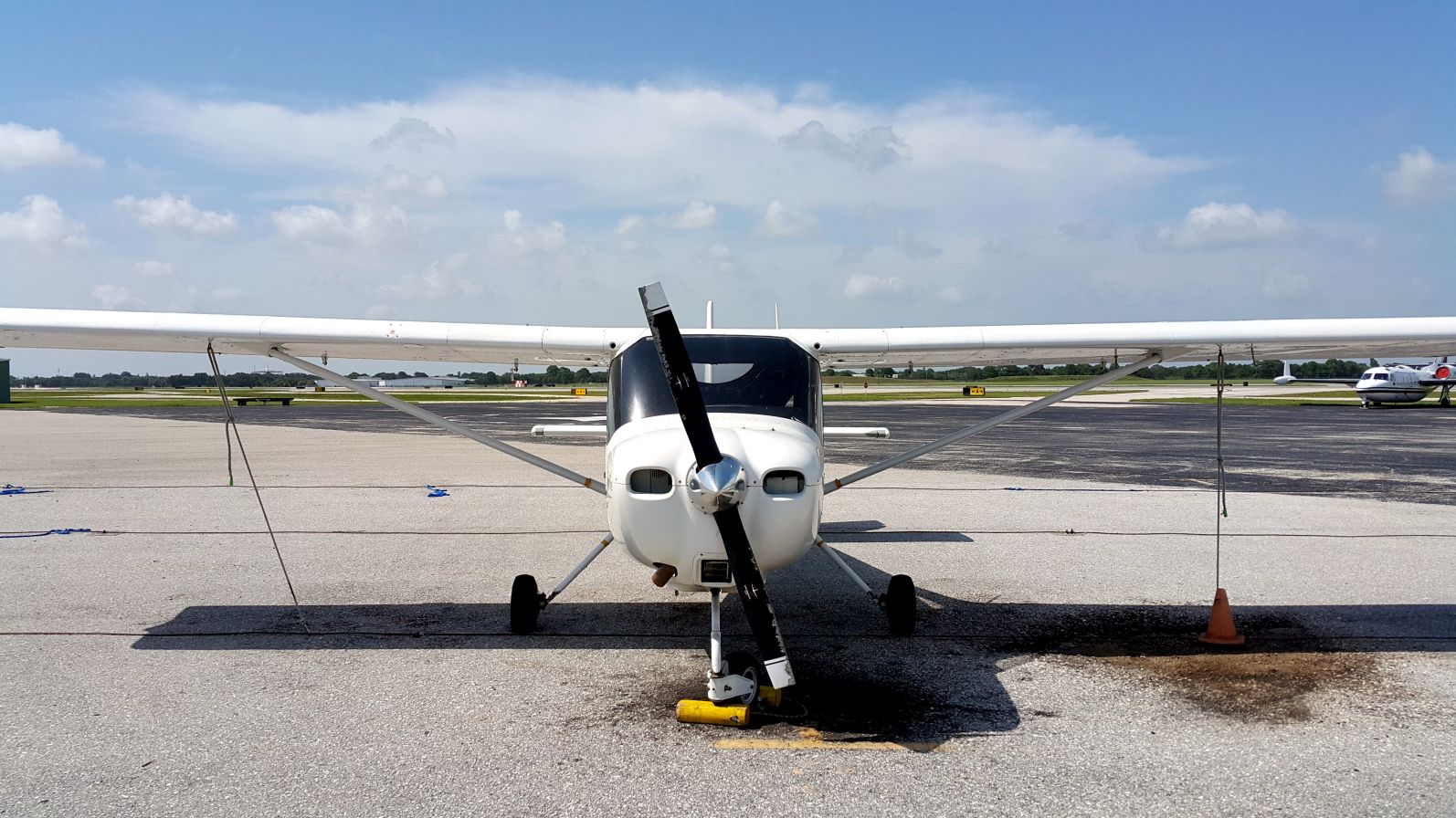
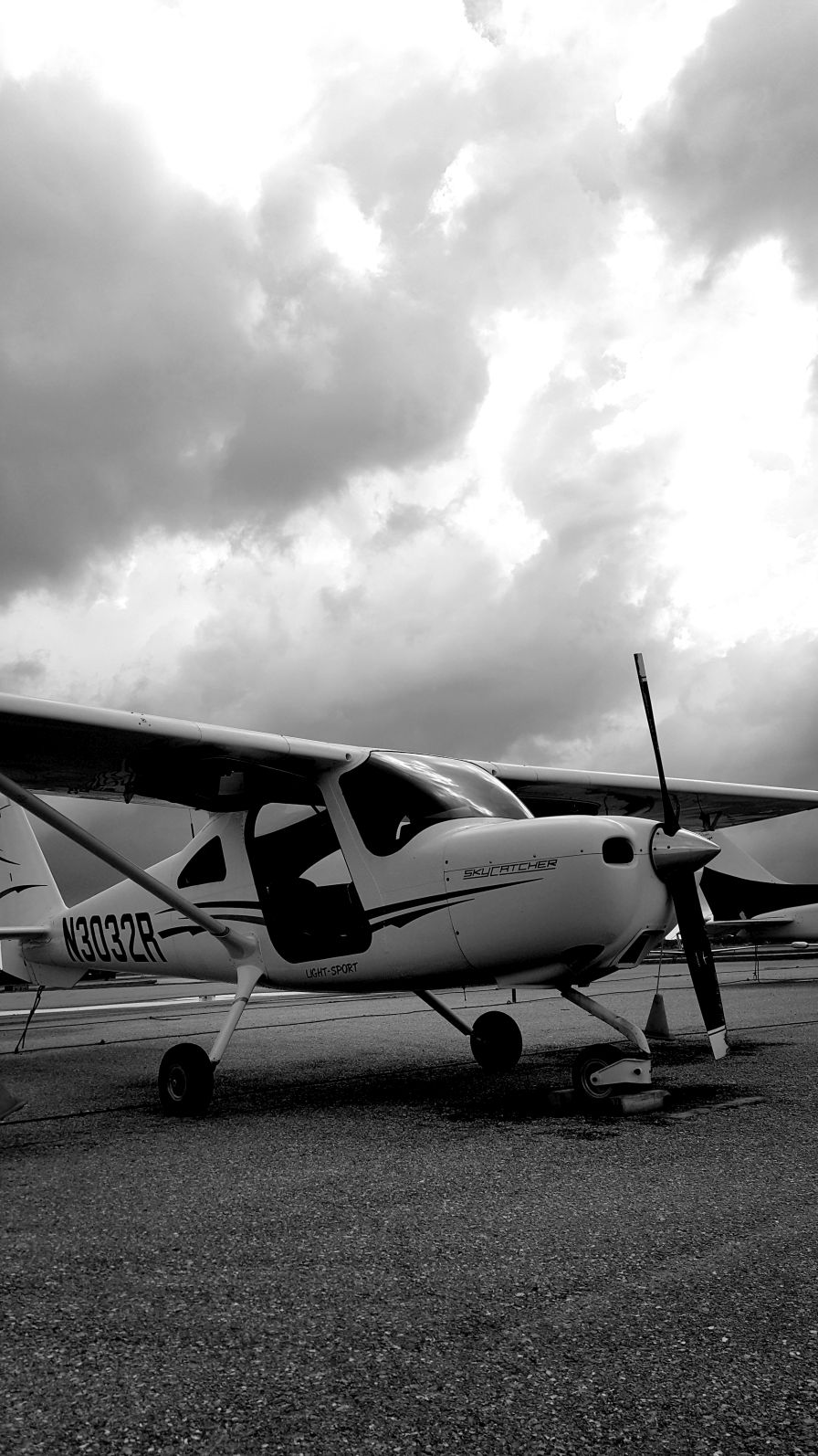
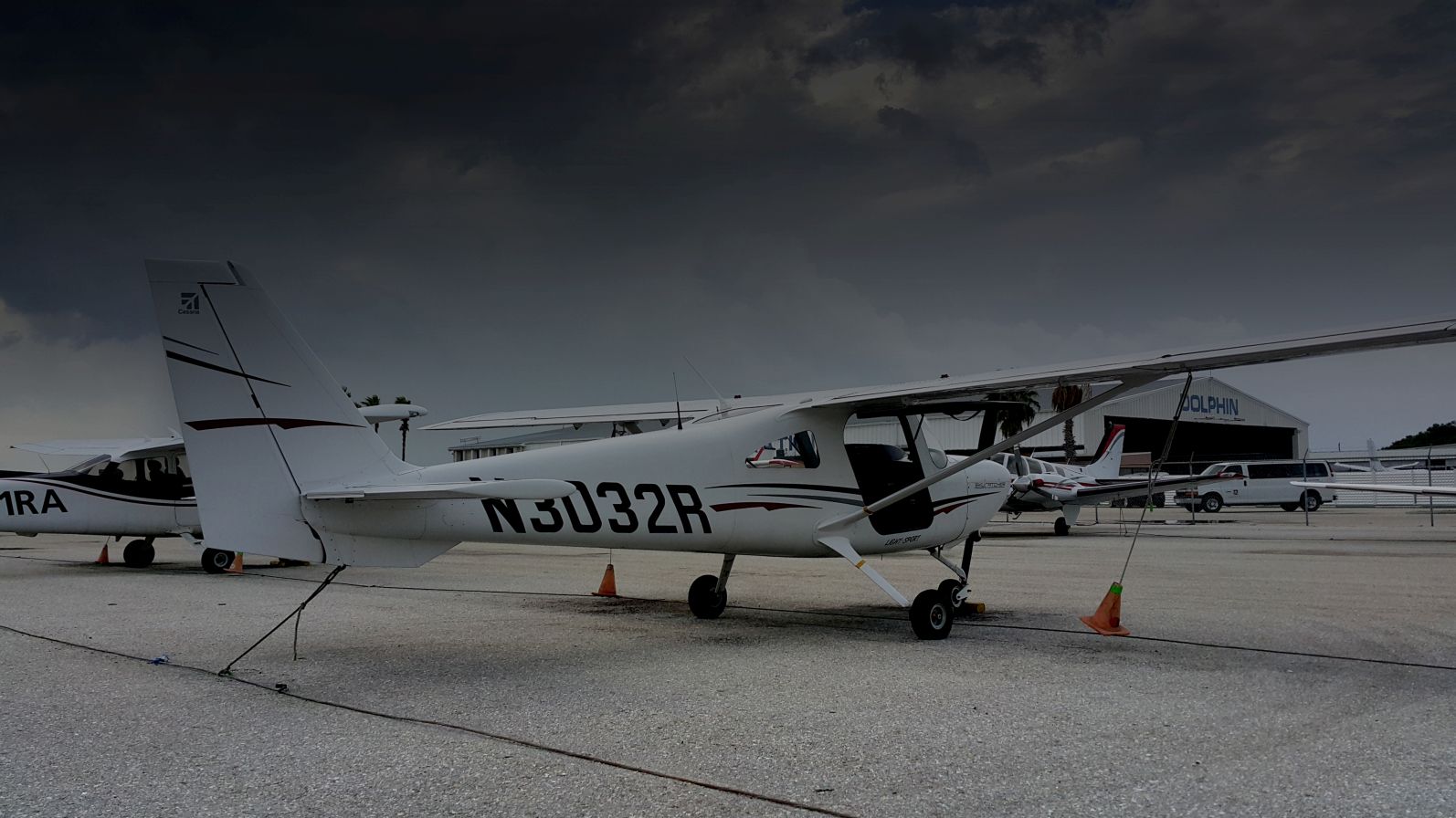
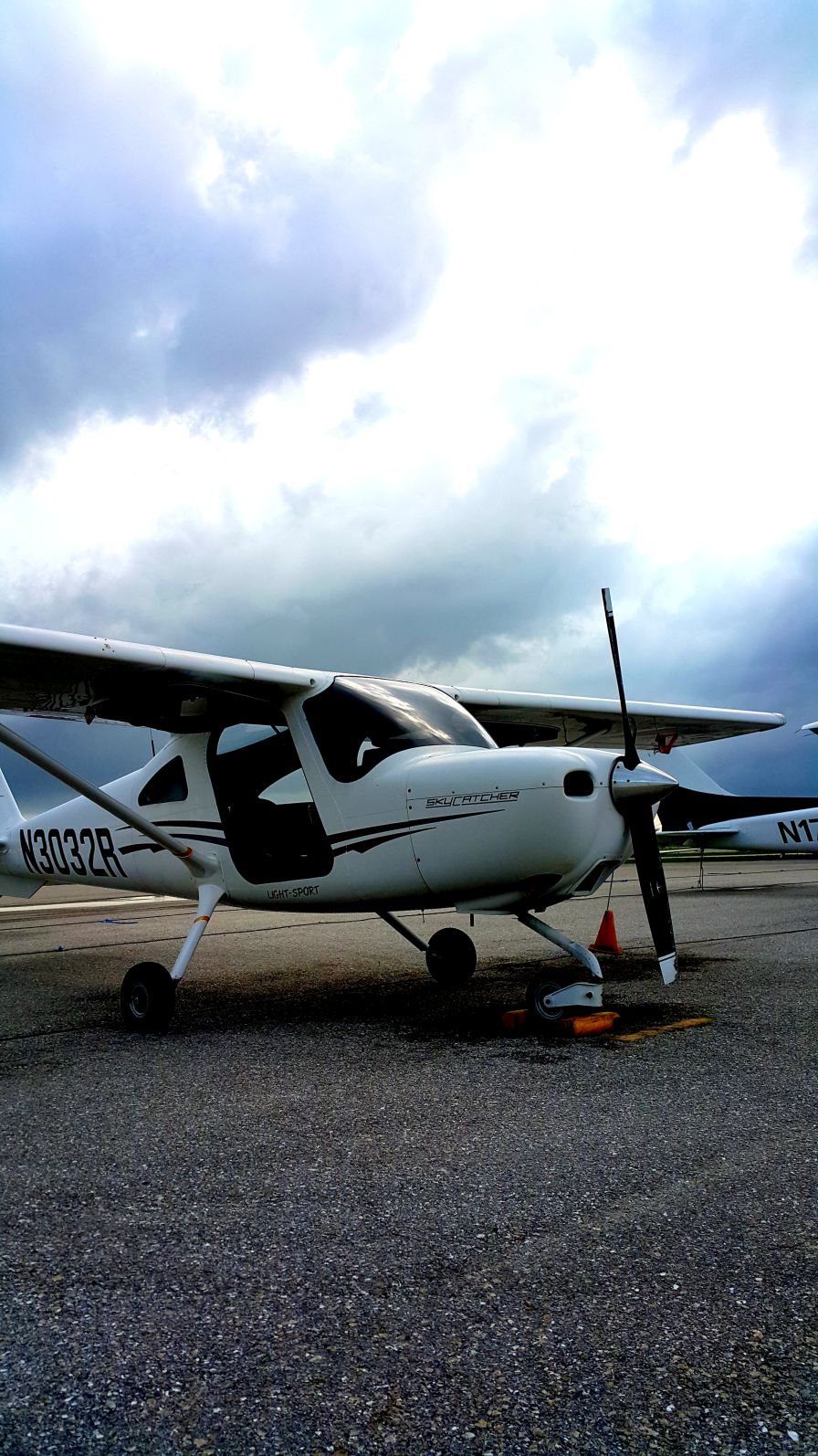
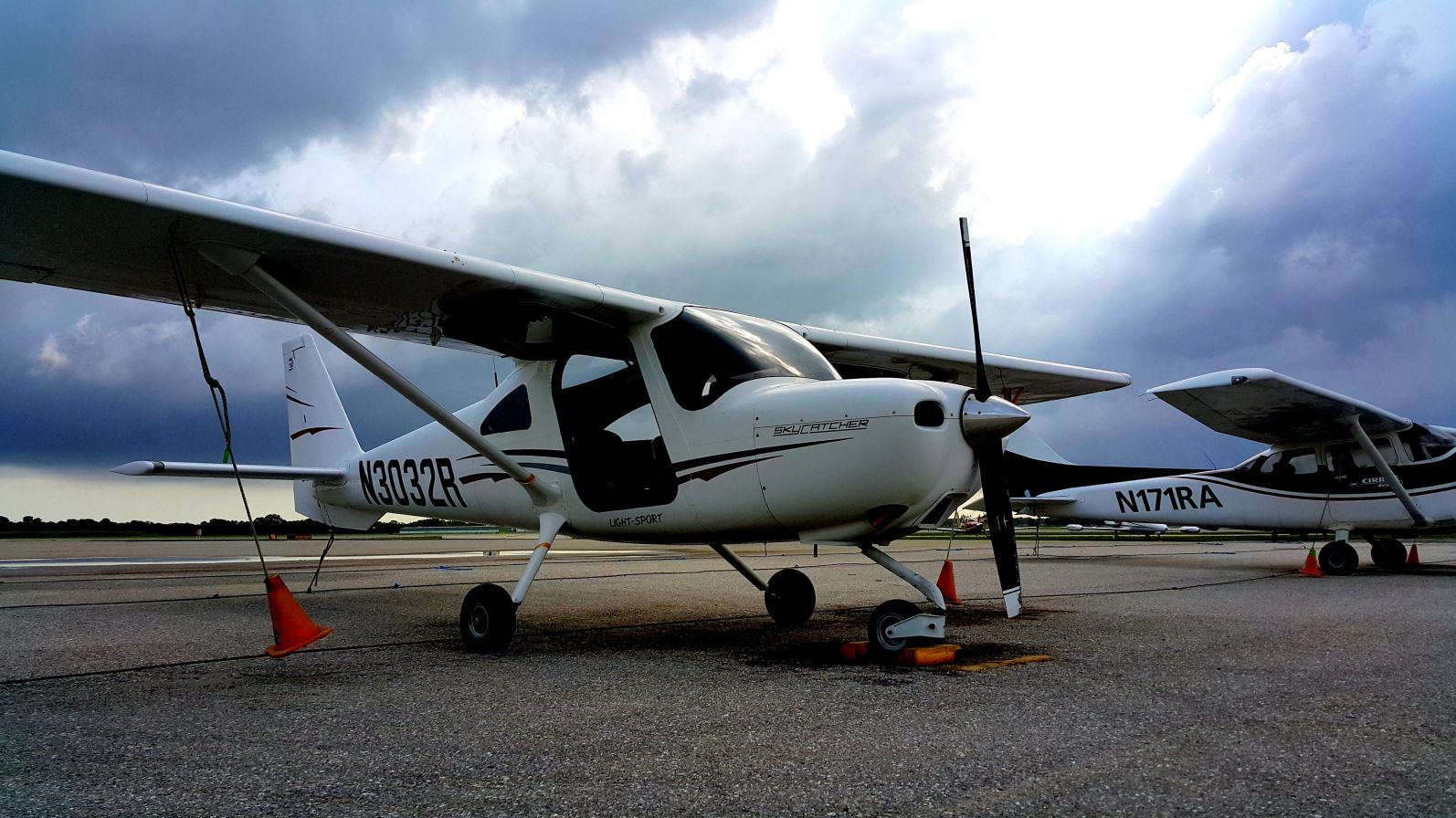
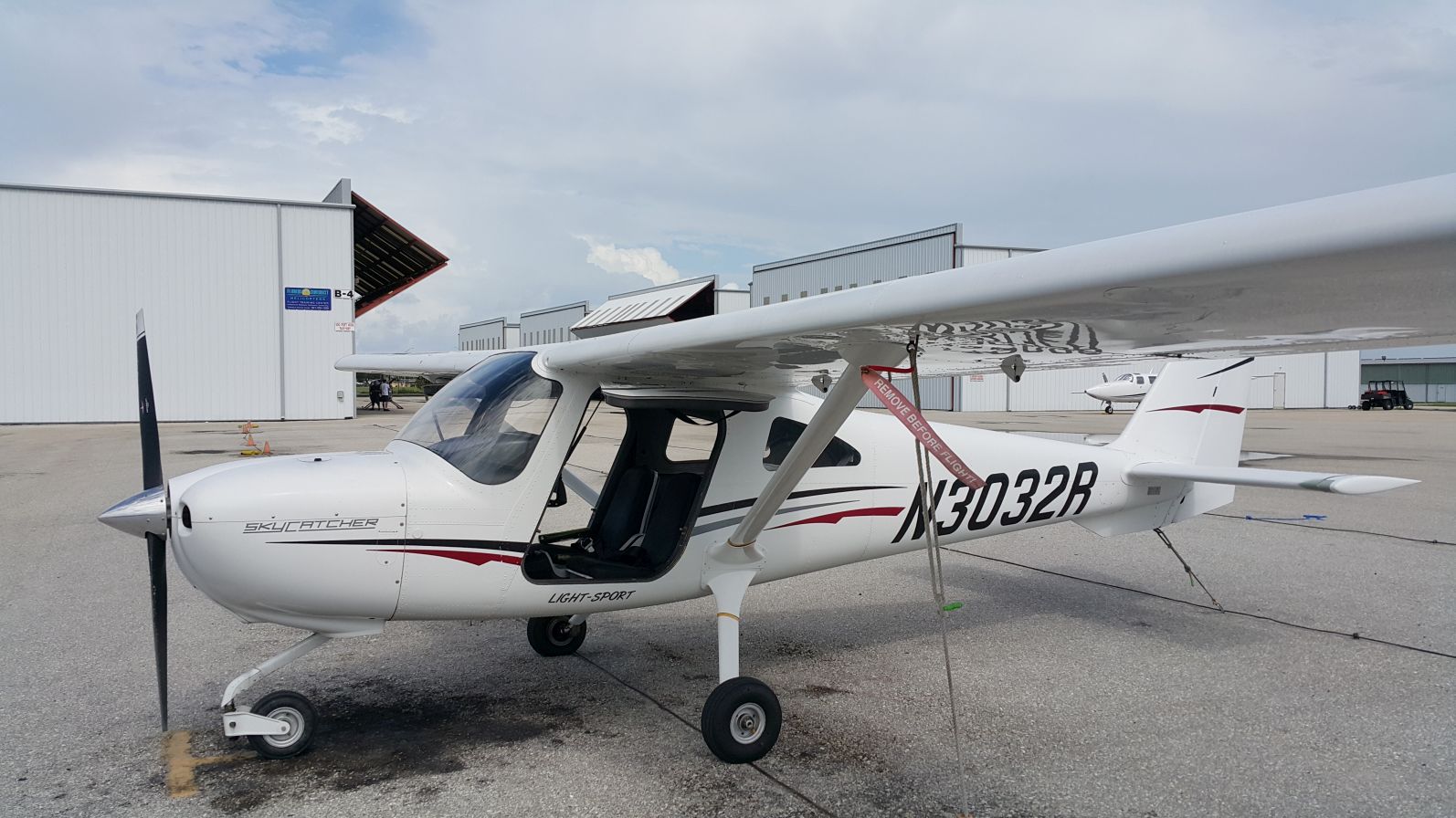
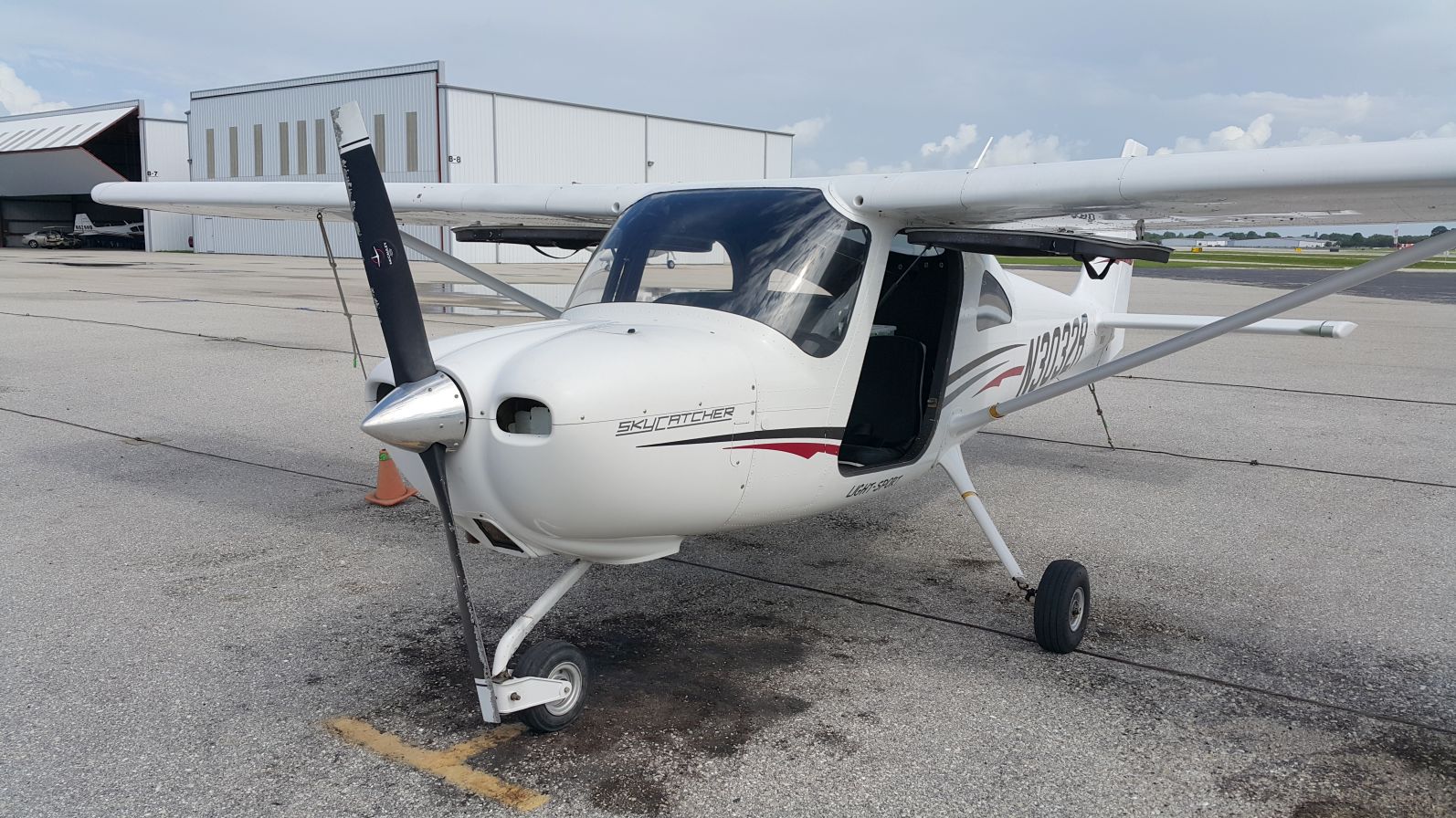
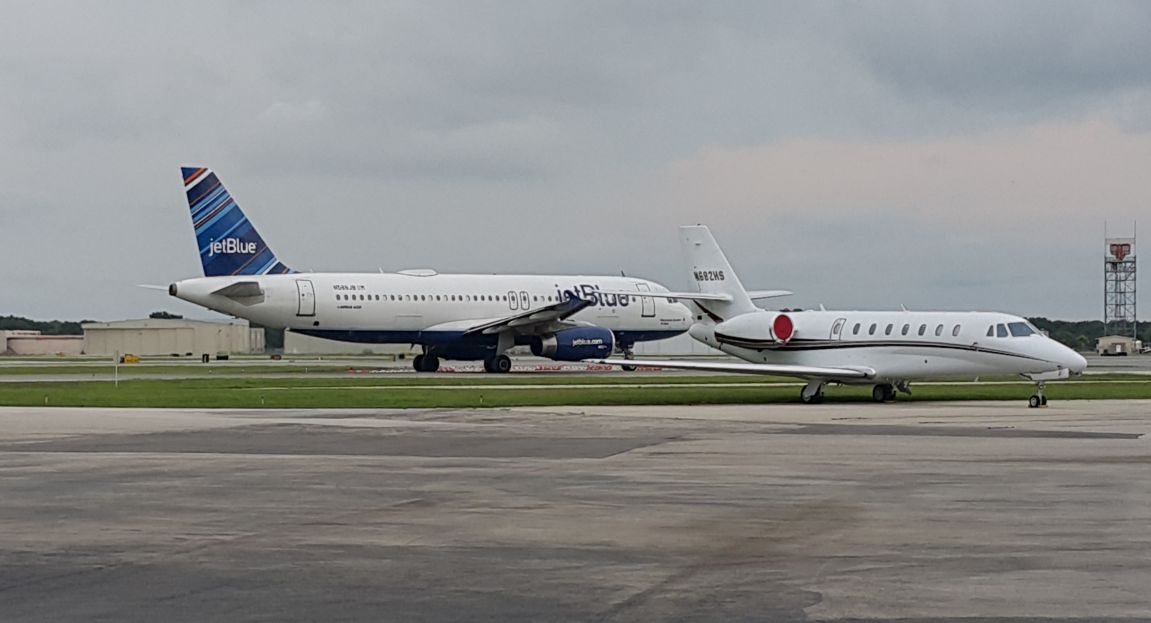
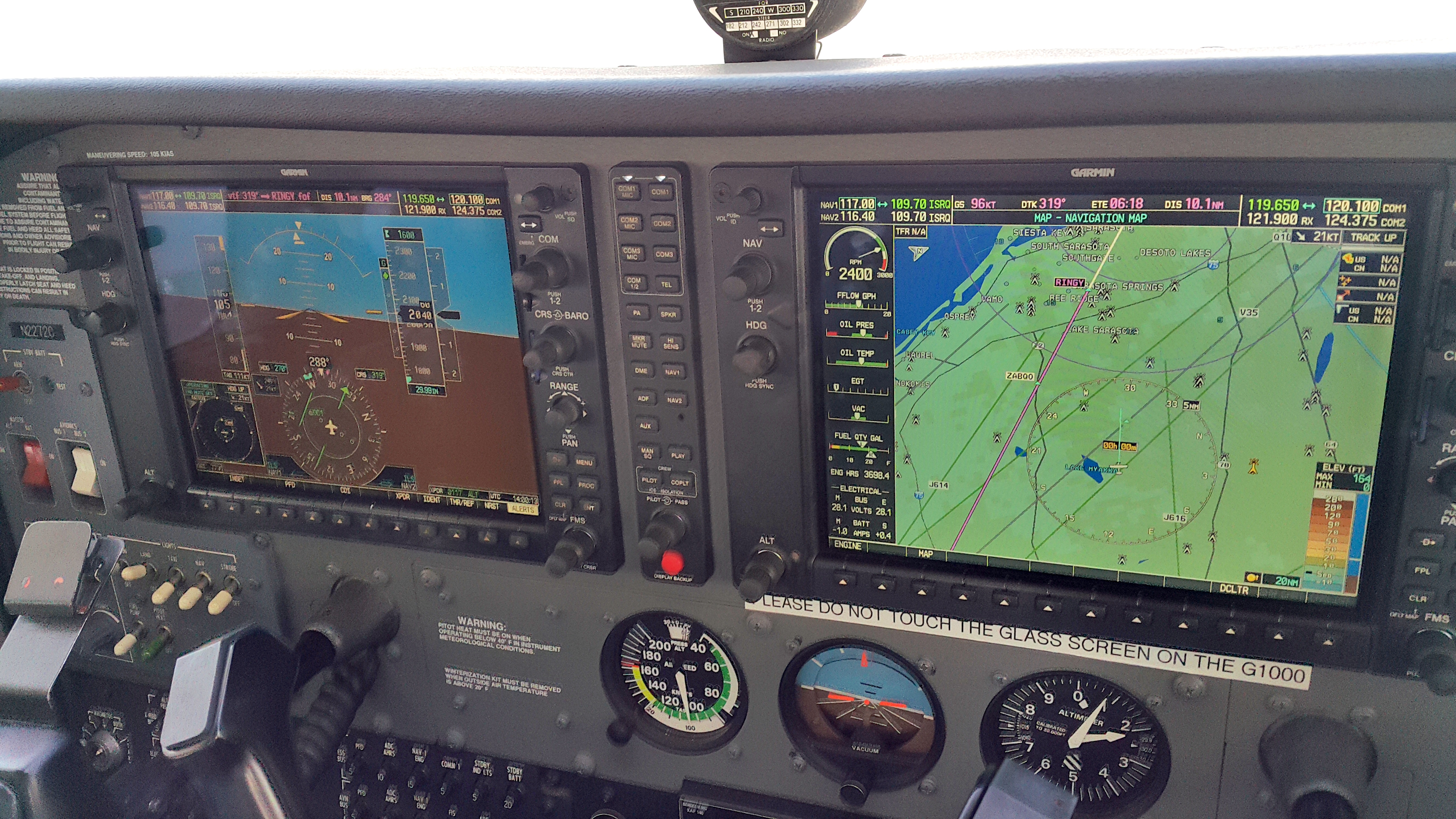
.jpg)
.jpg)