Welcome to rascott.com
This is a
personal site that reflects my interests in news,
current affairs, aviation and travel.
email me: robert@rascott.com
Now In Dubai:
Scott
Consulting
Photo Albums
My photographs have been moved off this site and are now stored on Picasa. They
were simply taking up too much space on my web host.
Please use
this link to see my list of photo albums.
Some
Useful links:
Information:
World Time
Clock
Exchange Rates
Journalism:
ForeignPolicy
Nationsonline.org
Project Syndicate
Amnesty International
Reporters w/o borders
The Guardian
BBC World News
CNN Asia
Bangkok Post
Daylife.com - news
Gulf News
Arabian Business
World News
WSJ - Asia
SCMP
Good causes:
Sister
Joan - Bangkok
Regional Info:
BKK Magazine
HK Magazine
In
Singapore Magazine
TimeOut Dubai
Back in the UK:
Newton Ferrers
And for fun:
Lin Ping live panda tv
EarthCam
History
BBC Archive
National Media
Museum
The British Library
Imperial War Museum
There are many other links on my AOB blog page.
|
The Dubai censor at work 28 April 2007 The weekly free newspaper Dubai Xpress reported this week on the work of the fourteen men armed with black permanent markers who are the UAEs official censors of the foreign media. There main
activity is to use their marker pens to strike through every image of
excessive flesh with black lines. There base is the Jashanmal Newspapers and
Periodicals Division (NPD). Mr. Abdul Rahim A.P., Distribution Manager for
Jashanmal spoke to the Xpress and said that “Sometimes with publications
like FHM we may need to censor 50 pages or so; that takes about 15 minutes
per copy." As well as black markers they may also remove offending pages. Now this is funny. The Observor and the Independent are hardly tabloid newspapers. Both are serious news publications. And to bracket them in the same category as the Sun would make their editors fume. Neither publication would consider printing lewd pictures. It does make you wonder if they really know what they are looking for or where they should be looking. The censors fill
out a form for each distributor, listing the name of the publication and
their comments should anything need to be censored. Air Asia Long Haul to fly Airbus A330s 26 April 2006 AirAsia’s long haul operation took its first step towards operations recently with the signing of a MoU with Airbus for the purchase of 10 A330-300s (plus five options). The new airline will be operational by September 2007. The project – unveiled as “AirAsia X” in January 2007, but now named “AirAsia Long Haul” – will commence operations with a leased fleet of three A330s. It presently has one unit under contract and aims to acquire two further units before September. The A330s it has purchased will begin arriving in October 2008. Although it has at this point agreed to only 10 firm orders, AirAsia CEO, Tony Fernandes, says that the plan is for the carrier to operate “at least 25 A330s by 2013.” CEO of owning company, Fly Asian Express (FAX), Raja Mohd Azmi, explained that the new carrier will initially operate to 2-3 destinations from Kuala Lumpur International Airport’s Low Cost Carrier Terminal, although he declined to say which cities the carrier will serve. Given the limited nature of the fleet, it will almost definitely be serving airports closer rather than further to the four-hour flying distance that is its existing operational range with Air Asia. Although the concept of flights to the UK captured most of the launch attention, the carrier will be principally focusing on destinations within the region. It has identified Japan, Korea, China, India, Australia and the Middle East as its core targets. The A330 has a range disadvantage compared with the newer-generation A350 and B787. As a result, any flying to the European continent will require a technical stop in the Middle East. AirAsia recently talked of establishing a “hub” possibly in Bahrain. But the purchase price for the aircraft was probably a bargain; also, the aircraft is available immediately and AirAsia needs to be the prime mover in order to capture market share. AirAsia will operate the aircraft with 389 seats, with 21 in premium configuration. The carrier will use a nine-abreast layout (eight is normal on the A330) to achieve this high capacity – a key ingredient in its projected unit cost of US cents1.9 per ASK. AirAsia’s Tony Fernandes added that the A330 is the ideal model for most of the services the new carrier intends to offer. “The A350 really begins to come into its own [cost-wise] at 9 hours, but we will be mostly flying a schedule about 4-8 hours from KL. At this range, the A330 is the perfect choice.” He added that the carrier has no plans to offer long-haul services from AirAsia hubs at Bangkok or Jakarta. The choice of the A330 also give crew and servicing compatibility with the growing A320 fleet. Bye Bye Boris 25 April 2007 The Russians are burying Boris Yeltsin today. But they will never be able to bury the legacy that he left. He was Russia's first elected President. He was the leader who took Russia out of the Soviet era and set it on its path to becoming a modern democracy. He replaced communism with early stage capitalism. He was the Russian
President from 1990 until his unprecedented resignation in 1999 when he
handed power over to his chosen successor, Vladimir Putin. President Putin
has rolled back many of his predecessor's reforms, tightening Kremlin
control over the economy, politics and the media. Most Russians applauded
Putin because he has ended much of the anarchy left in 1999 and given Russia
a stronger sense of national pride. The rapid privatization of industry led to a form of buccaneer capitalism and a new class of oligarchs, who usurped political power as they plundered the country’s resources. Arguably those are the people still wielding power in the new Russia. Yeltsin was instrumental in dismembering the Soviet Union and allowing its former republics to make their way as independent states. His leadership could be erratic and could appear crude. It was no secret that he enjoyed his vodka often to excess. His approach to diplomacy was by all accounts blunt. Tributes to Yeltsin have focused on his democratic leadership but have also been tempered by criticism of the corruption and lawlessness of the 1990s, the two devastating wars in Chechnya that began on his watch and, perhaps most of all, the feeling that Russia had lost its stature on the world stage. The Yeltsin era effectively began in August 1991, when Yeltsin, as president of the Soviet republic of Russia, clambered atop a tank to rally Muscovites to put down a right-wing coup against Mr. Gorbachev, a heroic moment etched in the minds of the Russian people and television viewers around the world. This was an era marked by extraordinary political and economic change. Yeltsin's task was to turn around a bloated military-industrial establishment, its ravaged economy, its despoiled environment and its antiquated health and social services system. To make life better for the people of Russia. Yeltsin left with his fondest wish for the Russian people only partly fulfilled. “I want their lives to improve before my own eyes,” he once said, remembering growing up in a single room in a cold, communal hut. In fact, in the chaos that accompanied the transition from the centralized economy he had inherited from the old Soviet Union, most people saw their circumstances deteriorate. Inflation became rampant, the poor became poorer, profiteers grew rich, the military and many state employees went unpaid, and criminality flourished. Where Gorbachev had sought to preserve the Soviet Union and, with his programs of glasnost and perestroika, to give Communism a more human dimension Yeltsin, on the other hand, believed that democracy, the rule of law and the market were the answers to Russia’s problems. Yeltsin was buried today in Russia's first post Soviet state funeral. A man who was for years an active communist; who embraced democracy; who re-awoke the Russian Orthodox Church had his funeral in the Cathedral Church of Christ the Saviour. It looked like the funeral of a Tsar. How apt for someone nicknamed by his staff as Tsar Boris. His legacy is that, maybe not now, but in due course, Russia will become a modern European nation. It is inevitable and right. Its worth raising a glass to Boris today; he would do the same. Primark - UK fashion on a budget 25 April 2007 Budget clothes shops such as Primark now take almost one in every four pounds spent on fashion in Britain. Describing someone's clothes as "cheap" used to be a cruel insult. But with stores such as Primark and New Look tying up a quarter of the market, shopping in cut price clothing chains has become trendy in the UK. Primark is the UK equivalent of wandering around Pratunam market in Bangkok or many of the other clothing malls or makets. They rely on volume sales, large amounts of floor space and very fast turnover. The research company Verdict says by the end of the year nearly £1 of every £4 spent in the UK on clothing will be at "value retailers". In childrenswear the figure is even higher, with £1 in every £3 going to these stores. It means they will have 23.7 per cent of the business, amounting to £7.8 billion. Last summer Primark hit the headlines when a sexy, £10 polka-dot shirt-dress flew off the rails, prompting catfights around the country. Today Tai has come back from Primark Crawley with a 10 pence scarf, a £4 silk tie, a very nice £8 sweater and some £1 and £2 shirts. Budget shops watch the big fashion houses closely and can produce lookalike garments at a fraction of the cost within days of their showcase on the catwalk. But the big four - Primark, New Look, Tesco, and Asda's clothes range George - are responsible for more than 90 per cent of the budget shops' boom. Smaller operators suffering as they struggle to compete with prices. Asda still leads the way with 17.3 per cent of the market share although Primark is rapidly catching up (15.7 per cent) followed by New Look (11.4 per cent), Tesco (11 per cent), Matalan (10.7 per cent) and TK Maxx (10 per cent). Report author Maureen Hinton said: "The budget shops are an accepted element of clothing retail now. There is no longer a stigma attached to shopping for cheap clothes. It is a model not unlike the low cost aviation business. Easyjet and Ryanair are now household names offering no frills flights at huge discounts to the full service competitors. The report says constant price cutting has meant shoppers can buy more and more products each year without spending higher amounts of money. In 2005 the clothing market grew by 2.3 per cent and Verdict expects it to grow by 2.2 per cent this year. Meanwhile the value sector's growth over the same period is 11.0 per cent and 10 per cent respectively. Thaksin in bidding for Manchester City 24 April 2007 Thwarted in his previous attempts to take over Liverpool football club, ex Thai Prime Minister Thaksin Shinawatra. has apparently started to seek out another football investment. The level of his post coup boredom can be assessed from his even thinking about a bit for very average Manchester City, a team that will always be the poor neighbours of local rivals United. Reports in Thailand sugegst a £92.5 million offer for the Barclays Premiership club. City have only confirmed that there has been an initial inquiry from Thaksin or his representatives with a view to a substantial investment. The reports first surfaced on a “pro-Thaksin” website that was set up in Thailand after he was ousted as Prime Minister in a coup d’étatlast September. The website claimed that Mohamed Al Fayed, the billionaire owner of Fulham, was involved in talks on behalf of Thaksin, who, it also claimed, had partners lined up in China and the Middle East, where he is at present on holiday. A spokesman for Thaksin suggested that the 57-year-old would hold a press conference to discuss the reports on his return to London, where he is in exile. John Wardle, the City chairman, is understood to favour a bid from a North American consortium, but, with no firm offer forthcoming, the club are exploring other possibilities as they search for investment. Game, set and match in Bangkok 24 April 2007
Deputy PM cleans up in Bangkok 24 April 2007
Ine one of yesterday's more entertaining
events the he Deputy Prime Minister apparently led a raid on Pantip Plaza to
suppress vice and intellectual property crimes. As everyone who has ever been to Pantip knows the place is awash with vendors of pirated dvds and pornography. You cannot walk 5 metres without someone offering to sell you "sexy dvd mister." But as always the vendors will have been alerted in advance to the raid and will have closed down their operations promptly.
So the story makes the Deputy PM look
foolish. And is efforts will hardly constitute a crackdown on Pantip where
business will be back to normal already. Dubai's largest island will be on the mainland 22 April 2007
Amid all the frenetic offshore development the creation of Dubai's largest island is already well underway and it is on the mainland. Approval has been granted for the Dubai creek to be extended by canal around the Business Bay and Safa Park districts back to the Arabian Gulf. In theory this will eventually allow commuters to travel to work by water taxi working in co-ordination with the new Dubai Metro, the public bus service and hired taxis. It is, in this heat, unlikely that many people will give up their cars. past. The Dubai Creek extension up to the Arabian Gulf via Business Bay will provide an alternative transport route for residents and tourists. Passengers will be able to take water transport from the Dubai Creek to reach Business Bay, Jumeirah, Al Wasl or Shaikh Zayed Road. His Highness Shaikh Mohammad Bin Rashid Al Maktoum, Vice-President and Prime Minister of the UAE and Ruler of Dubai has reviewed the Dubai Creek extension project and approved a plan to further extend the water channel by 2.2km from Shaikh Zayed Road to the Arabian Gulf, passing through Safa Park, Al Wasl Road, Jumeirah 2, Jumeirah Road and Jumeirah Beach Park. The work on the 100-metre wide channel is already under way between the main Dubai Creek in Ras Al Khor and Shaikh Zayed Road. There will be bridges over the new water channel with a minimum height of 8.5 metres to provide enough space for boats to pass beneath. There will also need to be new bridges over the new canal at Shaikh Zayed Road,. Al Wasl Road and Jumeirah Road. Expect some severe congestion while these projects are completed between now and 2010. Al Safa park appears to be safe at the side of the new waterway; however it is likely to have an impact on popular Jumeirah Beach. The blessing box 20 April 2007 A couple of years ago I was given a blessing box. I had not looked at it for a while. In the box was a scroll of reminders of the things that are good in my life. I have never used the box to store messages and reminders of the blessings of my life. I should use the box to keep mementos of the good and positive parts of my life, where I can read them, touch them, hold them any time I need to. A blessing box can be used to reflect on the best things in a person's life. Focusing on the blessing box is one way to avoid memories of what you have lost or forgotten. The scroll in my blessing box says - Robert's blessing: Happpiness Tonight I added a picture of Tai to the Box. Sister Joan at work in the slums of Khlong Toey 20 April 2007 There is more on Sister Joan's work here. Originally published in the Brisbane Courier Mail on 14 April 2007
The hungry dogs of the Slaughterhouse slum slink about on their early morning scavenge, sniffing at rotting plastic bags and every woman arriving to join the queue. The women barely notice them, shifting their babies from one hip to the other and focusing on the gold four-wheel-drive parked 30 metres away. Mangy dogs, opium addicts sprawled on the concrete, the stink of sewage and monsoonal rains are part of daily life in these slums. But the boot of the gold truck is only revealed once a fortnight. The truck's owner is moving about at the top of the line, her attitude reflected in her no-nonsense outfit: garden variety short-sleeved shirt, black skirt, sturdy shoes and a small silver cross around her neck. Sister Joan Evans welcomes the women Thai-style, putting her hands together at her chest and bending her stout body forward. "Sawasdee-ka," she says to the line of mothers and grandmothers. Their tense faces break into smiles. Life is tough in the slums of Bangkok, home to one-fifth of the city's six million residents, but this Catholic nun offers a small helping hand in the hard slog of survival. Every second Friday morning, at the edge of the dirt and gravel road, there are kind words from Sister Joan (even if the Australian expatriate gives the Thai language a mangling) and about $A1000 worth of milk formula in the back of her 4WD. Breast may be best, but not when the mother has HIV, is too malnourished to produce milk or has to go to work straight after childbirth to put food on the table. In those cases, a newborn in the slums is lucky to be fed the foamy water in which rice has been boiled. Sister Joan recognised this years ago and started walking to the homes of a few new mums and giving them milk powder. Today, they come to her - all 100-odd of them. Such a big operation requires a few hands and that's why, along with the line of Thai mums, a smaller gathering of farang (foreign) women is forming. A card table has been erected in the dirt, just below a mass of impossibly jumbled electrical wires, and the farang women are sorting through a set of homemade photo ID cards. Sister Joan makes a card for every mother who collects milk, the expiry date of the 12-month handout clearly marked. "This woman's been receiving milk but we haven't seen the birth certificate yet," Karen Gray calls to her colleagues as she checks off the details. Gray called Brisbane home until six years ago when her husband's work took her and their two children on a South-East Asian adventure. Now she's the president of Thailand's long-running Australian-New Zealand Women's Group, which raises money for a range of charitable organisations and routinely helps out at Sister Joan's milk run. Gray admits her motivation to join ANZWG was less about hands-on welfare work and more about producing Bangkok Guide, a fundraising tome that has been explaining the city to expats, tourists and even some locals for 50 years. Now she finds her time with Sister Joan more rewarding. "It just gets you in. Working with Sister Joan, once you start, it just amazes." The bare bones of Sister Joan's story are amazing enough. A three-day study trip to Bangkok in 1988 recast the life plan of the Presentation Sister, an only child raised in Perth. She felt a deep need - a calling - to help the city's poorest people, particularly the women. So in 1991, after 40 years of teaching maths and geography - the latter 25 of them in the pleasant and ordered surrounds of Perth's prestigious Iona Presentation College for girls - she arrived in Bangkok's slums. She was 60. And here she stands, nudging 75, still healthy and quick-witted, listening in Thai to the woes of all-comers. As Gray and her friends supply the mothers with milk, wave after wave of needy locals arrive, seeking Sister Joan's help. This exhausted-looking man wiping his face with a dirty white cloth is a chronic asthmatic without money to get into hospital; this woman's main breadwinner died two days ago and hasn't been buried yet. There's no food for the children. And here's a heroin addict whose diabetic father is having a leg amputated in a hospital that doesn't supply incontinence pads. "When he's at home," translates Sister Joan, "he just gets from one room to the toilet area and they hose him down. No problem. But when he's in hospital, it is a problem." A few packs of pads are arranged, a bit of money for the woman, a plan made to escort the asthmatic to hospital. "This is what it's like for the poor - they're tossed from pillar to post," says Sister Joan, moving into the shade of a dilapidated roadside store as the tropical sun kicks in. "And then there are rogues as well, like this woman, the supposed grandmother, who came to join the milk run today without the right identification, and I said, 'I'll just give you milk for now'. And she's gone off in a huff." The "grandmother" had produced a baby's birth certificate and her own government ID card. No baby, no mother. Milk is like gold in Thailand, and over the years Sister Joan has heard her share of bogus baby stories. The long queue to the truck was instituted after mothers started creating diversions while others stole milk. Sister Joan doesn't blame them - "If we were in their position, we'd do the same" - but she wants her finite resources to go to the most needy. Which is why her helpers are also snipping the corners off the cartons of milk so that they're not resold at roadside stores. "These old ladies, they've been here a long while," she says. So they're fairly wily? "Oh yes." Then she points to herself. "But I've been here a while now, too." By "here" she means not just Bangkok, or Thailand. She means here, in the Slaughterhouse part of the massive Khlong Toey slum. Just down the concrete path, past the opium addict who's being cajoled inside by his mother, beyond the shop with three cats sleeping in an empty display cabinet, and left at the chicken feet hanging from a corner post is where you'll find Sister Joan's home. She lives in a place where rubbish and stagnant water lie under every pole-raised shack, where drug deals are done and where residents live with the risk of fire engulfing their wood and fibro homes because of the mass of open cooking fires and the absurd electrical set-up. For the first five years in Bangkok, Sister Joan lived with the Infant Jesus Sisters and at a shelter for girls run by the non-denominational Human Development Foundation, before deciding "to live where the poor live". "I just had that belief that if you are going to work among the slum people and know more about their lives and the problems of their lives, you need to actually live with them," she says. "They will never see me as a slum woman, they certainly don't see me as anywhere near Thai, but living among them I'm more in touch with the grassroots and I understand what they go through. You are a part of it." The gold 4WD zips through the streets of Bangkok, Sister Joan at the wheel, negotiating the traffic. She's got to get to the bank before it closes to withdraw enough money for her Fares and Food program, aimed at getting slum children to school and keeping them there. She shows no fear as she pushes her way through a chaotic intersection; after all, this is the woman who's been known to ride side-saddle through the mayhem on a motorcycle taxi. Typical, then, is her explanation for why she decided to come to the slums when most retirees are tossing up between a sea or tree change. "I never felt old," she says. "I still don't feel old. I'm not old." She's certainly not slowing down. Yesterday she collected and gave out packets of rice, noodles, cooking oil and fish sauce to scores of people who are part of her Family Food Project; the day before was spent at various hospitals making sure the slum people received treatment. Tomorrow she's got an appointment with some women who need money to rebuild their homes. Every year, she supplies scores of students with uniforms and school books. And every day, she can count on people knocking on her door or stopping her in the alleyways, seeking help. Her 4WD, living expenses and two trips to Australia a year are paid for by the Presentation Sisters, allowing all donations from charitable organisations like ANZWG, business groups such as the Australian-Thai Chamber of Commerce and private citizens to go to her projects. Like her order's founder, the Irishwoman Nano Nagle, Sister Joan believes education for the poor is paramount, which is why she began her Fares and Food program. She was sick of seeing kids she'd kitted out in uniforms at the start of the year missing school because their parents couldn't feed them or pay their bus fares. "Education is the key. Every bit of education they receive, they've got another choice," she says. She admits to times of questioning how much good comes from her work. But despite the daily grind of watching injustice after injustice, she says her faith has never been tested. It has been heavily drawn on, though. "How else sometimes do you do what you need to do if you haven't got something else to draw on? I mean, I talk to the Lord a fair bit and it's not the fancy prayers we say in church." She finds reward in the small things, like the sight that greets her as she passes the chicken feet and rounds the corner to her little hut, money from the bank in hand. A bunch of students, most dressed in clean school uniforms, is waiting. They're half an hour early for this Wednesday afternoon meeting, keen to ensure they have the means to get to school this fortnight. "Sawasdee-ka," says Sister Joan as she makes her way towards them, fiddling with the key to the padlock on her door. Inside, the home she calls "Nano's Place" is not much bigger than a caravan, but it's as neat as a pin. There are all the mod cons - stove, fridge and a few fans. Miraculously, it is devoid of the pungent smells just outside. On her fridge is a photograph of a young woman. She's with her father on the day she graduated from university, the first of Sister Joan's charges to get a degree. It's a source of pride for Sister Joan, but she cautions that graduates from the slums have to fight to get a start in their chosen profession because "daddy hasn't got the name or doesn't know the right people". Still, there's a woman across the way who's a graphic artist and another next door who works in an office, all because they received an education. And that's why she's setting up the card table at the doorway and putting a tiny plastic chair behind it, ready to help out the next generation of students. She takes her seat, cushion behind her back, opens up her cash strongbox, refers to another set of homemade ID cards and calls out a name. A young man walks up and takes a seat. She explains that he is going to university and is here for his 400 Thai baht ($A14) allowance. That's fine, but he is also seeking reimbursement for a term payment, worth 4750 baht, or about $165. Sister Joan is not impressed. He knows she likes to pay such large sums directly, not just be presented with a receipt. "I've told him that, let him know not to do it again," she says. He retreats, bowing, with 5150 baht in his hand. Another card is pulled out, another name called. One after another they come, a seemingly unending line of people who quietly stand outside, waiting for their names to be called. It's been going on about an hour when Sister Joan gets to her feet to search out some more money. As long as they keep going to school, she'll keep helping them, she says. She might not feel old, but she looks weary. How long can she go on, at what point will she pack up and head home to Australia? The pragmatic Sister Joan has, of course, considered this carefully. "I will not stay here if I am ill and can see myself becoming a burden on the Thai people," she says. After all, her order of nuns has kept up her Australian medical insurance. But if she's able, she'll keep on working and living in the slums until she just doesn't wake up one day. "Then they bury me here," she says. "I see no reason for sending a body or ashes home. I mean, we're dead, it doesn't matter where our remains are." The sun is falling, and students keep arriving. She won't close the door until at least 6pm, maybe later. Tired, grubby and worn down by the sights and sounds of the slums, we take our leave. Sister Joan interrupts her work, leans out the door and waves goodbye. She's calling out another student's name by the time we reach the chicken feet.
Thailand's web-savvy censor? 17 April 2007 From the Nation newspaper Information and
Communications Technology Minister Sitthichai Pookaiyaudom says the Internet
is not an "exciting" tool - a strange sentiment, maybe, for the man who
guides the technology in Thailand. The minister has ordered five websites blocked since he assumed the position eight months ago. He admitted he was not information-technology savvy and made minimum use of the Internet. The reason Sitthichai, 59, is not excited by the Internet is simple: "I'm old." "I have an e-mail account but rarely check it; normally I use the telephone." He visits two websites only on a regular basis. Sitthichai, an associate professor in electronics, often visits the Institute of Electrical and Electronics Engineers site. At ieee.org he updates his professional knowledge. And at pgatour.com he can monitor golf tournaments and other sports. He said he had "not even glanced" at most of the five sites he was responsible for closing. "I once visited pantip.com and was confused by its many rooms. I quit and never went back," he said. Pantip.com is a leading portal website in Thailand, and it hosts the popular Rajdamnoen Room, a virtual public space for people to share political opinions. The chat room was one of the five sites Sitthichai barred. He insisted he had been approached by the webmaster at pantip.com, who had said the site was unable to control comments being made about Privy Council President Prem Tinsulanonda. Other sites he has blocked are Camfrog for allegedly showing live, lewd acts by webcam users and YouTube for presenting a video clip considered insulting to the monarchy. He cannot remember the others. They were pornography sites. Camfrog was reopened after being blocked for about 10 days. YouTube remains off limits to surfers in Thailand. Both are overseas based and popular in Thailand. Sitthichai admitted he did not know the purpose of the two sites or what users did at them. His decision to block sites or issue warnings to webmasters are based on opinions and suggestions from about 20 ministry staff and state-owned CAT Telecom, who monitor the online world around the clock. He was presented with "hard-copy" evidence of the sites along with proposals to block them. During his time with the portfolio he has received as many as 100 recommendations to shut sites. Just five deserved it, he said. It does not take him long to decide which sites will be blocked. "The most important issue is lese majeste. That makes the decision easy. Then comes threats to national security and the morality of society," he said. He sets his own criteria. To criticise the Privy Council president is a threat to national security, he said. He instantly ordered YouTube off limits because the offending material "touched on the untouchable of Thailand". Sitthichai realises his job is not easy. Information often comes with challenges to national taboos. The dilemma is balancing the basic rights of people to information and those national taboos. The international community has slammed him for his actions, but he could have been pilloried at home by allowing material offensive to the nation to be distributed, he said. Of the international incident the YouTube action has become he said: "I didn't mean to prevent Thai people having access to all of the website, but I wanted to show the world how important the monarchy was to this country and its people." Sitthichai said the monarchy was vital to Thailand and its people and the institution was above politics. He described Western criticism as "hypocritical". "If it [YouTube owner Google] truly respects human rights and the flow of information, why does it self-censor information the Chinese government considers improper simply to gain access to that market?" he asked. Every community has its own taboos and respected institutions that should not be criticised, he added. "Remember when church and religion were taboo? Those challenging their religion were punished," he said.
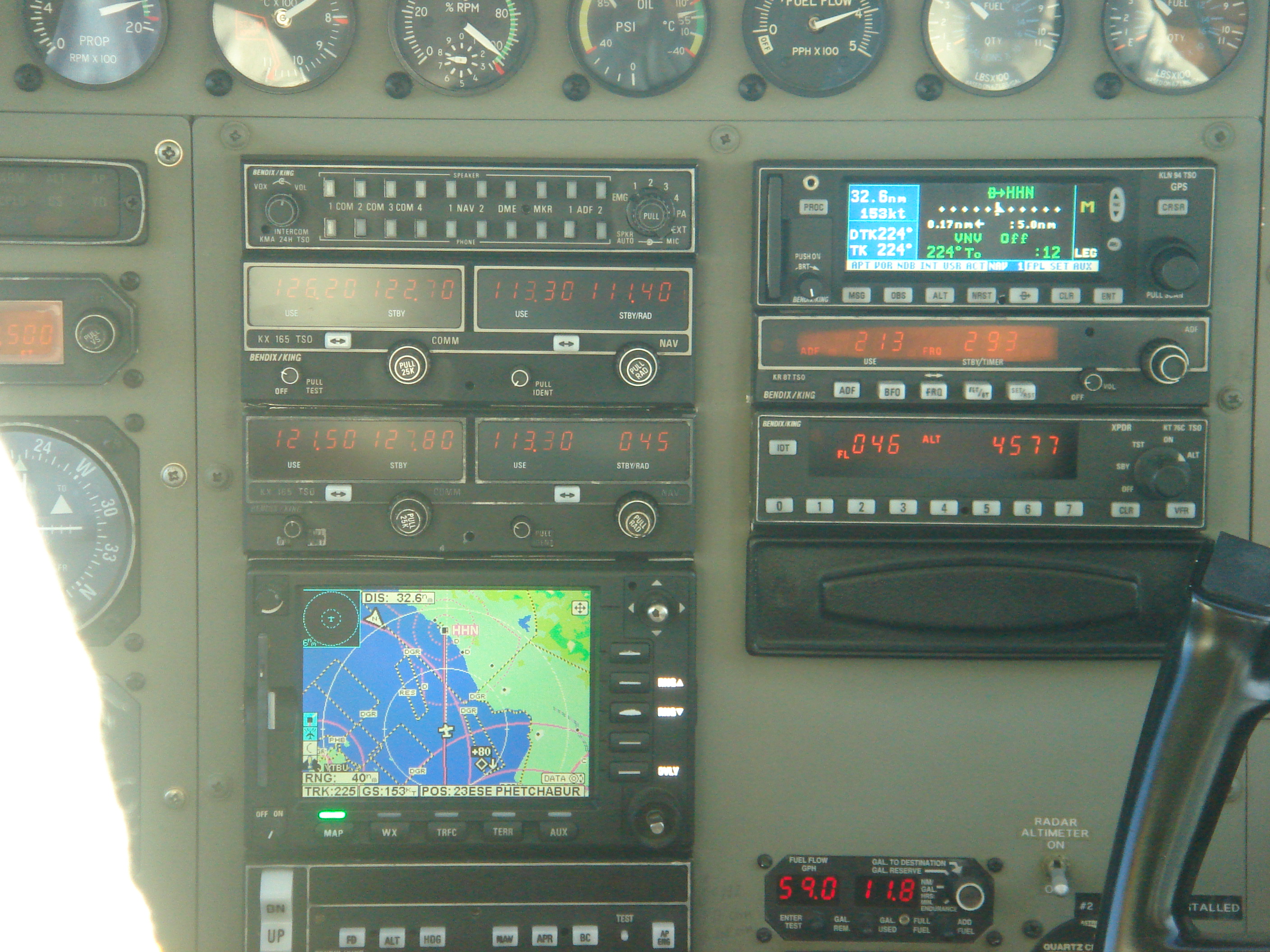
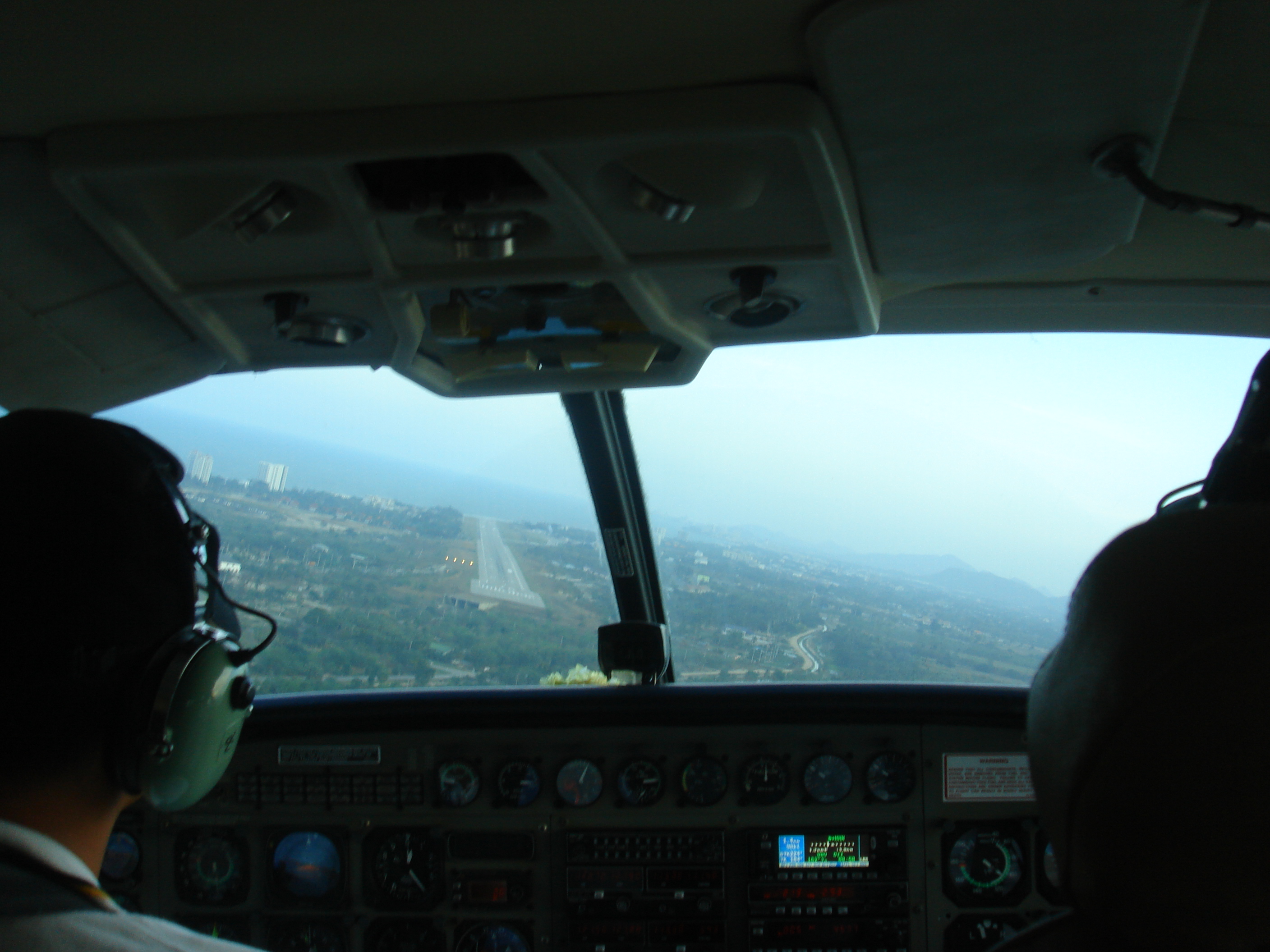
Size is not everything 15 April 2007 One of Thailand's smaller airlines is SGA - Siam General Aviation; their main route is a three times daily round trip from Bangkok to Hua Hin in a 12 seat Cessna Caravan. The airline has now entered a marketing/joint venture agreement with Thai AIrways' low cost subsidiary, Nok AIr. This is not exactly a low cost route at Baht 3,400 for a one way ticket. But at 35 minutes to Hua Hin it beats 3 hours in a taxi and is great fun. There were five passengers on board; and two pilots. And for Tai this was a very different experience from her EK 777s and A330s.
Beware of personalised Nigerian scams 7 April 2007 Nigeria is the land of evil scams....the endless emails about assorted dead relatives leaving massive fortunes in company accounts are irritating but not threatening. Just ignore them. But this time the approach is different. This time the letter is personalised, uses the name of a relative and was followed up by a phone call to my Dubai mobile number. How they got that number is a mystery. BARRISTER SULAIMAN JOHNSON EMAIL:sulaimanjohnson@s-johnsonsolicitors.com Dear Robert A Scott, This letter is not intended to cause any embarrassment in whatever form,rather it is intended to contact your esteemed self, following the knowledge of your high repute and trust worthiness. Firstly,I must solicit your confidentiality.I know that a proposal of this magnitude will make anyone apprehensive and worried,but I am assuring you that it is made in good faith and will be of mutual benefit. I am Barr.Sulaiman Johnson, Esq, the personal attorney to Mr. Alan Scott,hereinafter referred to as my client, a national of your country, who used to work with National Oil Plc.My client and his entire family were involved in a plane crash,Over 76 passengers died in the incidence,unfortunately my friend and his family lost their lives. My client {Alan} deposited as family belongings in a CONSIGNMENT (ie jewelries} with the value of $12,500,000.00 at a Finance Company here in Nigeria for himself, with the hope of transferring it to his country as soon as he is on leave. After these several unsuccessful attempts,I decided to contact you. I have contacted you to assist in repatriating the money and property left behind by my client before they get confiscated or declared unserviceable by the bank where this huge deposit were lodged.Particularly,the FINANCE COMPANY where the deceased had a TRUST ACCOUNT valued at about 12.5Million dollars has issued me a notice to provide the next of kin or have the account confiscated within the next twenty one official working days. Since I have been unsuccessful in locating the the relatives for over 2years now I seek your consent to present you as the Next Of Kin of the deceased so that the proceeds of this account valued at 12.5Million dollars can be paid to you and then you and i can share the money . I have all necessary legal documents that can be used to backup any claim we may make. All I require is your honest cooperation to enable us see this deal through. I guarantee that this will be executed under a legitimate arrangement that will protect you from any breach of the law. Please do acknowledge your acceptance by forwarding the following to me:Your fullname ,your private telephone and fax numbers and get in touch with me on my CONFIDENTIAL EMAIL: sulaimanjohnson@s-johnsonsolicitors.com Best regards, Barrister Sulaiman Johnson(esq)
Just remember dear reader, should you ever see such a letter, that whatever name you give it, they are only after YOUR money. There are no tragic accident victims, the unclaimed inheritance does not exist. You are supposed to think the emails are sent by barristers, lawyers, doctors, bank officials, priests, civil servants etc, - any kind of position that one would normally associate with honesty and trust. But these people are just common criminals. They send out thousands of emails to people. They trawl the internet for an email address where the person's name is also given in places like Whois domain ownership listings, MSN, Hotmail, Yahoo, eBay, PayPal, personal blogs, forums, guestbooks and bulletin boards to name a few. If they get replies, they will eventually ask for legal fees, inheritance tax, costs for documents, huge insurance premiums for consignments of cash notes, money to pay bribes to officials and on it goes. They will give addresses, phone numbers and email addresses for non-existent banks, delivery services, shipping agents and so on. All these fake contacts lead to other members of the scammer gang who play their parts in building up the fictitious scenario. You will never a see a cent of the fake inheritance. In short, it is the old classic "advance fee" scam used by conmen for hundreds of years. Eventually, having milked the victim for all the advance fee possibilities, they ask for personal bank details and if anyone was ever foolish enough to provide such information, no doubt the account would be drained and the fraudsters would disappear. This kind of advance fee email scam is known as a "419" by the internet community because it contravenes article 419 of the Nigerian criminal code - Nigeria is where this variation of the scam started in the late 1980s. It has been estimated that the 419 scam is the second highest foreign-currency-earning industry in Nigeria, but to my knowledge there has never been a conviction in that country for any offence relating to scam emails. That does make me wonder what kind of relationship might exist between the Nigerian authorities and the scammers. You have been warned (again!). Is 2007 the year we wake up to global warming? 7 April 2007 The world's scientists yesterday issued a grim forecast for life on earth when they published their latest assessment of the impacts of climate change. This may indeed be the year when we wake up and recognise that global warming is a serious issue. Whether we collectively and individually wake up enough to do anything about it is another matter. And this is the legacy that we will leave for the next and future generations. There is no doubt that a warming world will place hundreds of millions of extra people at greater risk of food and water shortages and threaten the survival of thousands of species of plants and animals. Floods, heatwaves, storms and droughts are all expected to increase, with people in poorer countries suffering the worst effects. The people that have done least to create global warming are those who will suffer the most. Sadly the report's release was delayed by arguments between scientists, who wrote the report, and some government representatives present mainly from the USA and China, who had to agree the final text and insisted some of its conclusions were weakened. The report is from the IPCC [the UN's Intergovernmental Panel on Climate Change]. Four areas were idenitifed as particularly vulnerable: the Arctic, where temperatures are rising fast and ice is melting; sub-Saharan Africa, where dry areas are forecast to get dryer; small islands, because of their inherent lack of capacity to adapt, and Asian mega-deltas, where billions of people will be at increased risk of flooding. The report, issued in Brussels by the IPCC, says natural systems on all continents and in some oceans are being affected by rising temperatures, and warming caused by human activity is likely to have had "a discernible influence on many physical and biological systems". Up to 30% of species studied face "an increased risk of extinction" if temperatures climb by 1.5C-2.5C, as they are predicted to this century. A temperature rise beyond 4C would bring "significant extinctions around the globe". Coral reefs, boreal forests and alpine ecosystems could also be damaged irreversibly. Yesterday's summary for policy makers report follows a similar UN summary of the science of global warming, which concluded in February that human activity was very likely to be responsible for recent warming. That appears irrefutable. It started with the industrial revolution and has continued unabated. A third IPCC summary report, on possible ways to tackle the problem, will be published next month. What action is taken, who by and at what cost, will be very telling. Climate change is one of the biggest injustices the world currently faces. It requires urgent and ambitious action by political and industrial leaders. But, is the report enough for G8 and other nations to make a commitment to tackle climate change? While we cannot reverse the damage already done, we can take steps to make a discernible difference for the future; but only if our political leaders and policy makers take action now, and we also make a personal pledge to cut our emissions. International action on climate change has so far focused on mitigation - addressing the causes by reducing greenhouse gas emissions. This report makes clear that action to adapt is also unavoidable. But the poor in developing countries are least able to adapt. Realistically what can every individual in the developed world do to make a difference or at least contain their impact on environmental change. After all we are not going to give up our cars, our air conditioners, our holidays and our flights. But a few small gestures help. The bigger efforts will require corporate initiative and government legislation. Choose efficient vehicles: a car that gets 20 miles to the gallon emits 50 tons of carbon dioxide over its lifetime. A car that gets double that mileage emits half as much — and will save you in gas. Drive smarter: Don't add extra weight, don't speed, don't drive aggressively and don't overuse your air conditioner, all of which decrease fuel economy. Inquire about becoming "carbon neutral": Companies will help you offset unavoidable emissions by, for example, maintaining forests that absorb CO2. Find out if your electricity supplier offers renewable energy. Many will generate at least half of their power from wind, solar energy or other sources. Use front-loading washing machines: They are more energy efficient because they use less energy to heat a smaller volume of water. In general use less hot water. In the shower or when boiling a kettle. Buy compact fluorescent light bulbs. Eat less meat; believe it or not, the stomachs of the world's 1.4 billion cows account for 14% of global emissions of methane, a greenhouse gas 20 times more potent than CO2. And there are other good reasons to cut down on meat too - it takes far more energy, land and water to produce the equivalent amount of calories from meat than from grain or soya. Eating more locally grown, seasonal food, reduces the CO2 needed to ship food around the world. Unplug phone
chargers, televisions, VCRs and other electronics — don't just turn them
off. According to the Department of Energy, nearly 75 percent of all
electricity used to power electronics in the average home is consumed by
products that are switched off. Gong Li on Curse of the Golden Flower 6 April 2007 Gong Li was born New Year's Eve, December 31, 1965, in Shenyang, Liaoning Province, China. Raised in Jinan, Gong Li is the daughter of an economics professor. She is China's best known actress; and some of her early movies were simply breathtaking. You did not need to understand Chinese. You simply needed to look at her face to understand. Her early movies with Zhang Yimou were not always welcome in China. A number were banned; others heavily edited. Lifetimes, their tale of a family destroyed by the Cultural Revolution was never released in China. More recently she has been working in Hollywood. So it is good to see her back reunited with mentor and ex-lover. Her list of movies includes:
From the Guardian - 6 April 2007 "The peasant girl who became empress is holding court in a very modern Chinese setting. Gong Li is in a bar in a Beijing hotel lobby, where a quartet of young female musicians - dressed in black miniskirts, low-cut tops and stilettoes - play light music to a ceaseless flow of guests and customers from around the world. Their recital is almost drowned out by the noisy chirruping of dozens of live chicks, part of an Easter display in which two rabbits are also hopping around The outside world has arguably never been more fascinated by China than it is now. And Gong is not only the country's most famous face, her life is a mirror of its progress. She first hit the world's consciousness in 1987 in the role of a poor peasant girl in Red Sorghum. In that film's unforgettable opening scene, she is inside a palanquin on her way to a marriage with a man she has never met. Without saying a word, Gong conveys a powerful mix of curiousity, sensuality, fear and excitement as she takes her shaky journey into a new future. In hindsight, it is hard to imagine a better image for what was then a poor country embarking on a course of dramatic but uncertain change. Twenty years on, she is once again a figure for her age, though this time in the vastly different role of a Tang dynasty empress in her latest film, Curse of the Golden Flower. Though powerful and rich, her character is slowly being poisoned inside the opulent, decadent and morally bankrupt Tang dynasty court. For Gong, the transition between the two is personal. "The change of roles reflects the way I have grown up, the way my career has developed. My life has been that of someone who has moved from the countryside to the society. To make that transition, I have had to learn a lot." But there is another more personal reason why Curse is important: "For me, the significance of this film is that I was able to work again with director Zhang Yimou for the first time in more than 10 years. That was very exciting." Zhang discovered her, propelled her to international stardom and became her lover. There has been intense speculation in China that their reunion may be more than creative. Is she still his muse? "I would like to be, but I don't know if that is really the case," she says. "We have a pleasant, easygoing working relationship. It is easier to talk with each other than it was before and it is easier than it is with other directors. We have a mutual understanding. We have known each other a long time. We have lived together. We know each other's characters very well. That is very important." No film has ever generated such expectations in China. As well as marking the creative reunion of the country's two most famous lovers and celebrities, Curse has the biggest budget - $45m (£23m) - in the nation's history. The tale from the golden age of Chinese civilisation is written for an actor and a nation in their prime. When it opened in China last year, it broke box-office records. But the critical response was disappointing. The film got mixed reviews. Most thought it was long on style and short on substance. Most of the attention from domestic critics was on the amount of décolletage on show from women characters in the film. The result is eye-poppingly lavish - a feast of flesh as well as colour. While local critics may be loath to admit it, China came rather late to the Gong Li phenomenon. But after taking the actress to its heart, it has held on with a sometimes savage ferocity. The past few months have seen a string of stories about Gong, nearly all of them negative. When she made a public plea for greater environmental protection at this year's parliamentary consultative committee, she was accused of hypocrisy, because she wore animal fur, and childishness, because she used ordinary language rather than convoluted bureaucratic terminology. "Fans in China are very different from those overseas. In China, many people really love me and care about my life. But there is always some jealousy mixed up in this feeling of love. I think that is the big difference. Overseas, there is none of that," she says. "Chinese people become jealous about status more easily. Foreigners are more inclined to look up to successful people. I don't understand why there is a difference. If two people start at the same point and then one person gets ahead, the other should work hard to catch up. But instead, they just curse. They are jealous." Gong was born to an academic family in north-east China in 1965, and became famous abroad long before she was a big name at home, largely as a result of domestic censorship of several of her early films. Nowadays, she sees herself as a pioneer, challenging the idea that women should be passive and subservient. "I guess my personality is that of a modern, strong Chinese woman. I don't believe in destiny. There are many things that can be changed. I don't like to be defeated by difficulties. I love freedom so when I am shaping a character, I usually do it the way I want. I always find some part of my own character in a role." So what part of Gong is revealed in the scheming, incestuous and defiant figure she plays in Curse? The plot revolved around the empress's struggle against her husband, who is slowly poisoning his unfaithful wife with a concoction he insists she take as medicine. "To me, this film is about a woman's struggle against masculine society. Nowadays, there is a lot of discussion about sexual equality, but men are still dominant," she says. "I think the director's message is that the means are more important than the ends. It doesn't matter if you win or lose, the main thing is that you must try." The film also features a massacre - orchestrated by an emperor determined to cling on to power - and a cover-up, which prompted more than one critic to draw comparisons with the Tiananmen Square killings in 1989. Gong has mixed feelings about 1989, when she was one of the students on the square. "I wasn't really clear about why people did what they did, but my classmates went to the square so I did too," she says. "It was a very powerful experience. We felt we were doing something meaningful. But after a while, I started to have doubts. If the students were granted the rights they demanded, I wondered what kind of government we would have. What kind of leaders would they be? Would I like to live under their rule? I lost confidence in them." Instead, she says, she strove for greater personal independence. "I felt that I should have my own opinion, not just follow blindly. That is what 1989 taught me." Off screen, Gong and Zhang are undoubtedly closer to the establishment than they were in their early days, when they were considered cinematic dissidents. But today, Zhang is being paid by the authorities to choreograph the opening ceremony of the Beijing Olympics, while Gong serves as a delegate to the Chinese People's Political Consultative Conference - an advisory body for the country's rubber-stamp parliament. Ten years ago, that would have been unthinkable. Has the system changed, or have they? "Time has passed. We have grown up. We feel a stronger sense of social responsibility. What we say and what we do influences people. We think more about what we can do for our country. It is not a case of being inside or outside the system," she says. "I don't think I have changed a lot. I just pay more attention to what is going on around me and try to find something to do for my family, my friends and all Chinese people." But she is also looking overseas like never before. In the past two years, she has made a string of films in Hollywood, such as Miami Vice, Young Hannibal and Memoirs of a Geisha. "Due to China's heightened status in the world, it is no longer the case that I go to Hollywood. Instead, Hollywood approaches China," she says. "They have started to write screenplays that include interesting roles for Chinese and other Asian women. This was not the case 20 years ago. At that time, Asian women were needed only to decorate a film or to spice it up with kung fu. That held no interest for me. But now there are good opportunities for Chinese actresses in Hollywood. I can be in a film as an artist, not as a decoration." In China, Gong's move from arthouse classics to Hollywood remakes has not gone down well, with a nationalist overtone in much of the criticism. That was particularly evident last year, when Gong and Zhang Ziyi were accused of betraying their country after playing Japanese courtesans in Memoirs of a Geisha. Gong is unrepentant, saying she identified with her role. "She fights against her situation and old-fashioned Asian culture. She does not just accept her fate. She struggles. I don't think she is typically Asian. She is quite westernised. I like her and agree with what she does." And what of the future? She will always work, she says, if what she is offered is good enough. But what she wants for the future, she says, is the choice to decide her own fate. Like refusing to drink poison, I ask. And she laughs that glorious laugh and violently re-enacts her empress role, smashing an invisible cup of toxic medicine into smithereens. Memories of Antigua 5 April 2007 In 1990 I flew with three friends from Toronto to Antigua in the West Indies for a short vacation. The vacation happened to coincide with the last three days of the fifth and final test of the West Indies vs England series. Even as we landed you could hear the commentary on the local radio network. In customs everyone asked were we there to watch the cricket. Antigua then had a population of only 80,000. They were either at the old Recreation Ground watching the cricket or were listening. Now for the Cricket World Cup the old recreation ground has been replaced by the new Sir Vivian Richards Stadium, built with Chinese money and what do they know about cricket! The trouble with the new stadium is that there is no atmosphere; no sense of party. At the Recreation Ground the party was led by Labon Kenneth Blackburn Leeweltine Buckonon Benjamin, better known as Gravy. Given the nickname by his mother following a meal-time request, Gravy runs a store selling "various goods" on Market Street in St John's and has his own taxi stand. Between 1988 and 2000 he often stole the limelight at the ARG with his outlandish outfits and even more outrageous dancing escapades. During the 1990 England tour of the Caribbean, he enthralled Antiguans and TV viewers around the world with some audacious head spins. Gravy retired in 2000, marking the occasion by wearing a bridal dress - "I wanted to step out in style and there is nothing more stylish than a wedding gown" - but his legend lives on. At the opposite end of the ARG used to stand comedian Mayfield - real name Ronald Hosier - who would try to outdo Gravy with his own dancing. Another visually striking image to garnish Antiguan cricket has been Pappie the bugler, who has been watching games for 40 years. Conducting proceedings for Gravy, Mayfield and Pappie at the ARG was resident DJ Chickie, who now has a modern booth at the Sir Vivian Richards Stadium. DJ Chickie started the Party Stand at the old stadium. He had huge disco speakers that were set up on the top deck of the only two level stand. In 1986 as Vivian Richards was scoring the fastest ever test century against the English he played "Captain, the Ship is Sinking," triggering tumultuous applause and uproarious laughter all round from the English and West Indians. There also used to be regular outbursts of London Bridge is falling down. At the 1990 series - Lisa Stansfield's "Been Around the World" was the song to play, before after and during the game. At the fall of a wicket or in a drinks break the whole crowd would be on their feet dancing and singing. The ground was small; the stands were made of wood and corrugated iron. The catering was from the equivalent of street market stalls. But for the generosity of the welcome and the sheer love of sport it was a fabulous place to be. Despite the distractions the cricket took centre stage. The noise was an enhancement rather than an intrusion, as was the constant competing percussive brilliance of the Iron band, musicians whose rhythm came from beating metal pipes, or hubcaps, brake drums, door panels. In the clean, shiny new Richards stadium, there has been nowhere near as much commotion. Antigua is the spiritual home of Sir Vivian Richards. A taxi took us past his home one day. As a boy he clambered up trees outside to perch and watch matches. Perhaps the powers that be could have upgraded the ARG to preserve cricket's integrity here, Chinese money, grabbed eagerly, has produced the new stadium out of town. It looks like a good stadium and maybe in time it will develop its own personality. But at the moment it does not reflect Antigua's cricket heritage immortalised in calypso: Richie Richardson ("Who is dat man flashin' blade in de han'?"), Ambrose ("He mek de batsman shiver when he run up to deliver") and Andy Roberts and of course Sir Vivian. The danger is that the new stadium is a white elephant that will see, if it is lucky, one Test match a year and little else. There is talk of enticing baseball teams down from the States. That is the legacy that the World Cup could leave on the island. Baseball. That's not what I remember from my time in Antigua! Farewell to a Heathrow Landmark 2 April 2007 A scale model of Concorde which has had pride of place at Heathrow Airport's entrance for 16 years has been removed. British Airways (BA) has decided not to renew the £1.5m annual rent to advertise on the roundabout at the gateway to the airport. More than 25 million travellers a year passed by the 4/10 scale model of the supersonic airliner. Emirates has taken the space and will put its own model of an A380 jumbo up on the site. Emirates Airline has signed a six-year deal to advertise on the site. The old BA model has been donated to Brooklands Museum, Weybridge, Surrey. The Concorde was retired from BA service in 2003. Passenger travelling by road to Terminals One, Two and Three pass the site, which is thought to have been seen by more than 400 million people in the last 16 years. Vic Sheppard, Emirates vice-president UK and Ireland, said: "Concorde will always have a place in the hearts of all aviation enthusiasts, but it represents the past, while we will be using this site in a fresh and innovative way." The model will join one of the remaining full-size Concordes at the museum. It will be rebuilt at the museum after being broken up in order to transport it along the M25.
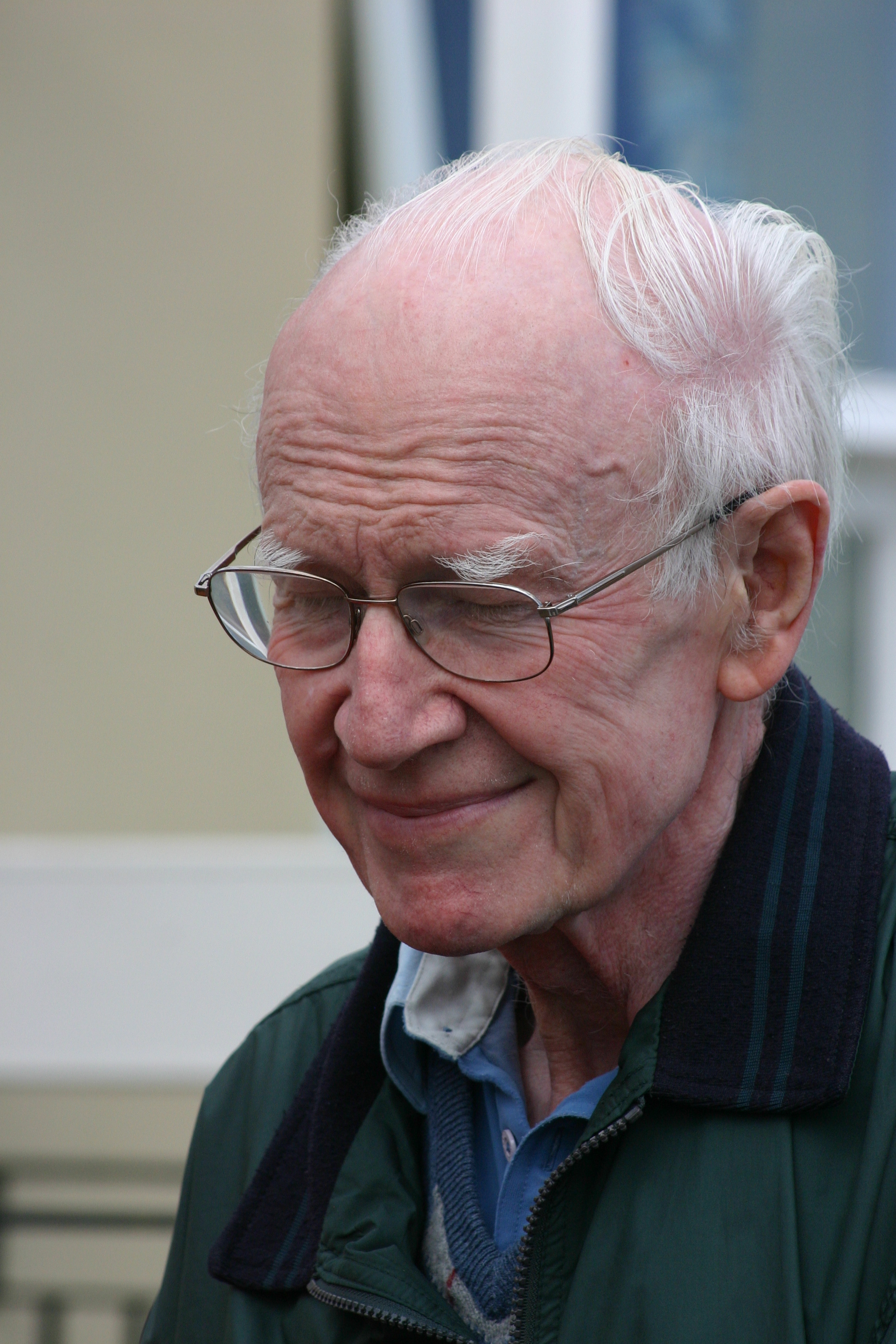
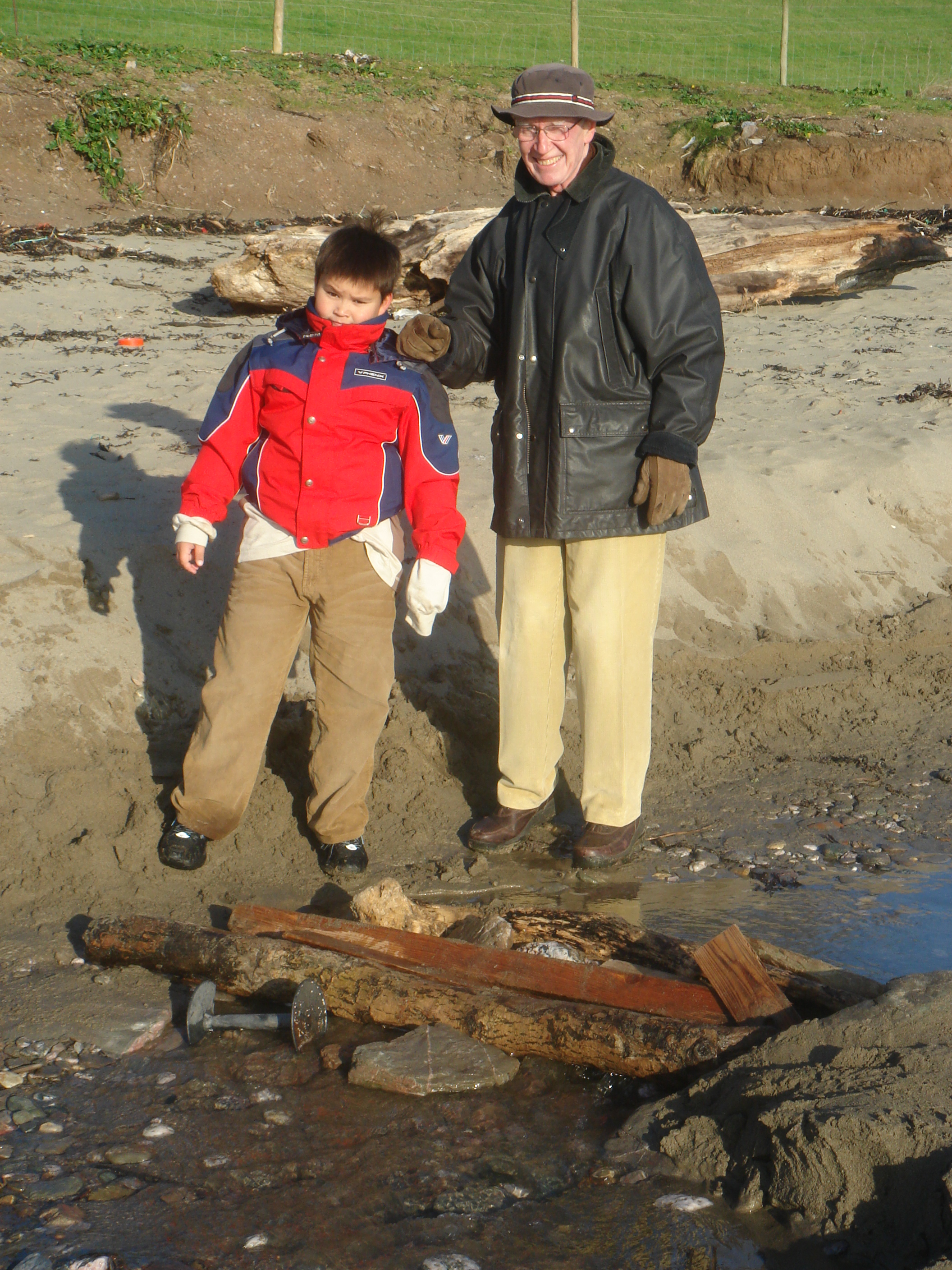
One year on: Brian W Scott.
|
|
 Paradorn
Srichaphan and Canadian former Miss Universe Natalie Glebova officially
announced their engagement at a press conference held at Bangkok's Sukhothai
hotel on Tuesday in front of an army of reporters.
Paradorn
Srichaphan and Canadian former Miss Universe Natalie Glebova officially
announced their engagement at a press conference held at Bangkok's Sukhothai
hotel on Tuesday in front of an army of reporters.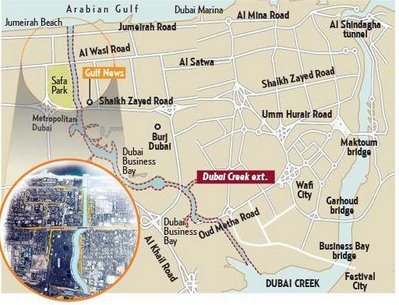





 This is on 22 April 2007. And once again he is running for
charity - for the Leonard Cheshire homes. Leonard Cheshire is the largest
charity provider of disability support services in the UK. It supports over
21,000 disabled people in the UK, offering flexible services to meet a wide
range of needs. The charity also campaigns for the rights of over 8 million
disabled people and raises awareness of the issues affecting them. Outside
of the UK, they support disabled people in 57 countries across the world.
This is on 22 April 2007. And once again he is running for
charity - for the Leonard Cheshire homes. Leonard Cheshire is the largest
charity provider of disability support services in the UK. It supports over
21,000 disabled people in the UK, offering flexible services to meet a wide
range of needs. The charity also campaigns for the rights of over 8 million
disabled people and raises awareness of the issues affecting them. Outside
of the UK, they support disabled people in 57 countries across the world.