Welcome to rascott.com
This is a
personal site that reflects my interests in news,
current affairs, aviation and travel.
email me: robert@rascott.com
Now In Dubai:
Scott
Consulting
Photo Albums
My photographs have been moved off this site and are now stored on Picasa. They
were simply taking up too much space on my web host.
Please use
this link to see my list of photo albums.
Some
Useful links:
Information:
World Time
Clock
Exchange Rates
Journalism:
ForeignPolicy
Nationsonline.org
Project Syndicate
Amnesty International
Reporters w/o borders
The Guardian
BBC World News
CNN Asia
Bangkok Post
Daylife.com - news
Gulf News
Arabian Business
World News
WSJ - Asia
SCMP
Good causes:
Sister
Joan - Bangkok
Regional Info:
BKK Magazine
HK Magazine
In
Singapore Magazine
TimeOut Dubai
Back in the UK:
Newton Ferrers
And for fun:
Lin Ping live panda tv
EarthCam
History
BBC Archive
National Media
Museum
The British Library
Imperial War Museum
There are many other links on my AOB blog page.
|
The perils of a foreign land 30 November 2007 Today in Sudan an English teacher languishes in prison. Why? Because she allowed the primary school students in her class in Khartoum to call a teddy bear Mohamed, the revered name of the Prophet. In a hasty trial she was sentenced yesterday to 15 days in prison followed by deportation for insulting religion and inciting hatred. The British media in particular reports this case as further evidence of the barbarism inherent in a fundamentalist interpretation of Islam. In Sudan it has played out as further proof of a concerted campaign to denigrate Islam. Of course it is nothing of the sort. Ms Gillian Gibbons is an innocent abroad caught up in a political drama that uses religion as an excuse. But her case does show just how exposed we all can be living in foreign lands where one simple act can change our lives and how naive or innocent actions that are acceptable is one lands can bring frightening repercussions in others. Ms Gibbons was bringing education to the nation's children. She would never have thought that the naming of a bear would land her in court where potentially she was facing jail, 40 lashes in public and deportation. Ms Gibbons was a teacher at Unity High School, a school run by Christians that follows a British-style curriculum. It is a prominent reminder of Sudan's colonial past, a tempting target to a government seeking political gain. Ms Gibbons has become caught up in the ugly politics of Sudan. This case distracts attention from the Sudanese government's ugly role in the Darfur conflict and deteriorating relations with the south of the country. Ms Gibbons was arrested after police received a complaint from the school secretary that the teacher insulted the Prophet Mohamed by allowing her students to give a teddy bear his name. In September, the pupils had been allowed to vote on a name for the stuffed toy and rejected Ms Gibbons' suggestion of "Faris", meaning horseman, in favour of "Mohamed" – also the name of one of the most popular boys in her class. Each weekend, one pupil was allowed to take the bear home and detail its " activities" in a diary which bore a picture of the teddy on the cover next to the words "My Name is Mohamed". The row could have been defused by quiet diplomacy, but instead incendiary literature was circulated in Khartoum and mass demonstrations were organised. This was not some spontaneous outpouring by outraged believers. The semi-official Assembly of Ulemas, consisting of clerics and scholars, had already made up its collective mind that “what has happened was not haphazard or carried out from ignorance”. Such statements are the calculated response of the Sudan regime. Meanwhile in Darfur there have been four years of fighting between insurgents and government-backed militias; perhaps as many as 300,000 lives have been lost, with 2.2 million left homeless. Khartoum has been accused of genocide. So the government positions itself as the defender of Islam and dismisses criticism as unwarranted interference from the anti-Islamic West. The Sudanese regime has made its point and the Khartoum courts will release and deport Mrs Gibbons after 15 days ending this salutary tale of political and religious paranoia. Ms Gibbons was and innocent lost abroad caught up in events far beyond her classroom. Court to rule on BKK night flights 29 November 2007 The Administrative Court in Bangkok is expected to rule within days on demands to suspend night flights at Suvarnabhumi airport by people living in its vicinity. Somchai Armin, who represents the 359 residents bringing the noise-abatement case, said the flights could be moved to Don Mueang airport. This is highly unlikely to succeed. His clients have asked the court to bar domestic and international flights at Suvarnabhumi from 10pm to 5am so they can get a proper night's sleep. Mr Somchai said yesterday's hearing focused on the impact the ban would have on the country and measures to alleviate the residents' plight. He expected a decision within a few days. The residents brought a case in the court on Nov 21 against Airports of Thailand (AoT), the Civil Aviation Department chief, the transport minister, the Pollution Control Department chief and the natural resources and environment minister. AoT representatives rejected the demand, saying it would cause losses of two billion baht a day and possible lawsuits from air carriers demanding compensation for breach of contract. Mr Somchai, who is a member of the Lawyers Council of Thailand's environmental committee, said night flights could be shifted to Don Mueang. The AoT said it was not possible as flights were scheduled in advance. However, it was possible that flights which caused excessive noise could be limited to the daytime.
Bahrain Air to launch in January 24 November 2007 The Gulf skies will get a little more crowded as Bahrain's second national carrier Bahrain Air will start operations on January 17. The low-cost airline, which will also offer business class, will use a modern Airbus A320 fleet - with 12 seats in business and 150 in economy. It will initially fly on Bahrain, Dubai, Mashad, Beirut and Alexandria routes. The airline plans to increase the number of destinations to 25 in the next three years. There are expected to be 14 destinations by April 2008, 23, including the Indian subcontinent, by 2009 and to 25 by 2010. This will add to he pressure on the ailing national carrier, Gulf Air. Will Labour win down under? 24 November 2007 It is a fascinating election campaign. The Australians economically are sound; Australia is prosperous. Economic growth has been churning along for more than a decade, largely fueled by funneling resources into the mighty engine of China. Unemployment is at a generational low of barely 4% and getting lower. So the usual epithet of it it isn't broke don't fix it should apply. But Australians also appear to be tired of 11 years of rule by John Howard's Liberal (read Conservative) coalition. The issues are more about Australia's moral responsibilities; issues of global warming, and participation in Iraq are at the fore. Voting is compulsory in Australia (they should try that in the USA). The polls are now closed and the Labour Party is claiming a win. Exit polls appear to favour a Labour win but can people really embrace the unknown and evict a government that has managed their prosperity. The Sydney Morning Herald pulls no punches - "A clear majority remain heartily sick of the Prime Minister and his Coalition claque of tired mediocrities." Meanwhile the Age in Melbourne states that "ONLY the return of the Coalition Government will guarantee that the Australian economy remains in safe hands. A strong economy enables governments to deliver better deals in education, health, the environment and infrastructure." Rudd made climate change the issue for his Labour Party and Howard was left behind. There may be a lesson here for the next US election; is climate change is definite vote winner with younger voters? The Labour Party in Australia is both aware of it and says it has a coherent policy to address it. As well as facing a significant Labour majority Mr Howard looks very likely to lose his Sydney based constituency. If he does he will become only the second sitting prime minister in Australia’s 106-year history of federal government to lose his seat. As for Mr. Rudd: he is widely considered a nerdy technocrat, lofty intellectual and all-round know it all. Caught eating his earwax in a parliamentary debate suddenly made him more human and approachable. Search for this on Youtube;it is funny ! Rudd then came to national prominence as Labour's foreign affairs spokesman before winning the leadership last December, ending years of disarray in the party. In character he is similar to Howard; being regarded as bland enough to avoid polarising voters too much. Both are family men, committed Christians and economic conservatives. Mr Howard barely drinks; Mr Rudd says he has been drunk just twice in his life. "Kevin Rudd is basically John Howard without the nasty bits," said Peter Hartcher, political editor of the Sydney Morning Herald. Labour's promises include scrapping the controversial industrial relations reforms, providing a free computer for every high school student and generous tax breaks. On foreign policy, Mr Rudd has promised to withdraw Australia's 550 combat troops from Iraq and sign the Kyoto Protocol on global warming. He would maintain Australian forces in Afghanistan and might even expand their deployment. Relations with Britain are likely to remain largely unchanged. The key relationship will be with China. Rudd, a fluent Mandarin speaker was a diplomat in Beijing and there are billions of dollars of trade between the two nations. In an tiring election campaign of television, internet and baby kissing Rudd has by all accounts appeared slick, almost presidential. An Australian Tony Blair in the early days before he got dragged into Iraq. Long serving governments get lazy and jaded and out of touch. It probably is time for a change. RAK Air ready to take off 23 November 2007 RAK Airways
announced yesterday it will take to the skies on November 29 with its
inaugural flight to Beirut. The airline will start with one Boeing-757 and will add two more aircraft, either Boeing 737-800s or Airbus A320s before the end of the year.
There are plans to expand the fleet to have 10 aircraft by
2010, covering about 20 destinations within the Gulf, South Asia, Middle
East and East Africa. The airline plans to undertake transcontinental
flights over the next two to three years. Dubai built it and the world did come From The Financial Times - 22 November 2007 An interesting commentary on the growth of, and life in, Dubai from John Gapper in the Financial Times: "My epiphany about the Gulf state of Dubai came one night last week in the Souk Madinat Jumeirah. I was standing in the local franchise of Trader Vic’s, the Californian Hawaiian-themed bar, with a Mai Tai cocktail in hand, watching people dance to a salsa band. I was with a bunch of visitors and locals, some of them consultants at McKinsey & Co, which has a large office in Dubai, as have many European and US banks and legal firms. One of the group was from Spain, another from Venezuela and a third from South Africa. Rounding it out were Americans whose parents were variously born in Jordan, Pakistan and Taiwan. It felt as if I had died and gone to expatriate heaven. There are many jaw-dropping things about the flashiest city-state of the United Arab Emirates: the rows of office and hotel towers decorated in marble and gold leaf; the miles of coastal salt-flats reclaimed into sandy beaches; the vast desert area where the Universal City Dubailand theme park will go; the new airport that will supposedly be bigger than Heathrow and LAX combined. But the true astonishment is that the Dubai ruling family’s “build it and they will come” philosophy has, since the opening of the Jebel Ali free port in 1979, worked so well. What do you get when you combine expensive infrastructure, the petrodollar boom, no income tax and freedom to behave as you wish? A land where expats outnumber locals 10 to one. Dubai has its flaws but I do not think any is sufficient to discredit what Sheikh Mohammed bin Rashid Al Maktoum and his father, Sheikh Rashid, before him have done. They have not only been willing to take hefty risks to diversify Dubai’s economy away from oil but have also adopted a stance of openness that is often unmatched in, for example, the US. It soon becomes obvious on a visit to Dubai that the US security alarm last year about DP World, the port operator that on Wednesday priced its initial public offering at the top of the range, reflected a shameful ignorance about the UAE. Dubai’s glaring weakness is that its fortunes are tied to the price of oil. At $100 a barrel, there is a property boom and a party every night in the nightclubs of the Souk Madinat. On paper, the economy is well diversified – only 5 per cent of gross domestic product comes directly from oil. But its role as a trade and shipping centre for the Gulf and wider region makes it dependent on energy in myriad ways. A second flaw is that it is culturally absurd. It is hard to stop laughing at Dubai’s oddness on a first visit. Walk through the Kempinksi hotel by the Mall of the Emirates and you pass a man in a dishdash (a long, one-piece tunic) pouring coffee from a shining pot. A few yards past him is the famous indoor ski slope. Behind that lies every imaginable western store, from Harvey Nichols to Carrefour. People from nearby Abu Dhabi, which disdains ski slopes and is building outposts of the Louvre and Guggenheim museums on Saadiyat Island, are not alone in regarding Dubai as shallow and amoral. It lacks gambling but is otherwise a monument to western pleasure-seeking. A third flaw is that it is very stratified. The temporary immigrants who build its skyscrapers enjoy few rights and have just gone on strike for higher pay amid a falling dollar and rising inflation. Many businesses are run by expats and pad payrolls with locals to meet job quotas. One British expat jibe has it that Emirates stands for “English managed, Indian run, Arabs taking enormous salaries”. Natives in many countries complain of being swamped by immigrants but it happens to be true in Dubai. As long as the economy rattles along and the expats keep demonstrating that Dubai needs them, tensions are manageable. But it is easy to imagine tensions getting out of control in an economic downturn. In spite of all of this – even because of some of it – I admire Dubai. Few, if any, other states have such open borders. Hong Kong and Singapore have built on their colonial pasts to become international trading and financial centres. The City of London benefits from being cosmopolitan. But none of them has taken the plunge so utterly. In a sense it is an obvious strategy. My companions in Trader Vic’s were members of an international elite that grew up after the collapse of the Berlin wall and the triumph of capitalism. They attended universities and business schools where nationality was irrelevant and they have more in common with each other than with many of their own country’s people. If you have the money – as Dubai assuredly does – such people are guns for hire. It is as easy to recruit consultants and bankers to construct a regulatory and legal system fit for an international financial centre as it is to attract the engineers to build highways and skyscrapers. Apart from money, all it takes is will. Most countries lack it. Politicians have no incentive to award preferential treatment to a bunch of privileged outsiders. The idea that the natives will benefit from opening their borders to others who know more than they do is a tough sell. There are probably many Washington politicians who realise that the “war on terror” paranoia that has closed US borders to many skilled immigrants is misguided, but it plays in Peoria. Sheikhs have an advantage in this regard: they are not constrained by democracy. Even so, it was not a natural step for an Arab emirate to open itself to the world. It has produced some odd and some unsettling results but, in the round, it is a brave and clever economic strategy. Mix a cocktail and they will come Meaningless Asean values 20 November 2007 Never has the Asean region made so much noise and been so impotent at the same time. This
week leaders from across Southeast Asia are meeting in Singapore to mark the
40th anniversary of their Association of Southeast Asian Nations (ASEAN) and
to sign a new charter binding Asean into a European-style community. . The
ASEAN charter sets out a common set of rules for negotiations in trade,
investment, environment and other fields. It aims to turn Southeast Asia
into a single market and production base with a free flow of goods,
services, investment and capital. On Monday, the 10 members of ASEAN abruptly withdrew an invitation to U.N. envoy Ibrahim Gambari to address Asian leaders after Myanmar objected. They further rejected calls to suspend Myanmar from the bloc to punish the junta's September crackdown on pro-democracy protesters, and its refusal to free Suu Kyi. ASEAN's Secretary-General Ong Keng Yong insisted the body was not kowtowing to Myanmar, also known as Burma, by shelving Gambari's scheduled address on Wednesday. Very unconvincing. "We don't want to come across as being too confrontational in a situation like this," Ong apparently told reporters. Certainly not as confrontational as the Burnese troops who were beating the monks. Observers said the
credibility of the Association of South-East Asian Nations had been
shattered by the abrupt cancellation of UN special envoy Ibrahim Gambari's
planned briefing to its leaders on Monday. At a minimum a meeting with
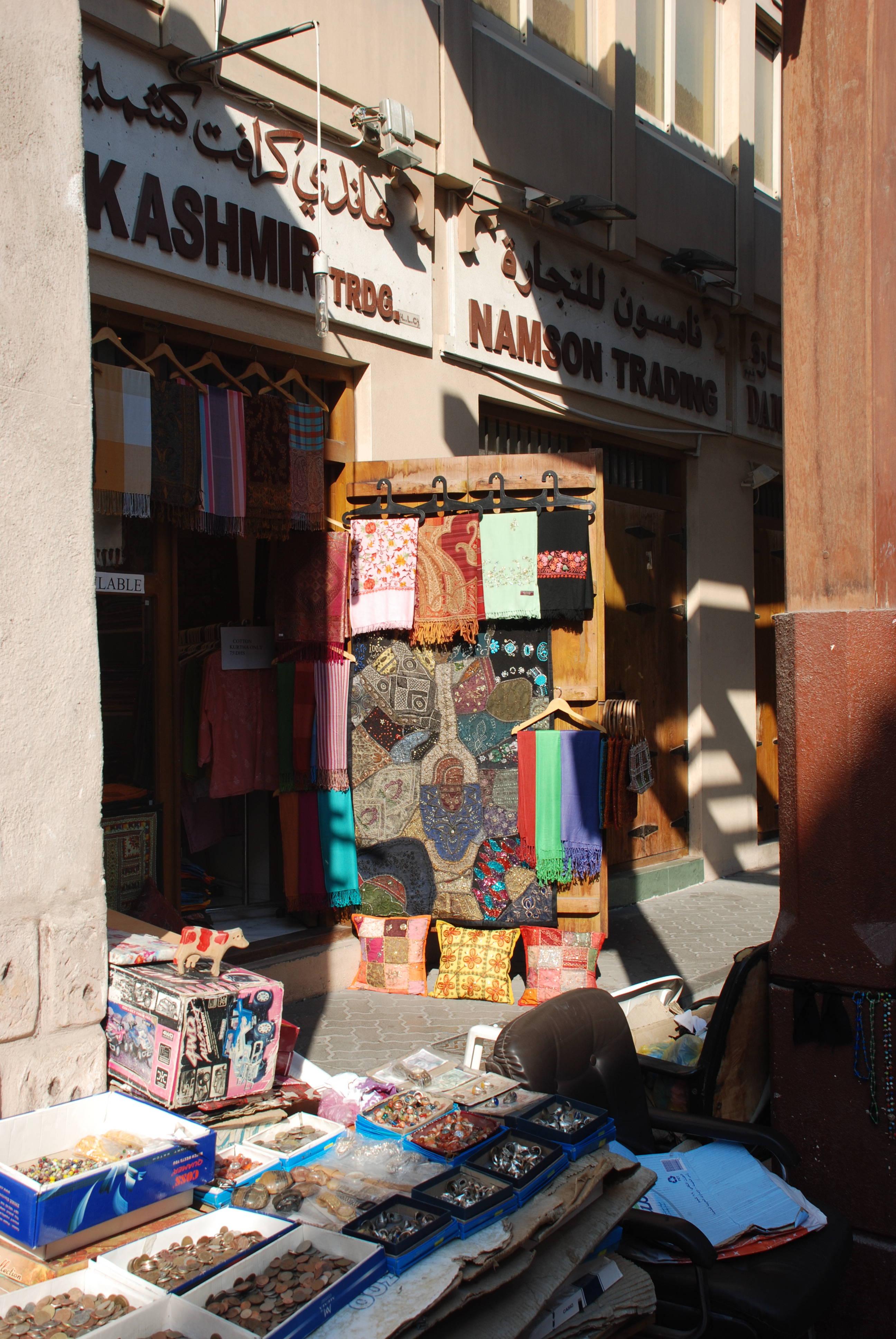
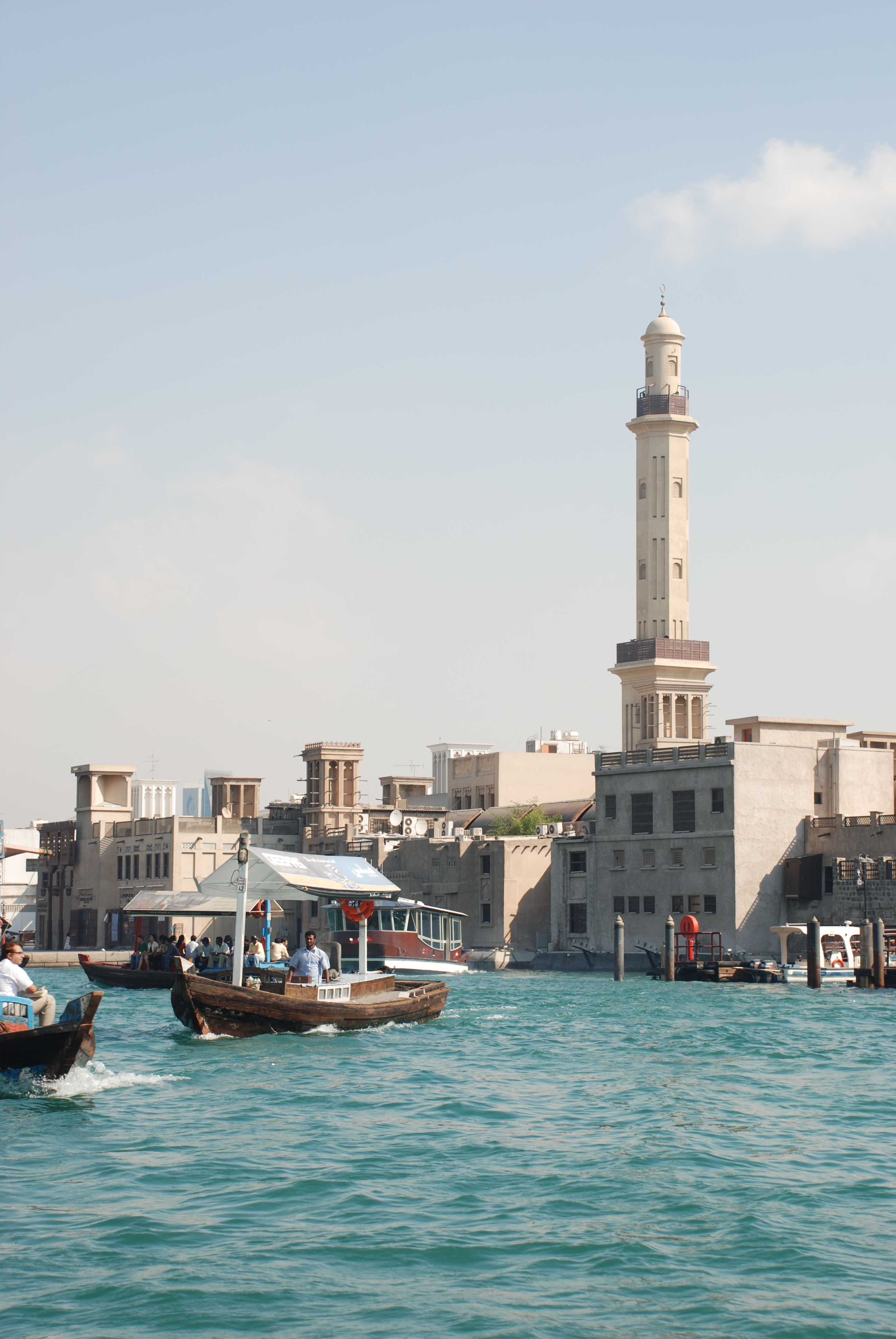
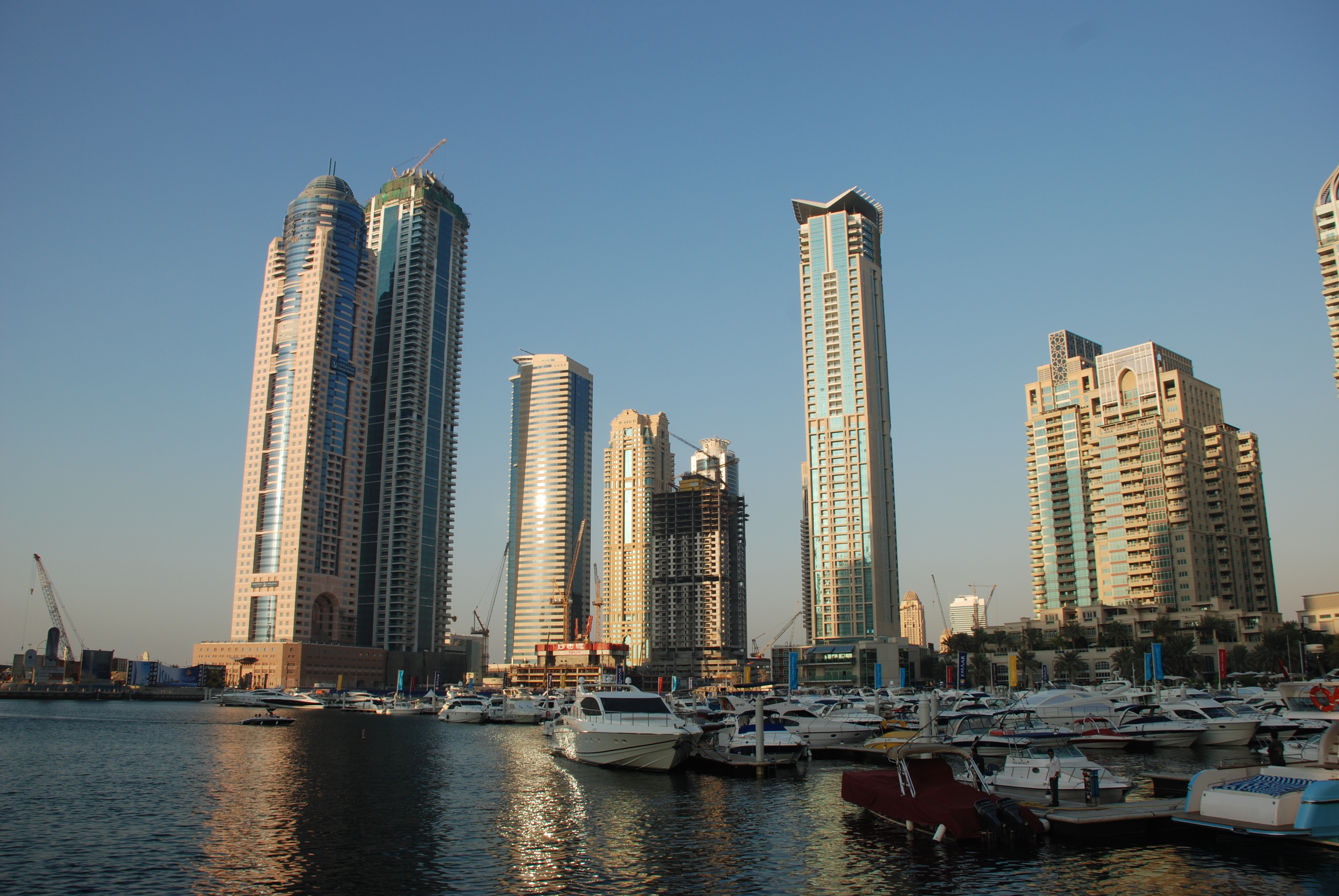
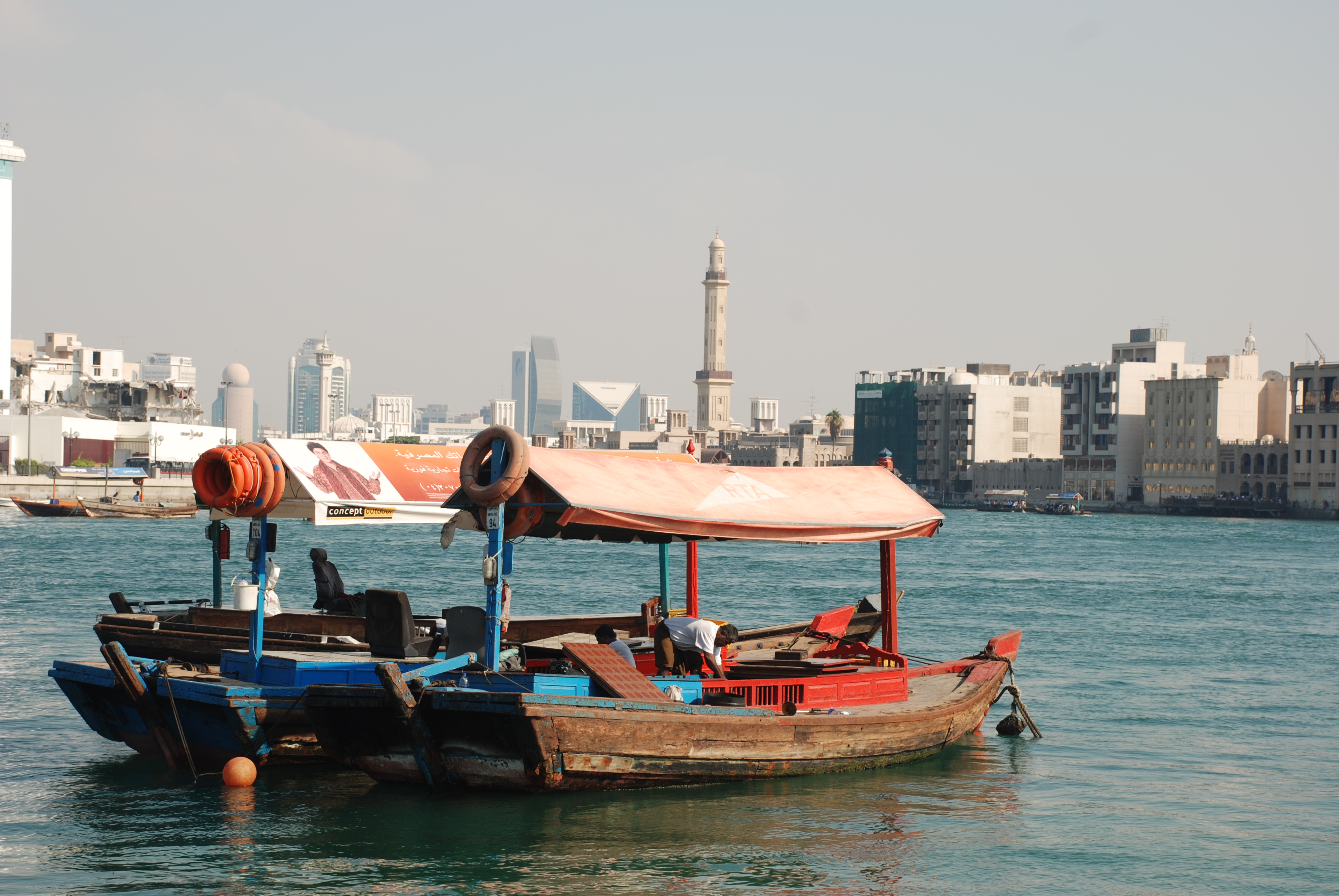
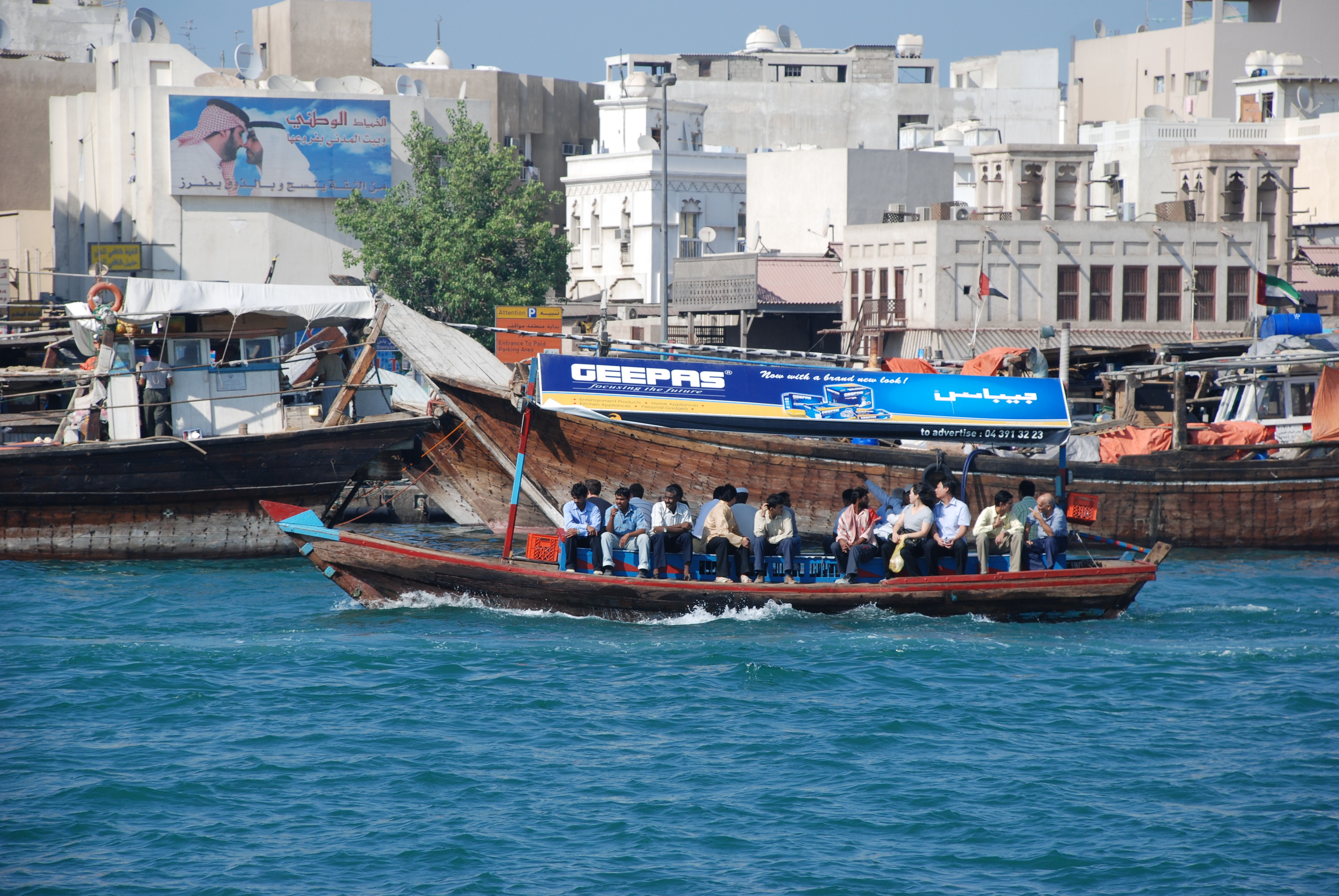
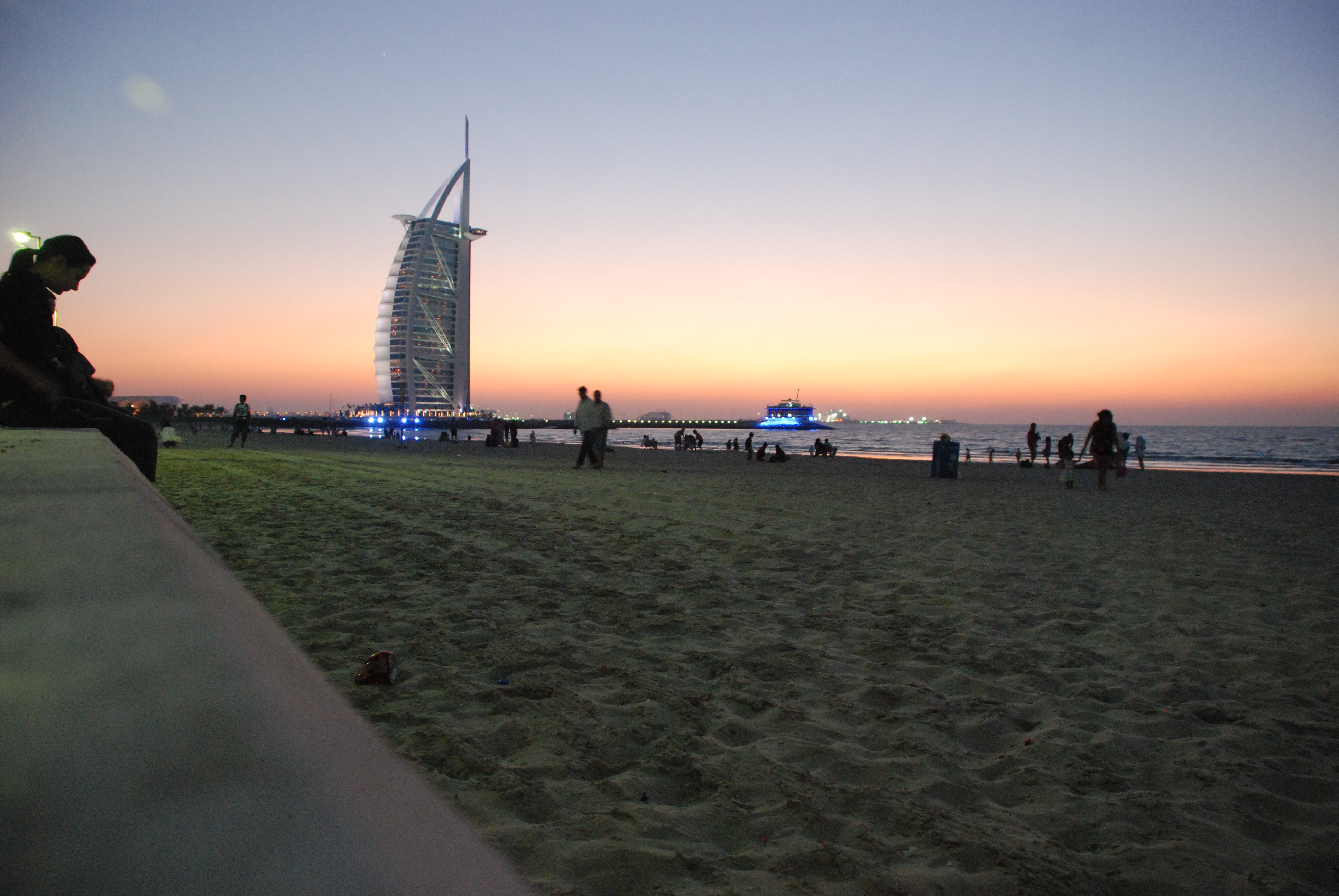
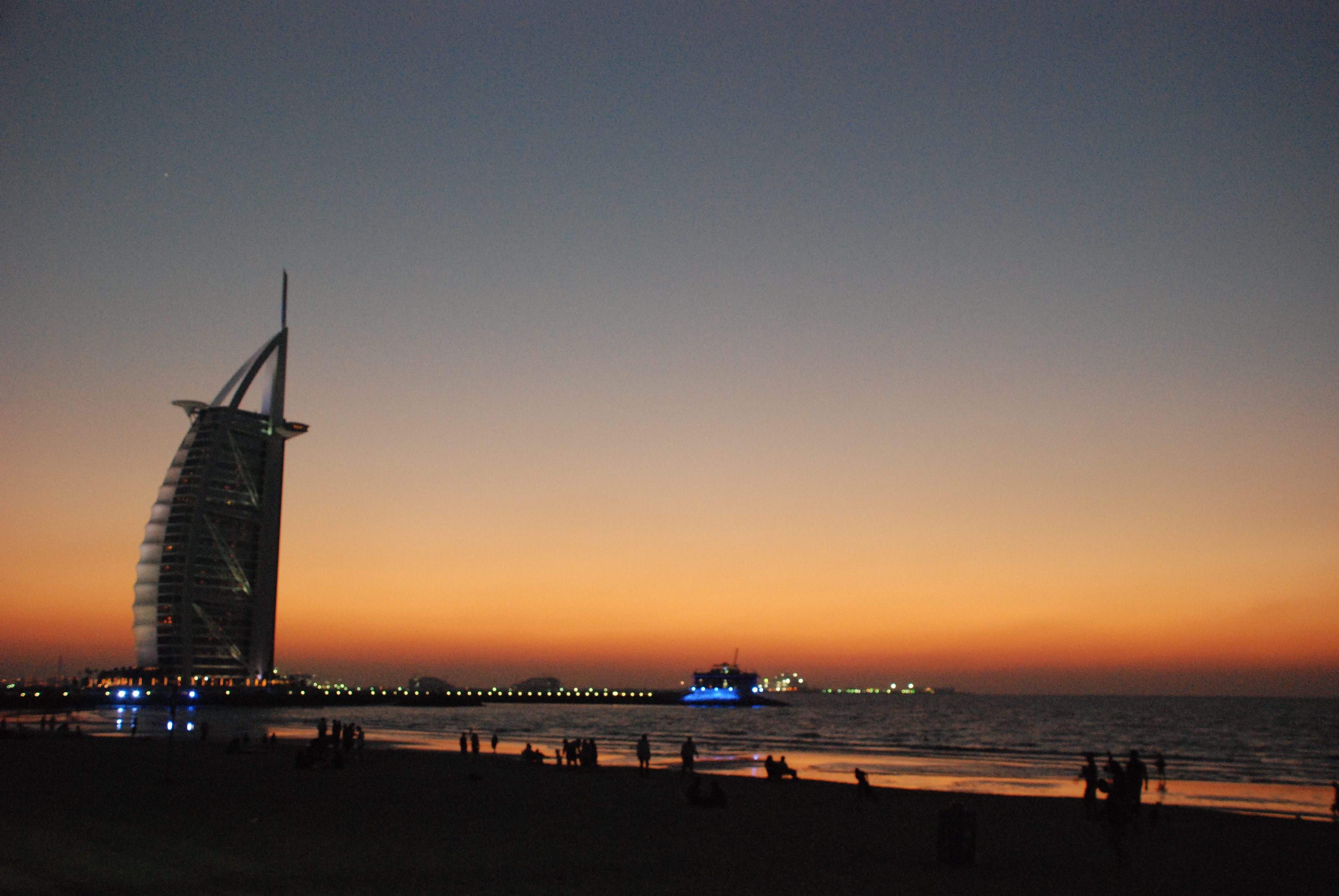
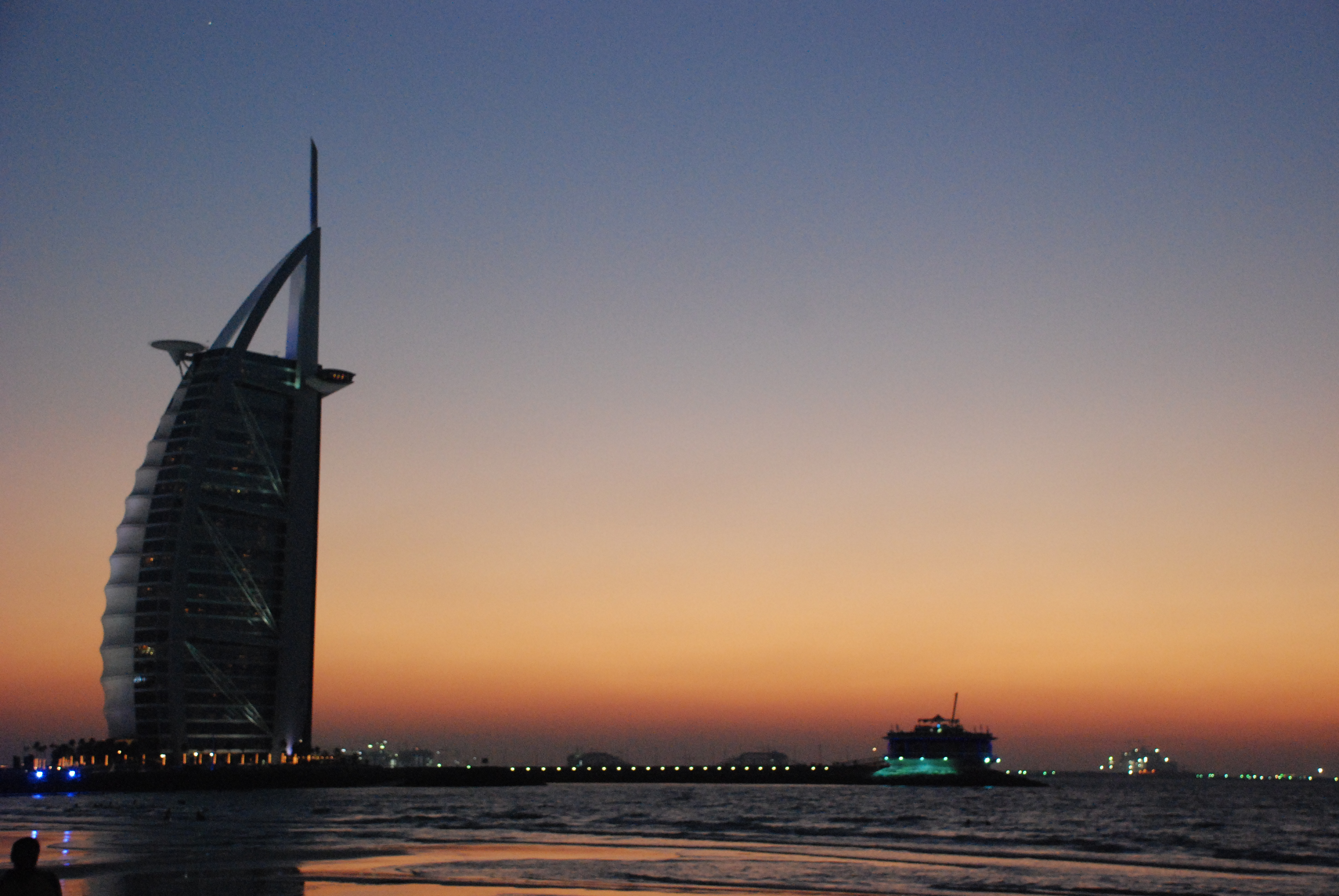
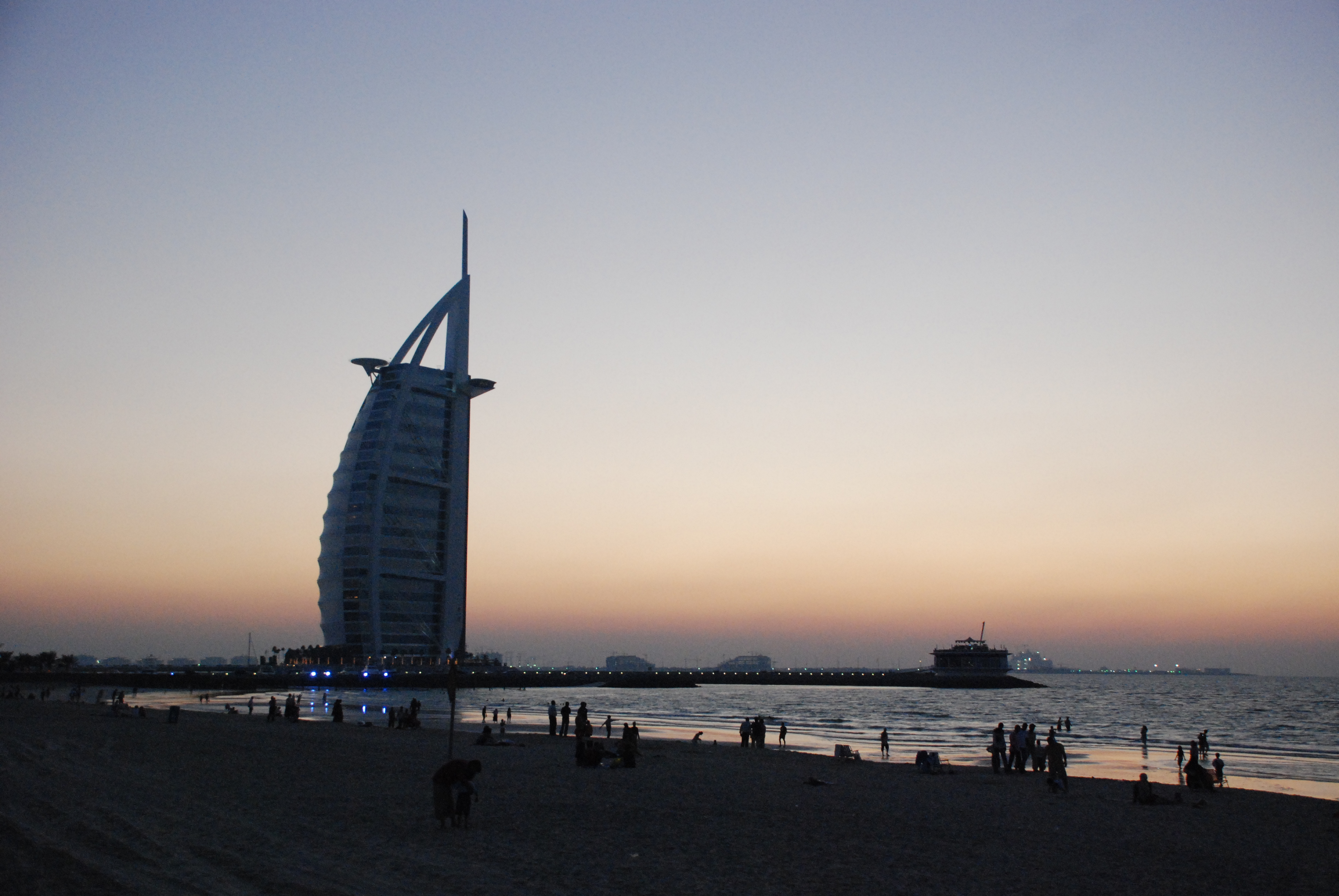
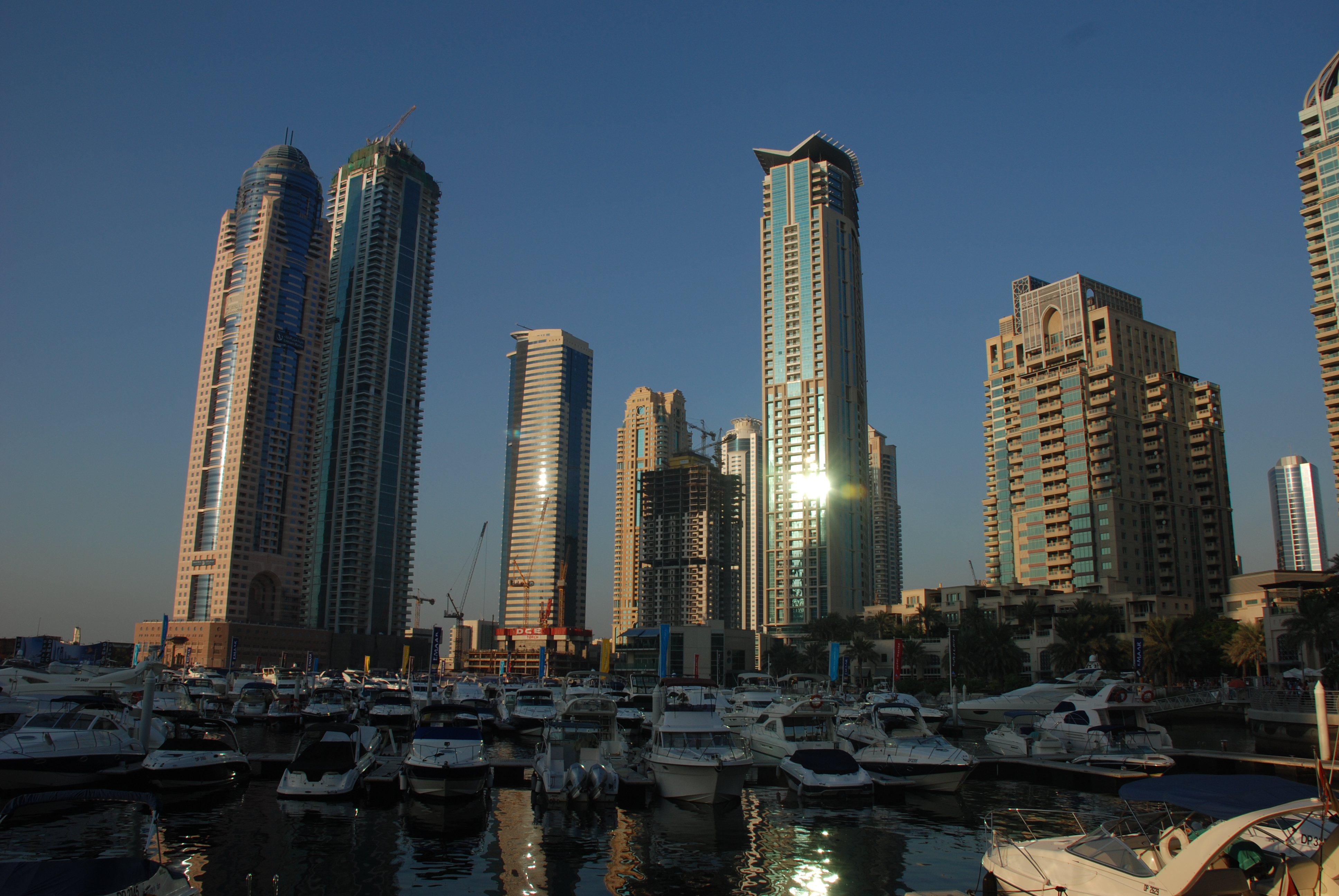
Gambari could have sent a signal that ASEAN was concerned. The new charter may not even get implemented. The pact will collapse if one country fails to ratify it. The Philippines has warned that its Congress would be hard-pressed to do so unless Myanmar upholds the charter's principles of democracy and human rights and releases pro-democracy leader Aung San Suu Kyi. A strong and welcome lead from Gloria Arroyo. Emirates slows Aussie expansion 20 November 2007 Emirates Airline today announced rather less ambitious expansion plans for the Australian market, announcing plans to boost its flights from 49 a week to 70 by the end of 2009. Despite being granted rights by the Australian Government to fly 70 flights a week by March 2009 the airline partly blamed the delay in delivery of the Airbus A380 for the delay to its plans to increase flights into Australia. Emirates said it would only start increasing flights in October next year, by adding a second daily service into Brisbane, using an A340-500. The airline already has rights to add the service. Emirates said it then planned to increase flights to Melbourne to three a day in February 2009, a year later than some expected. After confirming plans to start A380 services into Sydney and Melbourne in 2009, Emirates said it would start a third daily service into Sydney by late 2009. The increase in flights will cement Emirates as the second-largest foreign carrier in Australia by seats, slightly behind Singapore Airlines. After announcing last week that it will buy 120 Airbus A350s, 11 extra A380s and 12 Boeing 777-300ERs, Emirates is expected to have ample aircraft to serve the Australian market. Too much money 19 November 2007 It is all about money! Dubai will have the world's richest golf tournament. The European Golf Tour has announced the season ending Dubai World Championship, the world's richest tournament worth $10 million in prize money. This is simply too much money. Golf is getting too rich; and too expensive to play and watch. The European Tour announced plans on Monday for a season-ending tournament in Dubai from 2009. Offering $1.66 million for the winner, the first Dubai World Championship will take place from Nov. 19-22 2009 as a climax to the season. The Dubai World Championship will be held at Jumeirah Golf Estates. The Tour's Order of Merit will be renamed The Race to Dubai with a prize pool also of $10 million, and is expected to start in January from 2010 instead of late November on the current calendar. The first five years of the Tour's new partnership with Leisurecorp, the company developing Dubai's leading residential golf community, will also see the building of a new international headquarters for the European Tour's governing body and the creation of a global property company to develop new tournament venues around the world. The inaugural event will run on either the Fire or Earth course, both of which were designed by Greg Norman. The agreement signed between Leisurecorp and the European Tour includes an option to extend for a further five years. The Chairman of Leisurecorp is Sultan Ahmed bin Sulayem (chairman of Leisurecorp's parent company Dubai World). As with the current season-ending Volvo Masters at Valderrama in Spain, the Dubai World Championship will be restricted to the leading 60 players on the European money list. The money on offer exceeds what is currently on offer at the four major tournaments. The British Open is the richest of those at the moment at $8.6 million, with the Masters, U.S. Open and U.S. PGA all just under $7 million this year. Forbes' wasted opportunity 18 November 2007 Steve Forbes is the Editor-in-Chief of Forbes magazine. But his speech to the Leaders in Dubai conference in Dubai today was desperately short of both insight and originality. In the end he resorted to some cheap jibes at the IMF. It was a very poor start to the conference. He spoke on China in near glowing terms with barely a reference to the social cost of China's changes, to China's human rights abuses and to the lack of any form of democracy. He then failed to link the Chinese and Middle East economies in terms of comparisons or opportunities. He did with great arrogance assert that China and other countries which are watching their currencies plummet should entertain the idea of doing a one-time re-evaluation of their own money but should remain pegged to the American dollar. Forbes suggested that the UAE should “keep it (the currency) stable, keep it fixed.” He lambasted the International Monetary Fund (IMF) who he referred to as the IMF Barbarians for encouraging countries to devalue their dollar. The Asian economic crisis in the late 1990s can be blamed on the IMF, he said, which told countries such as Thailand to keep its currency values low. A simplistic analysis that denies any wrong doing on the part of the collapsed economies of Thailand. Korea and others. What should have been an interesting subject was a regurgitation of known facts, prejudices and generalisations. Insight. None. Papers say all is well as fog hits Dubai 17 November 2007 The usual misleading nonsense from the Gulf News. As the paper reports that a thick layer of fog blanketed Dubai on Saturday, reducing visibility to less than 50 metres in some areas. Visibility was reduced to less than 50 metres in some areas, the weather bureau said. At Dubai Airport, visibility was reduced to 300 metres but it did not affect flight operations. Oh really; well here are just a few examples from the airport last night: Ek 582 to Dhaka at 1.45am left at 5.26am EK 384 at 3.15am left at 6.47am EK 135 to Venice leaving at 9.45am will now leave at 13.45pm Fog occurs because the warm, moist winds from the Gulf come inland and remain there because there is no dry breeze from the mountains to push it back out to sea. ANd the airport does not have Cat III capability. So arrivals and departures are delayed. UAE extends no smoking ban 16 November 2007 New anti smoking regulations will be very welcome when they are introduced on Sunday 18th November. From that date restaurants and cafes have to become smoke-free unless thy have fulfilled specific requirements set by Dubai Municipality. If they want a smoking section they can, but it has to be approved by the Municipality and has to be installed with in certain rules governing ventilation, size and area. The Malls have been noticeably more pleasant since the September 16th smoking ban across all Dubai's shopping malls. Good news for non smokers like me. Emirates places biggest ever airline purchase 11 November 2007 Emirates Airline today placed the largest single order in airline history, worth $31.7 billion, for Airbus A380s and A350XWBs. A second order with Boeing for 777s brought the morning's total business up to $34.9 billion. The plan includes orders and options for 11 Airbus A380s, 120 A350XWBs and 12 Boeing 777s. The 93 firm orders (81 for Airbus, 12 for Boeing) alone are worth some $23.4 billion. Emirates now has a total order book of 246 aircraft, worth more than $60 billion. This is not the end of it said the airline. Emirates will buy more aircraft." The scale of Emirates' latest Airbus order is huge. The agreement covers firm orders for 50 A350-900s and 20 A350-1000s, plus 50 options for A350-900s. Emirates firmed up orders for eight A380s on which it had earlier signed Letters of Intent, but also placed another three firm orders to bring its A380 fleet up to 58. Emirates order for the A350XWB is a breakthrough for Airbus and a serious defeat for Boeing's. Boeing and General Electric have been unwilling or unable to develop the 787-10 version that Emirates feels its needs and in the completely revised A350XWB Emirates has found an aircraft that it likes. Boeing was forced to admit that it did not have the aircraft Emirates wanted at this time. The first A350XWB for Emirates will be delivered in 2014 and all will be powered by Rolls-Royce Trent XWB engines. On another day Boeing's $3.2 billion order for 12 GE90-powered 777-300ERs would have been a good result, but on this occasion is was a very poor consolation prize. Emirates continues to expand its 777 fleet and now has 100 jets in service or on order. The current operational fleet stands at 57 aircraft. Qatar Airways, meanwhile, ordered 27 Boeing 777 planes in part of its plan to double its 58-strong fleet to 110 aircraft by 2010. Saudi low-cast carrier National Air Service said it would buy 20 Airbus A320 aircraft. A day out in Dubai 11 November 2007 My sister's visit to Dubai was a good excuse for a day of sightseeing. Dubai in a day is actually quite feasible. We started on top of Falcon Tower for the 360 degree view around Business Bay, Sheik Zayeed Road and Jumeirah. The to the Dubai Creek Creek, and a visit to the textile, gold and spice souks. An abra trip gives the visitor a flavour of life on the Creek. Although the marsala tea shop had no tea! We then drove out to Dubai Marina to see the modern side of the city. Followed by a late visit to the beach by the Burj Al Arab just after the sun had set. Construction everywhere, traffic jams and no where to park is also a big part of the Dubai experience and yes we had all of those. Parking at the Madinat Jumeirah was simply impossible. So we ended up at the Mall of The Emirates and had dinner with Ski Dubai in the background!
Culture Clash 9 November 2007 Air Asia continues to grow at a remarkable pace and its growth has provided great career opportunities for young men and women in Malaysia and Thailand. However, the airline is facing an unusual opposition in its home country. Influential Malaysian Muslim women demanded on Friday a budget airline to swap its flight attendants' miniskirts for less revealing, more Islamic attire in keeping with the multi-faith country's dominant religion. Female delegates of the United Malays National Organization (UMNO), during a debate on Islam at the final day of its week-long annual meeting, zeroed in on AirAsia's stewardesses, saying their skirts should go down to the ankles. The 3.3-million-strong UMNO represents the country's dominant ethnic Malays, who are by definition Muslim. The delegates have stated that the uniform is too revealing and that since Malaysia is an Islamic nation they are ashamed of the AirAsia uniform. AirAsia's crew is made up of various races, including Malay Muslims who form just over half of Malaysia's 26 million people. An AirAsia spokeswoman said the uniform did not compromise the staff's national identity and that wearing this uniform does not make its staff less Malaysian. The Air Asia uniform is unlikely to change. The red skirt and jacket are well recognised and part of the airline's image. The airline has revolutionised flying in South East Asia but other changes in tradition and culture take longer. Royal Barge Procession honours the absent King 6 November 2007 Bangkok turned out in royal yellow yesterday for the 52 barges participating in procession that honoured the King's 80th birthday and marked the end of the Buddhist Lent. A rare and spectacular event the procession had an added poignancy this year due to the absence of the hospitalised King and a nation's concern for his health. The procession, involving 2,098 chanting oarsmen is one of the highlights of this year's celebrations for His Majesty the King, who has reigned for 60 years and will be 80 years old on December 5. The procession started from Vasukri Pier at Sam Sen and concluded at Wat Arun, the Temple of the Dawn. On the Suphannahongse Royal Barge was HRH Crown Prince Maha Vajiralongkorn, who took part in the procession on behalf of His Majesty the King. As the procession moved past Siriraj Hospital, where His Majesty and his elder sister HRH Princess Galyani Vadhana are receiving medical treatment, every barge paid respect to the revered royal members.
The aviation world is coming to Dubai 6 November 2007 Dubai may be small but it wields a huge influence over the aviation industry. Emirates, along with the smaller Abu Dhabi based Etihad and Qatar Airways, accounts for one in 20 of all Airbus and Boeing aircraft on order. More significantly these airlines are responsible for one in seven of the widebody oder list. These numbers will only increase as a result of expected announcements at the Dubai air show. In addition the region is becoming one of the most buoyant export markets for business jet manufacturers, as global corporations and high net worth locals increasingly charter or buy aircraft to fly into and around the region. The Dubai air show, held for the tenth time next week, has become a must-attend for the aerospace industry. With almost 900 exhibitors - from 200 16 years ago - the event vies with Singapore for the status of the third biggest air show in the world after Paris and Farnborough. The big order, of some $20 billion by Emirates is uncertain and unlikely to be announced during the five-day show starting from November 11. However, Boeing and Airbus are expecting to secure orders for 787 Dreamliners and A350 XWBs from other Gulf carriers including Qatar Airways, Etihad and Air Arabia. Over 140 aircraft and helicopters will be on display at the airshow, which runs from November 11-15 at the Airport Expo Dubai. The show will also feature 11 country pavilions. The event, which is expected to attract up to 40,000 trade visitors, will host new-to-market aircraft models ranging from strike fighters to trainers, from VIP business jets to heavy cargo carriers. This year's static display will boast its largest ever aircraft showing including regional debuts from the Cirrus SR22 G3, the Eclipse 500, the Dassault Falcon 7X, and the Sino Swearingen SJ30. The flying display will include the Russian MIG 29 multi-role fighter aircraft and the Lockheed Martin F-16. For Emirates the highlight will be the Airbus A380, adorned in the company's livery as it makes its return to the UAE. The flying display will feature performances by three of the world's top aerobatics display team — Britain's Red Arrows flying the BAE Systems' Hawk, the Patrouille de France in the Dassault/ Dornier AlphaJet, and Spain's Patrulla Aguila. The flying display is from 1.30pm to 4.30 pm on Monday to Friday. The show is open to trade visitors only. There are no public days. The indestructible Mr. Thaksin 2 November 2007 - from The Economist Like Arnold Schwarzenegger battling the indestructible, shape-shifting cyborg in “Terminator 2”, the generals who staged Thailand's coup in September 2006 keep blasting at Thaksin Shinawatra's party, Thai Rak Thai (TRT), only to see it recoalesce and keep chasing them. The party regrouped after the coup, despite the generals' hopes that it would crumble on losing power. Then, in May, a tribunal created by the junta ordered TRT's dissolution, barring Mr Thaksin and 110 other party officials from politics. However, it has simply morphed into a new group, the People's Power Party (PPP), with the same popular policies but a new front-man, Samak Sundaravej, a ferocious right-winger. Though some factions have abandoned the new party, it is still expected to win more seats than any other in the general election, to be held on December 23rd. At TRT's former headquarters, now the PPP's, Jakrapob Penkair, a party spokesman, sips hot chocolate from a cup emblazoned with the TRT logo, as he explains why they chose Mr Samak instead of a more emollient front-man: “We want a tough guy. Why not? It's a war!” That Mr Samak is an arch-royalist also helps, says Mr Jakrapob. The generals, also close to the palace, accuse Mr Thaksin of showing disrespect to the revered King Bhumibol. Having Mr Samak on board helps counter such smears. A third, unstated, reason is that the royalist Mr Samak is a rival of General Prem Tinsulanonda, the king's chief adviser and, say Thaksinites, the éminence grise behind the coup. A PPP win, followed by Mr Thaksin's vengeful return from exile in Britain, is the generals' worst nightmare. Would they let it happen? Korn Chatikavanij, a deputy leader of the Democrats—the second-largest party in the last elected parliament—reckons there would be no popular support for another coup. However, this might not stop hardliners from having a try. They have been attempting to scupper the election by whipping up a crisis over a dodgy land purchase by General Surayud Chulanont, the interim prime minister. Press criticism has forced the army to backtrack on other nefarious schemes, including a proposed law granting it sweeping powers in any future “emergency” of its own choosing. But it continues to do what it can to hobble the PPP's chances. It maintains martial law in many of Mr Thaksin's strongholds in the populous north-east (though this week it was lifted in some districts). The army claims its purpose is to suppress drugs-trafficking and illegal immigration. The PPP says the army has been using martial law as a cover for intimidating its canvassers. General Sonthi Boonyaratglin, who led the coup, has retired as army commander and quit the Council for National Security, as the junta calls itself. But, as he ponders entering politics, he has had himself made deputy prime minister with a brief of ensuring the election's fairness (sic). Mr Samak has produced a memo—apparently signed by General Sonthi and other junta leaders—discussing plans to undermine support for the PPP and promote army-approved candidates. So far, the council has not denied its authenticity. Having grabbed a big budget increase, the army could probably afford such a campaign. The election commission has been widely condemned for absurdly stringent new campaign rules, under which candidates risk disqualification for such trivial offences as playing music at their rallies or having posters that are not quite the approved size. This week it agreed to soften the rules. But it will only become clear after the election, when it decides on complaints, how harshly it will enforce them. The commission is ostensibly independent. But it is hard to avoid suspicions that the rules may be applied selectively to eliminate successful PPP candidates. A new constitution, narrowly passed in a recent referendum, reduces the number of lower-house seats from 500 to 480. The PPP is unlikely to get the crushing 375 seats its predecessor won in the 2005 elections but pundits reckon it could win 180 or more. The Democrats should improve on the 96 seats won in 2005. Mr Korn hopes their promises to continue some TRT policies, such as cheap health care, will win over more voters. Thitinan Pongsudhirak, a political scientist, says the PPP may come first but be forced into opposition, as the Democrats build a majority by allying with smaller parties. These are mostly an opportunistic rabble of old and new groups, some of which would be just as happy in alliance with the PPP. Two new groups that have gathered some momentum are Puea Pandin (the Motherland Party) and Ruam Jai Thai (Thai Unity), each a curious mixture of ex-Thaksinites and military hard-nuts. Until later this month, when candidates have to register, it will not be clear how many viable contestants each party has—some star politicians are said to be offering themselves to the highest bidder. Mr Korn argues that Democrat-led governments restored stability in the wake of the last coup, in the early 1990s (which had turned bloody) and after the 1997 Asian economic crisis. But a fractious coalition, struggling with a weak economy, and constantly harried by an angry PPP on the opposition benches, might soon collapse. Mr Thaksin and his party machine—providing they can maintain their air of invincibility—might be happy to let their foes self-destruct before returning, stronger and more determined than ever.
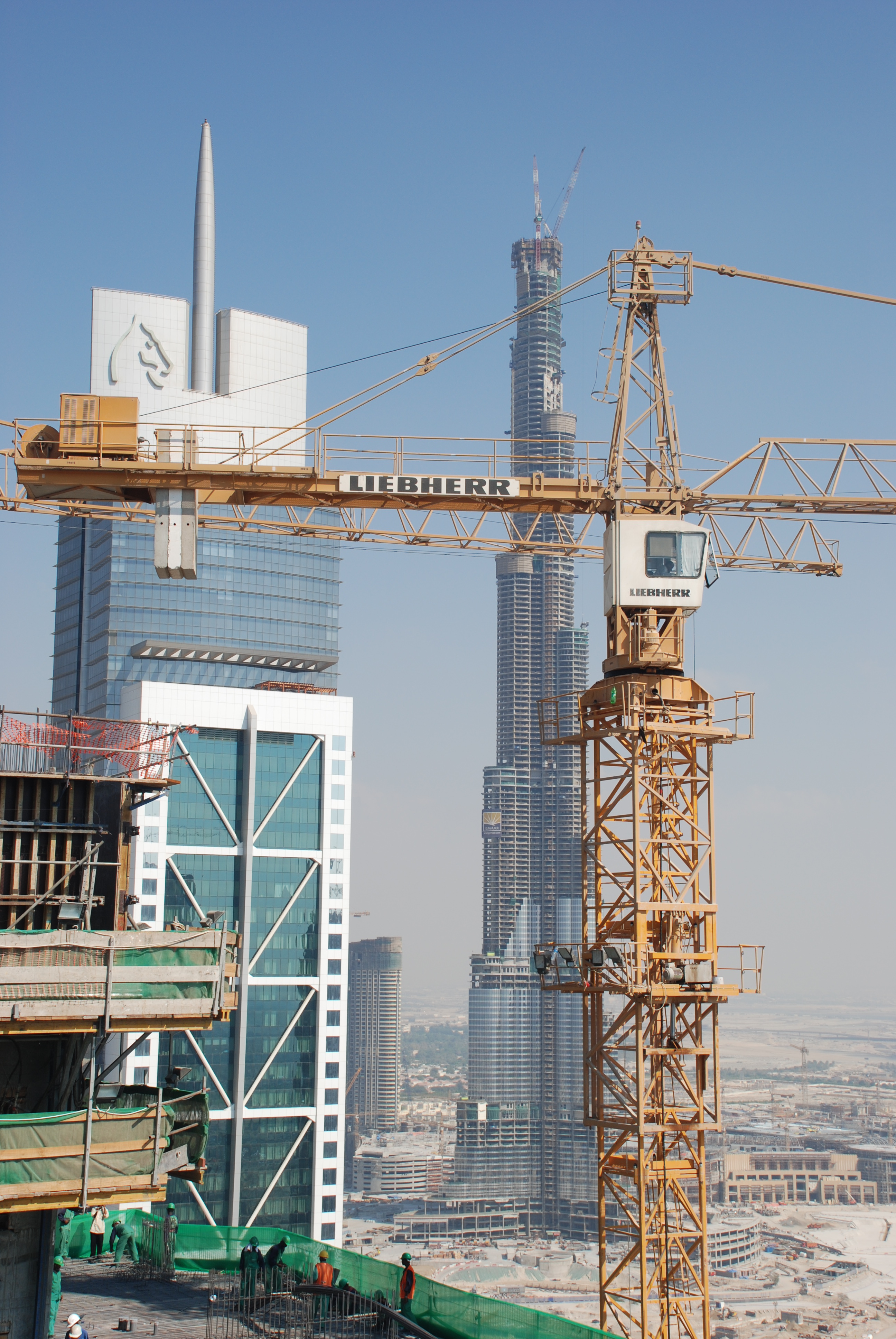
1 November 2007 - from Reuters DUBAI (Reuters) - Beyond the gleaming towers, busy highways and luxury villas of Dubai, hundreds of thousands of South Asian labourers who helped build them live in cramped and dusty industrial zones. Frustrated by low wages and long hours, construction workers in the Gulf Arab trade hub have long complained about the poor working conditions that lie behind Dubai's spectacular building boom. This week, those protests turned violent. "They turned over police cars, and the police showed up and they created problems with them," said an Egyptian labourer who declined to give his name. "They are asking for higher wages... They stopped working suddenly. They stopped cars. The police arrived to stop them from closing down the road and (they) assaulted the police. The police besieged the camp, and picked up ... workers and (charged them)." The Gulf News daily reported on Thursday that of some 5,000 workers were rounded up during the protests on Saturday, some 800 were still in custody. It quoted the police chief, Dahi Khalfan Tamim, as saying that workers involved in vandalising police vehicles and public property would be prosecuted. Dubai, one of seven emirates in the United Arab Emirates, has long faced criticism from international human rights groups who say it turns a blind eye to the non-payment of wages, lack of medical care and sub-standard housing for workers. Foreigners, including labourers and middle and high-income executives, comprise over 85 percent of the UAE's 4 million population. Labourers in coloured overalls can be seen toiling on the construction sites that dot Dubai, which has used cash from record oil prices to build ambitious developments including the world's tallest building and three palm-shaped islands as well as a man-made archipelago shaped like a map of the world. The government has revised the labour law in recent months to include requirements that employers pay for migrant workers' travel, employment permits, medical tests and health care. The government has also closed down some workers' camps that do not meet minimal health and safety standards in an effort to crack down on companies that abuse migrant workers. But in March, New York-based watchdog Human Rights Watch said a UAE draft labour law fell far short of international standards for the rights of workers. "The problem was the salary, because our salary (is) not very much," one Pakistani labourer said in broken English. "Not much ... maybe one ... hundred (dollars). So, this is a big problem." Some problems begin in the workers' home countries, where they are recruited with false promises of good pay to send home. Many are illiterate and cannot read the contracts they sign before they go. In Dubai, many labourers end up living in crowded rooms they share in camps run by their employers. Some have their passports held by employers to stop them running away. The United States, which is negotiating a free trade pact with the UAE, is pressing the Gulf Arab state to apply international standards to its workforce. But while the UAE has vowed to punish firms that do not pay employees on time or force them to live or work in poor conditions, labour unions remain illegal and protests can often end in deportation. "Some will be deported, the ones that made trouble will go back to their countries," another Egyptian worker said. "Those that are working and haven't caused any problems will be released from jail and return to work." Emirates vice chairman denies global warming 1 November 2007 Emirates Vice - Chairman Maurice Flanagan is prone to speaking first and thinking later. His out of touch observations in Singapore on global warming are self serving and based on all the available evidence, wrong. AFP reported from Singapore that Flanagan rubbished Nobel Peace Prize winner Al Gore's Oscar-winning documentary on climate change, saying he did not believe the film's scientific theory on global warming. "Don't talk to me about global warming... I just do not buy it whatsoever," he said at a regional aviation conference (CAPA) in Singapore. "Al Gore's 'Inconvenient Truth' is absolute rubbish," added Flanagan, who said he had watched the documentary three times. The 2006 documentary, which won former US vice president Gore the Nobel Peace Prize last month, details scientific theory about global warming and its impact. The aviation industry has been listed by some as among the main contributors of carbon dioxide emissions which are blamed for global warming.
|